Categories | News & Politics Article

Zelle Scammers are Prevalent But Banks Aren't Reacting
March 9th, 2022 News & Politics 4 minute read
Article Image

Zelle Scammers are Prevalent But Banks Aren't Reacting

Zelle is a payment platform used by many banks to allow users to transfer money between accounts, much like Venmo and Cash App.  Many customers prefer to use these platforms as an easy way to pay for services rendered or to transfer funds between family and friends without having to carry a card or cash in their wallets. The platforms are user-friendly and easy to use.However, according to multiple reports, Zelle has been a target for scammers impersonating themselves as financial advisors, bank representatives and other professionals for which transferring money would be commonly accepted.  Instead of using traditional methods for ensuring user accounts are funded, Zelle allows customers to do so immediately.And perhaps the worst part about the Zelle scheme is that banks aren’t backing their customers complaining of being defrauded, sometimes of hundreds or even thousands of dollars.  In other words, reporting stolen money transferred over Zelle doesn’t guarantee that the those duped will be given an opportunity to recover their losses.

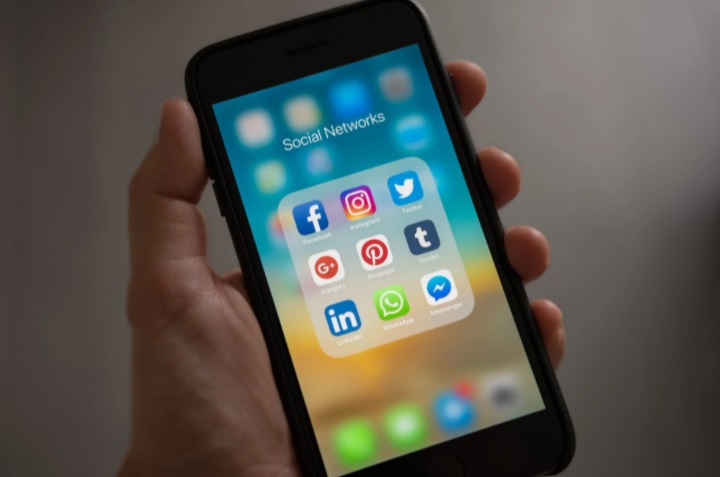
Zelle Scammers are Prevalent But Banks Aren't ReactingPhoto by Tyler Lastovich from Pexels

According to recent data, to date, customers have sent nearly $500 billion through Zelle over the past year, more than double that of its rival, Venmo.  The same data suggests that almost 18 million Americans were defrauded through the platform in 2020.  Scam artists love to use instant transfer methods because the money is often untraceable.“Organized crime is rampant,” said John Buzzard, Javelin’s lead fraud analyst. “A couple years ago, we were just starting to talk about it” on apps like Zelle and Venmo.  Now, it’s common and everywhere.”Banks are also apparently aware of the widespread abuse, but there is still little recourse or those targeted.  Because Zelle is essentially a third-party service, it is unclear who is responsible for paying customers back and most banks have determined the responsibility isn’t theirs.“It’s like the banks have colluded with the sleazebags on the street to be able to steal,” said Bruce Barth, a scam victim.  In 2020, Barth was hospitalized with Covid-19 and his phone was taken from his room.  Three Zelle transfers from Bank of America totaling $2,500 appeared in his account sooner after.  He filed grievances in an attempt to recover the stolen money and was refunded, although Bank of America denied that the charges were, in fact, fraudulent at all.“I filed grievances with every agency I could get my hands on, locally and nationally,” he said. “Every response I got was useless.”Peter Tapling, a former executive at Early Warning added that, “Banks haven’t done enough to educate customers about the risks of Zelle.  Don’t hit the button to send this money unless you would hand this person $100 and walk away, because the moment you send it, it’s gone.”Julia Gibson, another Zelle customer, lost $2,500 to a similar scam in October 2021 but the bank ultimately determined that the charges made were authorized and, therefore, she would not be refunded.“What was so frustrating about this whole thing was that the customer service rep I talked to told me so many people had been experiencing this,” Gibson said.Tia Elbaum, a Consumer Fraud Protection Bureau agency spokesperson, has submitted a statement indicating, “The CFPB is aware of the problem and considering how best to address it.”  In the meantime, customers remain vulnerable to those eager to exploit the platform for personal gain.

Sources:

Fraud Is Flourishing on Zelle. The Banks Say It’s Not Their Problem.Fraud is being ignored on Zelle by its big banking founders

Sara E. Teller

About Sara E. Teller

Sara is a credited freelance writer, editor, contributor, and essayist, as well as a novelist and poet with nearly twenty years of experience. A seasoned publishing professional, she's worked for newspapers, magazines and book publishers in content digitization, editorial, acquisitions and intellectual property. Sara has been an invited speaker at a Careers in Publishing & Authorship event at Michigan State University and a Reading and Writing Instructor at Sylvan Learning Center. She has an MBA degree with a concentration in Marketing and an MA in Clinical Mental Health Counseling, graduating with a 4.2/4.0 GPA. She is also a member of Chi Sigma Iota and a 2020 recipient of the Donald D. Davis scholarship recognizing social responsibility. Sara is certified in children's book writing, HTML coding and social media marketing. Her fifth book, PTSD: Healing from the Inside Out, was released in September 2019 and is available on Amazon. You can find her others books there, too, including Narcissistic Abuse: A Survival Guide, released in December 2017.

Related Articles