
Your Comprehensive Guide to Dealing with a Car Accident
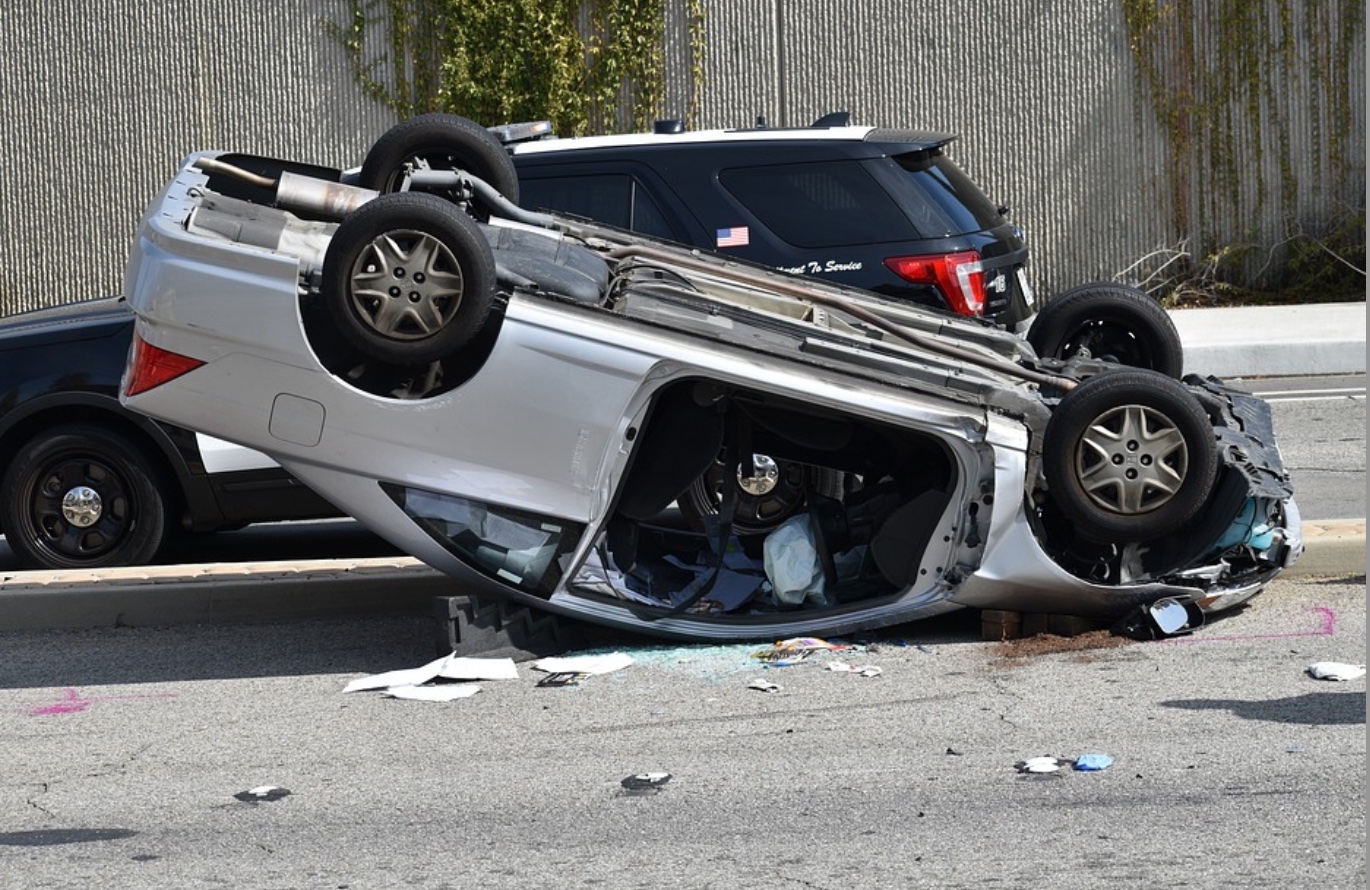
Your Comprehensive Guide to Dealing with a Car Accident
An unexpected and often traumatic car accident can leave individuals in a whirlwind of emotions, questions, and uncertainties. From immediate safety concerns to the intricacies of insurance claims and potential legal battles, knowing how to handle the aftermath can be immensely beneficial. This guide provides a structured approach to navigating the multifaceted challenges of car accidents.1. Immediate Safety FirstPost-accident scenes can be chaotic, with high emotions and potential dangers lurking. Your initial focus should undoubtedly be on ensuring the safety of all individuals involved. Before assessing damage or conversing with others, check for injuries and call for medical assistance if needed. If it's safe to do so, vehicles should be moved away from active traffic lanes to minimize the risk of secondary collisions. During this process, it's crucial to activate hazard lights and, if available, set up safety triangles or cones to alert oncoming traffic, ensuring vehicular and pedestrian safety.2. Contacting Relevant AuthoritiesIn most jurisdictions, reporting significant accidents, particularly those resulting in injuries or substantial property damage, is mandatory. Contacting the police fulfills this legal requirement and ensures an official record of the incident, which can be invaluable in any subsequent legal or insurance proceedings. When there are injuries, even minor, it's crucial to call emergency medical services immediately. Some injuries cannot manifest symptoms immediately, but prompt medical attention can prevent complications. Apart from the legal and medical implications, a formal report also aids in objectively documenting events, providing clarity to all parties involved.3. Collection of Critical InformationWhile the scene is still fresh, gathering essential information is imperative to ensure a comprehensive record of the event. This includes collecting all parties' names, contact details, license plate numbers, and insurance information. Eyewitnesses can offer unbiased perspectives, so obtaining their accounts and contact details can be invaluable in potential disputes or legal proceedings. Use a camera or smartphone to document the scene meticulously. Photographs should capture vehicle positions, visible damages, road conditions, traffic signals, skid marks, and any other pertinent details that might provide context or support claims in the future.4. Medical Attention: Immediate and Follow-up
 Photo by Andrea Piacquadio from Pexels

About Miranda Spears
Miranda Spears is a Texas native who, after graduating from the University of Texas at Austin, spends her time as a freelance writer. When not writing, Miranda enjoys horseback riding, shopping, trying new recipes, and spending time with her lovely little pug, Gizmo.