Working in an Accident-Prone Job? Here’s What You Should Know
Working in an Accident-Prone Job? Here’s What You Should Know
It would be safe to surmise that most workers do not go to work every day thinking they will be injured at work. Accidents happen often even in the best of circumstances. Workplace accidents can and do occur despite safety protocols, and the consequences are sometimes life-changing, or in worst-case scenarios fatal. While some industries such as construction are associated with higher on-the-job risks, an occupation-related incident can happen anywhere at any time.Virtually every job entails some type of occupational risk for injury, although this will vary greatly across jobs and individual workers. In North America, some heavy labor and high-risk industries have been outsourced to geographical regions where both labor and production costs are lower, and occupational safety requirements are less rigorous, reducing some of the risks faced by the American workforce. Nonetheless, they do happen and can exact a high cost for both workers and employers when involved.Workplace FatalitiesThe U.S. Bureau of Labor Statistics reported that in pre-Covid 2019, there were 5,333 occupational fatalities, accounting for the highest number of deaths on the job since 2007. While workplace fatalities can be attributed to fires, exposure to toxic substances, overdoses, suicides, slips, and falls, the greatest number were due to transportation accidents. Over 40% of occupational deaths were directly connected to transportation with motor vehicle accidents named as the leading cause. Other reasons for workplace deaths included falls at 17%, 12% toxic chemical exposure, and being struck by equipment, materials, or objects at 14%.The two industries that accounted for the highest number of fatalities were the construction industry with 1061 deaths and the transportation industry with 913 deaths. So, the numbers speak for themselves, and they paint a grim picture.Accident-Prone JobsMost people would indicate work injuries as endemic to the high-risk sectors where physically demanding jobs, such as in construction or manufacturing, are the mainstay. This may be true at first glance, but high-risk employees generally have the benefit of safety training, protective equipment, and emergency procedures, that other sectors probably do not have in place. Transportation-Related Accidents and InjuriesTransportation-related injuries for workers using company-owned vehicles account for numerous occupational injuries as well as damage to company property during working hours. Worker drivers not only have a risk of injury when involved in an accident but also how long does an accident stay on your record if driving for work. Collision and liability insurance together with comprehensive coverage is a must for business vehicles to protect workers and property considering the accident-prone nature of driving professionally. Certain other job sectors may be low risk, but they are not immune. So, it’s important to remember that employers, regardless of the type of work they require, must comply with OSHA safety regulations or risk being fined.Avoiding Occupational AccidentsOften avoiding an accident is a question of using common sense and complying with specific safety requirements. Even so, human error is, more often than not, a contributing factor. Safety needs to be front and center in any work situation and cannot, nor should be sacrificed for deadlines or profit margins. So, what should you keep in mind if working in an accident-prone workplace?
Have a Plan and Provide Training
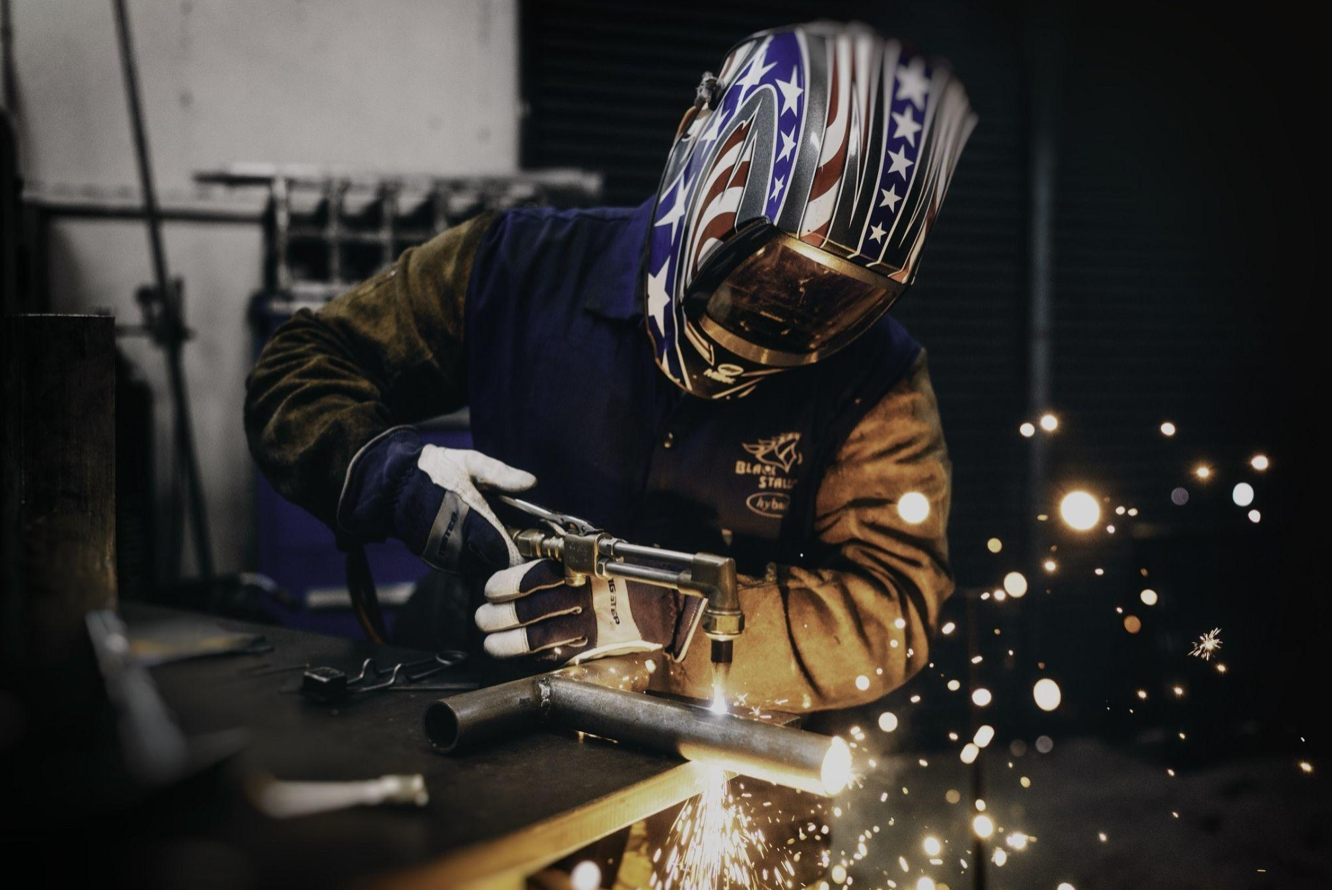
 Image by ThisisEngineering RAEng, via Unsplash.com.
Provide the Necessary Equipment, Including PPE
Abstain From Using Shortcuts
Identify Vulnerabilities
Keep Equipment Maintenance Up to Date
Report of Accidents and Incidents
Maintain Order and Cleanliness and Highlight Safety Procedures
Monitor Safety Effectiveness

About Howie Robleza
A freelance writer interested in tech, legal and property trends. When she's not writing, she works in hotel management.