Wonder Why More People Don't Speak Up?
Wonder Why More People Don't Speak Up?
The effects of the Harvey Weinstein story continue to ripple throughout the internet. Weinstein is the Hollywood starmaker and producer who also stands accused of predatory sexual behavior by dozens of people in a position to know. Last week's iteration of the decade-old “Me Too” meme, which once again brought to the fore the staggering number of women (and, of course, some men) who have been subject to sexual harassment and assault, also inspired a number of people to wonder why more people don't speak up about their lived experiences. Why, indeed?The first reason why more people don't speak up is the fear of backlash. Harvey Weinstein's accusers didn't just fall off the turnip truck, you know. The news cycle periodically names the names of (almost always) men about whom whispered hints and rumors have circulated for years. Mike Tyson, Bill Cosby, Larry Nassar, Donald Trump, the list could go on and on, but lacking one large revelation or undeniable cause which brings a sea change in public acceptance, the women know they're up against a culture that glorifies big men and a Greek chorus of pundits who will, in turn, accuse them of engaging in the worst kind of anti-establishment witch hunt. As if on cue, the first to speak are vilified and framed as deluded. It takes a critical mass of credible accusations for the matter to be taken seriously.Related to the way our culture tends to believe powerful men in lieu of their accusers is the anemic protections offered (or, rather, not offered) to those who report abuse at the hands of the established. In the Weinstein case, if you wonder why more people don't speak up, think about the difference between employees and contractors. As temp workers, day laborers, freelancers, and other non-employees are tapped by those looking for scalable workforces without the commitment of hiring full-time employees in an economic race to the bottom, they are working without the same kinds of legal protections. Federal laws that protect traditional employees from harassment and discrimination often do not apply, for example, to the actresses who performed in Weinstein's films. Being blacklisted from your industry is the death of your career. Speaking truth to power is a whole lot scarier without backup.Other reasons why more people don't speak up are more legal than cultural. The National Labor Relations Act forbids employers from silencing employees' complaints about work-related incidents of sexual harassment or discrimination. At the same time, many employers attempt to skirt the law by offering work contingent upon signing contracts with non-disparagement clauses. Title VII of the Civil Rights Act renders invalid any settlement agreements that prohibit employees from engaging with the Equal Employment Opportunity Commission (EEOC) to investigate workplace harassment. However, not every employee is a careful and thorough student of their own legal rights, and knowing you've signed a contract agreeing to not speak badly about an employer or company in public can be awfully intimidating.
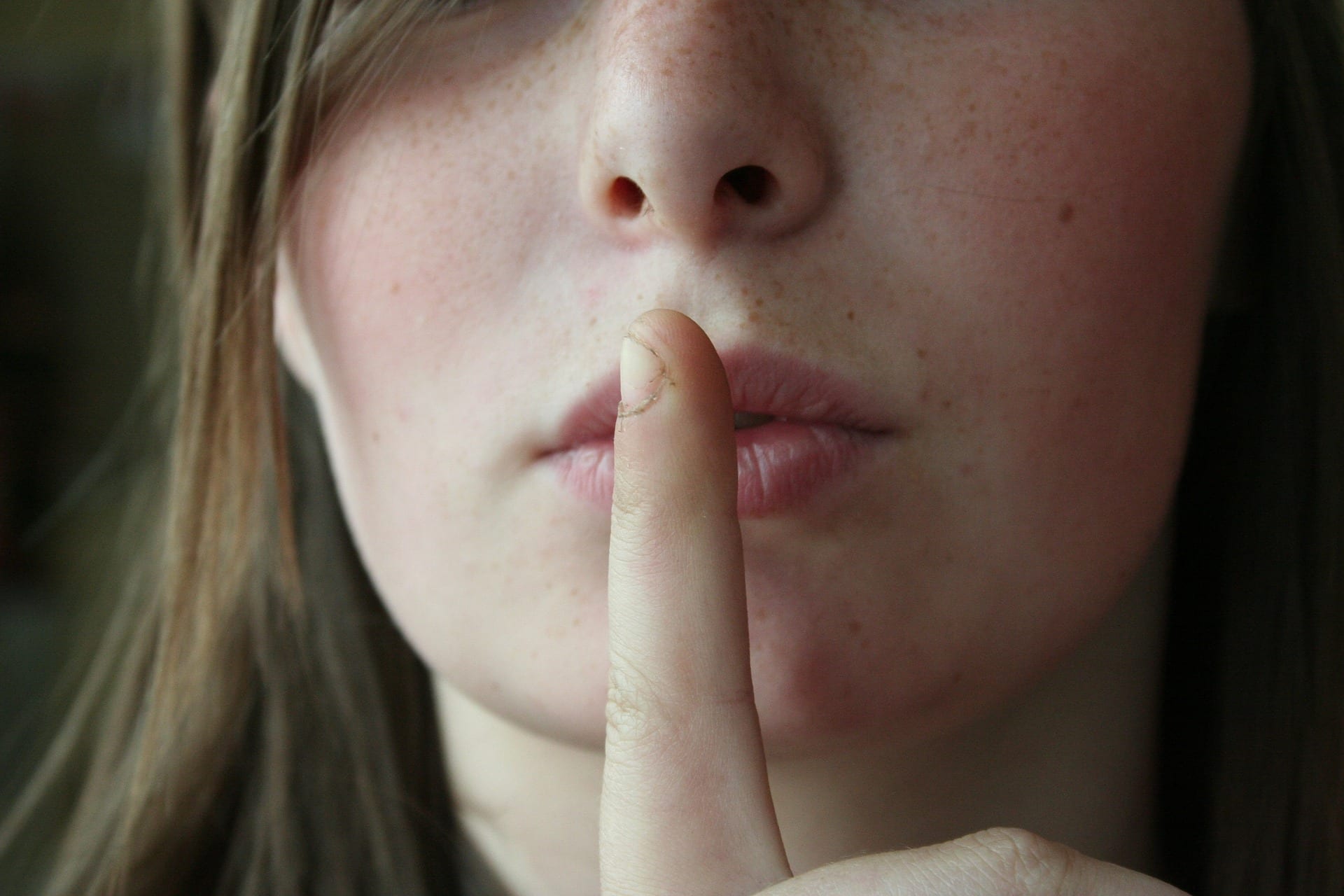
 Public domain image by surdumihail, courtesy of Pixabay.com.
Sources:
The Harvey Weinstein Scandal: All of the Hollywood Figures Who Have Spoken Out Against Movie Mogul
The #MeToo movement was actually launched over 10 years ago, by a black activist
‘I knew what the cost would be’: Why sexual assault victims stay silent
How Did ‘Witch Hunt’ Become the Complaint of the Powerful?
Actresses—and Millions of Other Workers—Have No Federal Sexual-Harassment Protections
How Legal Agreements Can Silence Victims of Workplace Sexual Assault
#MeToo Highlights the Disturbing Prevalence of Sexual Harassment and Assault
21 Hashtags That Changed The Way We Talk About Feminism
About Dawn Allen
Dawn Allen is a freelance writer and editor who is passionate about sustainability, political economy, gardening, traditional craftwork, and simple living. She and her husband are currently renovating a rural homestead in southeastern Michigan.