
When the Chips are Down
When the Chips are Down
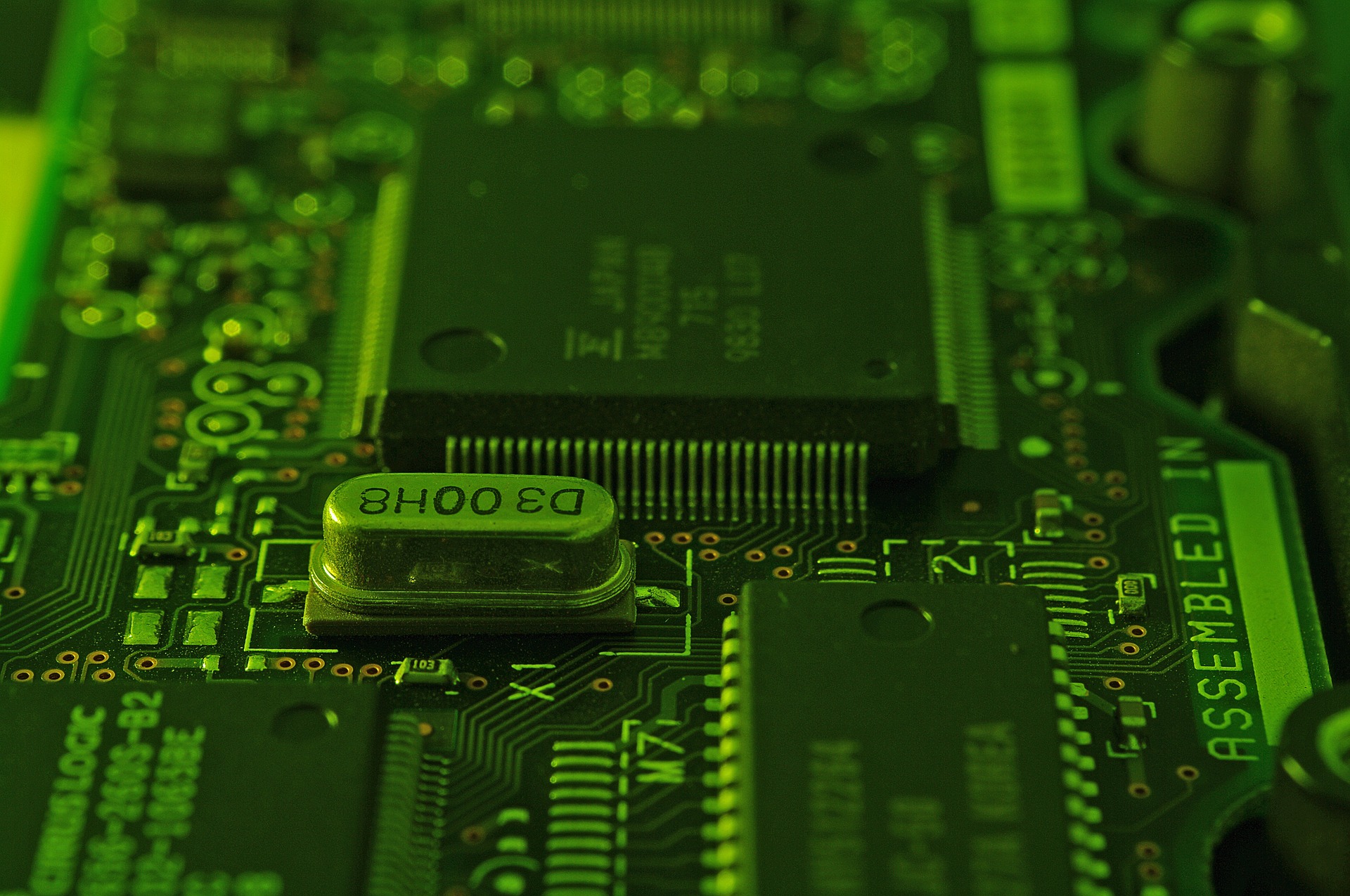
Look around. How many chip-using devices can you spot? There's the one you're using to read this, of course, but chances are, there are more chips involved in modern life than you imagine, from smart refrigerators and wind turbines to sex toys and the chips that help identify lost pets.Computer chips are not only ubiquitous, they've become a critical national security issue. Last Thursday, after months of negotiating, Congress passed the CHIPS and Science Act and handed it off for President Biden's signature. The legislation fills the pockets of chip manufacturers with $52 billion in subsidies to encourage them to bring factories back to the United States, eventually shortening supply chains and, ideally, insuring a more plentiful domestic source of chips for consumer products and national defense over the next several years.To understand why the government is paying chip manufacturers to come home, it's worth considering why they went overseas in the first place.Making them is difficult, exacting, and resource-intensive. The main ingredient, silicon, is derived from high-silica sand, which is hard to purify and refine. The manufacturing process also requires vast amounts of energy and water, both of which are becoming problematic. The world's largest chipmaker, Taiwan Semiconductor Manufacturing Company, consumes about 5% of Taiwan's total electricity output, and used 63 million tons of water across their facilities in 2019. While they were able to recycle some of the water, and conserved 3.6 million tons more than the year before, it's hard to justify during a drought that caused Taiwan to forego irrigating 183,000 acres of farmland and cut off water supplies two days every week in some areas. With record dry conditions in the western United States, water restrictions might force a choice between chip manufacturing and growing food, too.
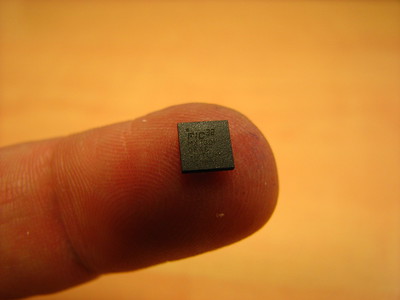 Photo by fdecomite, via Flickr. CC BY 2.0
Sources:
CHIPS Act clears Congress, ensuring $52 billion boost to US foundries
The computer chip industry has a dirty climate secret
Drought in Taiwan Pits Chip Makers Against Farmers
The US produces just 12% of the world's computer chip supply. Here's why it's trailing China when it comes to manufacturing and how it plans to get ahead.
Science Is Getting Less Bang for Its Buck
The CHIPS Act won’t solve the chip shortage
America takes on China with a giant microchips bill
The US Needs to Get Back in the Business of Making Chips
America takes on China with a giant microchips bill
The CHIPS Act Is Corporate Welfare Disguised as Industrial Policy
Russians are using semiconductors from kitchen appliances in military equipment, says U.S. commerce secretary
Climate and the collapse of world order

About Dawn Allen
Dawn Allen is a freelance writer and editor who is passionate about sustainability, political economy, gardening, traditional craftwork, and simple living. She and her husband are currently renovating a rural homestead in southeastern Michigan.