
What to Know About Comparative Negligence After a Pennsylvania Car Accident
What to Know About Comparative Negligence After a Pennsylvania Car Accident
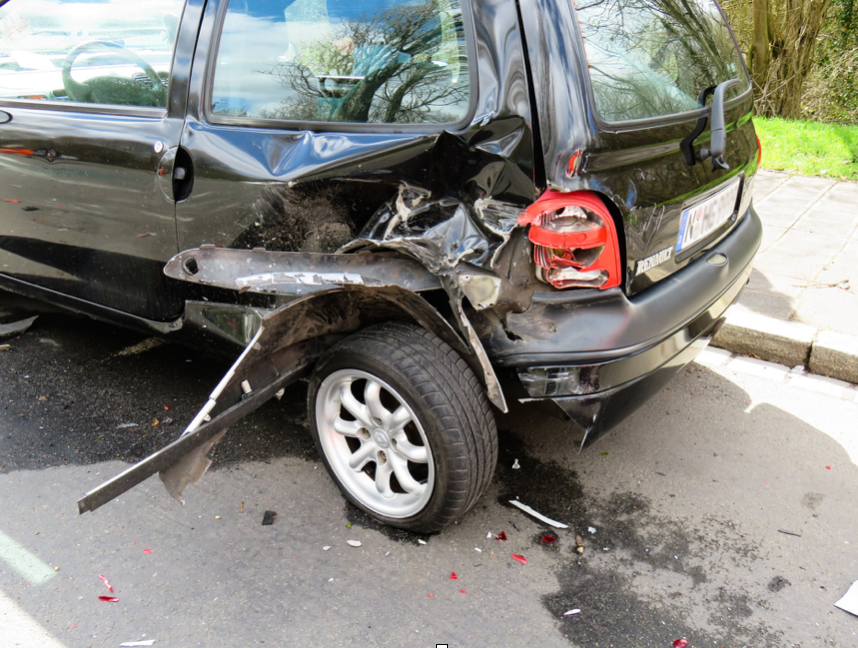
Car accidents are sometimes simple affairs. When the other driver is entirely at fault in an accident, the ultimate result is fairly predictable. For example, a texting driver slams into a vehicle was stopped at a traffic light. While an injured driver will still have to establish that the other driver was legally negligent, the outcome will likely be that the at-fault driver, through their insurance carrier, will compensate the injured driver and passengers for their medical expenses, lost income, and other damages suffered because of the accident.Unfortunately, many car accidents cases are not as straightforward. In some situations, multiple parties could have played a role in the crash, including those injured in the accident. Even when only two vehicles are involved, each driver could have contributed to the crash. Pennsylvania follows a “modified comparative fault” rule to address these specific situations.One of the first things you should do if you are in a car accident is talk with an experienced Allentown car accident lawyer. Even if it appears that another driver was completely to blame, they or their insurance provider could attempt to shift the blame onto you. If you are also found to be at fault, it could significantly lower your compensation or prohibit you from receiving any at all. Understanding how comparative negligence works is essential when negotiating an insurance settlement or preparing a case for court.Modified Comparative Fault in PennsylvaniaUnder a pure comparative fault system, all parties' conduct would be taken into consideration when determining the cause of an accident. For example, in a multi-vehicle accident, one driver could be found to be 5% at fault, while two other drivers could be held to have been 45% and 50% to blame, respectively. Under a pure comparative fault theory, each injured driver is entitled to be compensated according to their percentage of fault.Pennsylvania follows a modified comparative fault rule. Therefore, your compensation would be severely impacted by your level of fault. More importantly, if you are found to have been more than 50% to blame for an accident, you will be prohibited from receiving any monetary award.In a Pennsylvania car accident lawsuit, the jury will be charged with determining two things based on the evidence presented at trial. First, the jury will be asked to calculate a dollar figure representing the plaintiff’s total damages suffered. Next, the jury will be required to assign a percentage of blame to each party involved in the accident. Under the modified comparative fault model, a plaintiff’s compensation will be reduced by their percentage of fault.
 Photo by Vidal Balielo Jr. from Pexels
About Jeffrey Reiff
Jeffrey Reiff, the founding attorney at the Reiff Law Firm, has been a personal injury lawyer in Philadelphia since 1979. His firm has helped clients recover over a quarter of a billion dollars to date, and he is licensed in Pennsylvania, New Jersey, and New York.