
What Happens if Your Criminal Trial is Suspended Due to a Pandemic?
What Happens if Your Criminal Trial is Suspended Due to a Pandemic?
Among different industries and institutions around the globe, daily operations have been suspended due to COVID-19. Trials are being postponed out of concern that in-person hearings may allow the virus to spread. Since a pandemic has not happened for nearly 100 years, there are few rules in place to anticipate such an event. The court system has been struggling to adapt to the new regulations. In light of this, thousands of trials have been suspended. But what does this mean for those who are awaiting their court cases?It can be confusing to understand the charges that are placed against an individual; there are different types of criminal fraud, from money laundering to tax evasion. Regardless of the criminal charges that someone is accused of, they still need a fair trial. These delays violate the Sixth Amendment, known as the Speedy Trial Act, which promises citizens a fair and quick trial. If a criminal case is not resolved within a set time frame (usually 30 days), it can result in the case being dismissed. Other laws state that citizens should not face unnecessary delays concerning criminal cases. Due to the pandemic, both of these federal laws have been violated. Juries are suspending these deadlines but this comes at the cost of keeping accused persons in jail with no end in sight. The right to a speedy trial has been bypassed and no longer applies during the pandemic, which infringes on the rights of those with criminal cases.Keeping accused persons in jail while their trials are suspended may, inadvertently, worsen the pandemic. Hearings are being postponed to maintain physical distancing, which results in a greater jail population as many people await their trails. More people kept in cells can amplify the spread of COVID-19. Attempts to contain the spread of the virus by delaying trials may actually worsen it. It makes the right to a speedy trial more important than ever - unfortunately, many are being denied this right, and it’s uncertain when it will be reinstated. To reduce the spread of the virus, different jurisdictions are holding audio conferences or video conferences in place of courthouse trials. These guarantee the safety of all participants involved. If your court case has been suspended, then it may have to take place via the Internet. This brings unique challenges when judging a case. Improper lighting can make a person look inhumane, and a poor Internet connection can interfere with their defense. Audio calls make reading body language impossible - this poses several challenges for defense lawyers who want to communicate with their clients. How can they speak to them privately when the judge, attorney, criminal lawyer, and defendant are all on the same call?
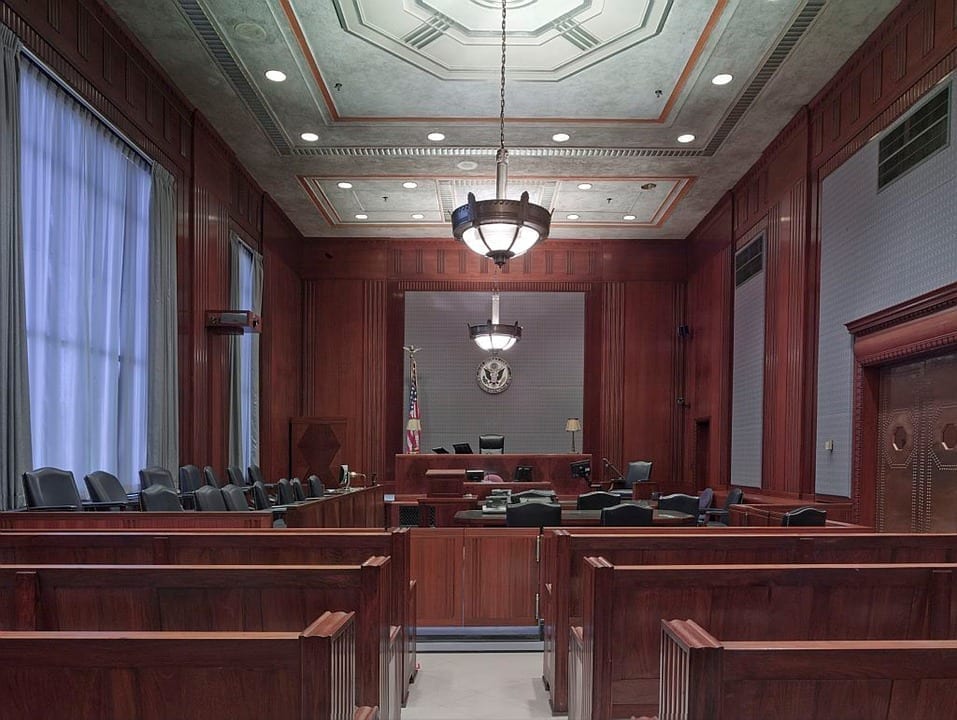
 Jail cell; image by Ichigo121212, via Pixaby, CC0.
About Adrian Martinez
Adrian is a blogging enthusiast and part-time content manager. She loves applying her knowledge of writing and law to new content pieces. Some of her favourite pieces can be found on Matt Gould’s website.