
What Are the Environmental Benefits of Planting Multi-Stem Trees?
What Are the Environmental Benefits of Planting Multi-Stem Trees?
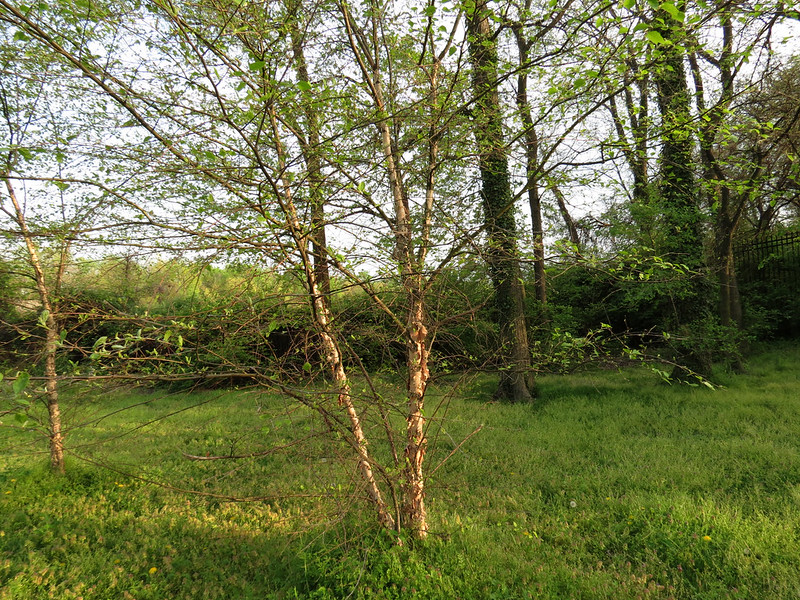
Trees are robust and loyal soldiers that vigilantly play their part in combating ever-increasing pollution. However, with time, even these fierce soldiers have suffered the long-term effects of rampant global pollution. Multi-stem trees have emerged as a viable option to combat this peculiar situation, as the enhanced advantage of multi-stems makes these trees more adaptable and effective compared to their counterparts. However, there is still a large section of society that is unaware of the advantages of planting multi-stem trees. Therefore, this comprehensive guide is going to explore eight environmental benefits of planting a multi-stem tree.1. Aesthetic AppealThe visual allure of multi-stem trees, including the captivating multi-stem birch, is evidence of their unique and beautiful appearance. In contrast to single-stem trees, multi-stemmed trees display a branching design that initiates near the ground, giving rise to numerous stems. Additionally, multiple stems impart a feeling of intricacy and variety to the tree’s shape. Each stem extends outward, constructing a network of stems and boughs that interlace in a visually absorbing manner. This elaborate arrangement captivates the interest of casual onlookers and tree specialists alike. It beckons for a more intimate examination, drawing individuals to appreciate the tree’s innate architecture.2. Adaptability One of the outstanding attributes of multi-stem trees is their capacity to prosper in demanding circumstances. They have demonstrated an admirable resistance to diverse pressures, encompassing substandard soil conditions and metropolitan contamination. Their innate flexibility enables them to bloom when alternative trees face difficulties. This renders them especially fitting for city settings, where soil quality and air conditions may be less than optimal.According to a study, the multi-stemmed habit in trees is an important characteristic, especially in lowland dry areas, where stem abundance is related to stem turnover, a suite of physiological traits related to photosynthesis, and aboveground carbon pools. 3. Improved Stability and DurabilityThe trees resist storms and winds since the multiple trunks ensure a lower center of gravity. Therefore, the trees are less likely to topple during extreme weather conditions. Moreover, the extensive root network created by multiple stems further anchors the tree in the ground. The robust structure provides redundancy that enables multi-stem trees to better survive damage.A blended canopy formed by multiple narrow stems ensures the trees flex better during windy weather conditions. Multi-stem tree strong structures ensure they are better equipped to handle and withstand extreme conditions. These inherent traits improve stability and longevity, making multi-stem varieties an ideal choice.4. Promote biodiversity The intricate structure of multi-stemmed trees creates microhabitats ideal for diverse wildlife. The assorted crevices and recesses in trunks and boughs provide cover, breeding grounds, and secluded spots for countless species. Birds frequently construct their nests in the branches, whereas insects discover sanctuary in the bark. Small mammals such as squirrels and bats might also avail themselves of these areas. In metropolitan settings, where verdant areas are restricted, multi-stem trees evolve into vital sanctuaries for wildlife. They offer a haven amidst the urban expanse, bolstering local biodiversity and fostering a more robust, harmonized ecosystem.5. VersatilityMulti-stem trees have tremendous versatility when it comes to garden design. Their development pattern, which leans towards being more condensed when contrasted with single-stem trees, permits inventive uses in landscaping. They can be trimmed and sculpted to accommodate a broad spectrum of objectives. For example, they can be employed to restrict areas, establish seclusion barriers, or even serve as wind buffers, amplifying the effectiveness of outdoor spaces.6. Low Maintenance Multi-stem trees grow in a confined area and thus require fewer resources to maintain once they are completely established. Its compact structure supports the trees, eliminating much of the need for regular support. Also, normal pruning is done just to maintain a good shape. It is also worth noting that the multi-stem enables the trees to respond better when corrective pruning is done. Additionally, it is easy to pull out a damaged stem, leaving the remaining ones for recreation of the typical canopy. In general, these multi-stem trees are very hardy.7. Preventing Soil Erosion
 Soil erosion atop the hills in Santa Fe National Forest; image by Luke Southern, via Unsplash.com.

About Jeffery Thompson
Jeffery Thompson is a passionate writer & guest blogger. Writing helps him to improve his knowledge, skills & understanding about the specific industry. He loves writing & sharing his knowledge mostly in the health industry. He believes health is the real wealth & wants to spread his belief across the world. Apart from writing, he loves traveling & cooking.