
Wealthy Children Weren't Immune to Effects of Pandemic
Wealthy Children Weren't Immune to Effects of Pandemic
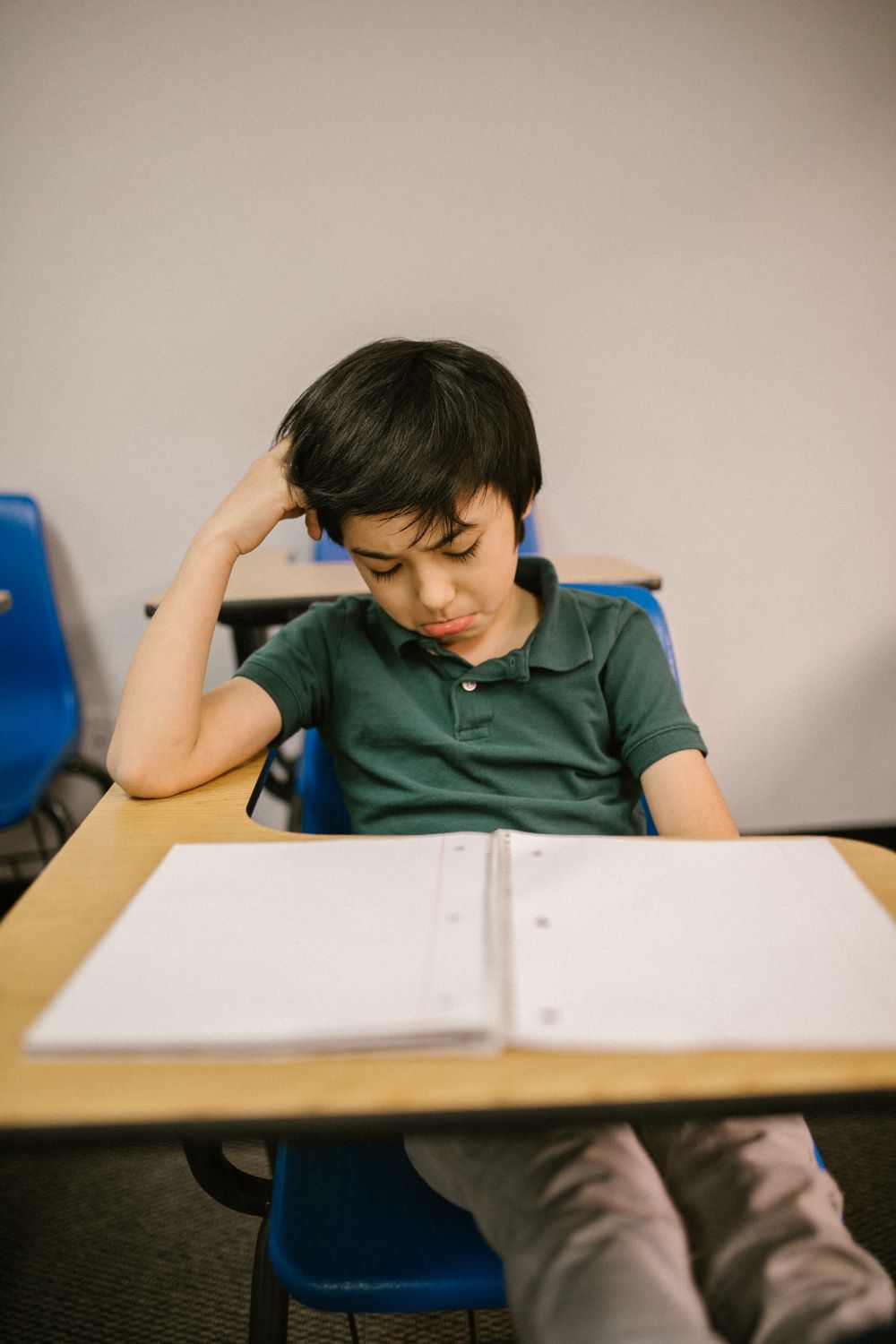
The COVID-19 pandemic was an unprecedented global crisis that touched the lives of individuals across all social strata. One might assume that children hailing from wealthier families, with their access to ample resources, would have experienced a smoother journey through these turbulent times. However, reality often diverges from perception. Surprisingly, data reveals that many wealthy children encountered significant mental health challenges during the pandemic.The pandemic cast a pervasive shadow over the mental well-being of children worldwide. In the initial year of the crisis, the World Health Organization (WHO) sounded the alarm, reporting a staggering 25% surge in global anxiety and depression. This grim statistic serves as a stark reminder of the extensive reach of the pandemic's psychological impact.A primary factor contributing to the mental health tribulations of wealthy children was the extraordinary stress unleashed by the pandemic. While financial security can ease certain concerns, it cannot shield against the fear of infection, apprehension for the well-being of loved ones, and the anguish stemming from the loss of family members. These burdens exacted a toll on the mental equilibrium of these young minds.Parents with high levels of education often hold lofty expectations for their children's academic accomplishments. The abrupt transition to remote learning, coupled with the uncertainty enveloping tests and grades, intensified academic pressures. This weight bore down particularly heavily on wealthy families, for whom education holds a position of paramount importance.
 Photo by cottonbro studio from Pexels
Sources:
Wealthier children struggled more with their mental health in the pandemic, research showsWealthier kids may have had steepest fall in mental health in UK pandemicFamily economic hardship and adolescent mental health during the COVID-19 pandemic
About Sara E. Teller
Sara is a credited freelance writer, editor, contributor, and essayist, as well as a novelist and poet with nearly twenty years of experience. A seasoned publishing professional, she's worked for newspapers, magazines and book publishers in content digitization, editorial, acquisitions and intellectual property. Sara has been an invited speaker at a Careers in Publishing & Authorship event at Michigan State University and a Reading and Writing Instructor at Sylvan Learning Center. She has an MBA degree with a concentration in Marketing and an MA in Clinical Mental Health Counseling, graduating with a 4.2/4.0 GPA. She is also a member of Chi Sigma Iota and a 2020 recipient of the Donald D. Davis scholarship recognizing social responsibility. Sara is certified in children's book writing, HTML coding and social media marketing. Her fifth book, PTSD: Healing from the Inside Out, was released in September 2019 and is available on Amazon. You can find her others books there, too, including Narcissistic Abuse: A Survival Guide, released in December 2017.