
Virginia Migrant Families Reunite After Deportations with Help from Lawyers
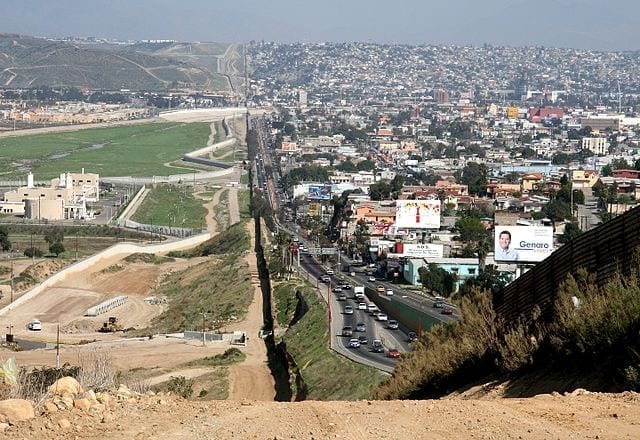
Virginia Migrant Families Reunite After Deportations with Help from Lawyers
Officials of the Biden Administration have been tasked with reuniting families who were separated at the border over three years ago. Record keeping from the Trump administration, or lack of it, has increased problems locating Central American parents who were separated from children, including infants. The location problems are exacerbated by the fear of those deported to assert their rights and total ignorance as to where their children were taken. More than 4,000 children are known to have been separated from their parents before and during the official start of zero tolerance in spring 2018. The 2018 American Community Survey estimates the number of foreign-born individuals in Virginia at 1,065,000, representing an 86.8% increase since 2000. Slightly more than one third of foreign-born Virginians come from Latin America, 41.8% from Asia, and 10.7% from Africa. Their primary regions of origin are Central America, South Central Asia, Southeast Asia, East Africa, and South America. The United States laws have specific requirements that need to be met for residency, and each situation of a deportee is unique, but may be reviewed by experienced Virginia immigration lawyers to help these families reunite and get their lives back on track, and establish if they had passed legal requirements before being deported.Undocumented immigrants in VirginiaThe majority of undocumented Virginians (75%) have lived in the Commonwealth for 5-14 years. More than half are between the ages of 25-44 years. Twenty-five percent have a high school degree, or GED and 25% have bachelors, graduate, or professional degrees. Deferred Action for Childhood Arrivals (DACA) is a United States immigration policy that allows some individuals with unlawful presence in the United States after being brought to the country as children to receive a renewable two-year period of deferred action from deportation and become eligible for a work permit in the U.S. To be eligible for the program, recipients cannot have felonies or serious misdemeanors on their records. Unlike the proposed DREAM Act, DACA does not provide a path to citizenship for recipients. DACA recipients should speak to an immigration attorney to determine what steps they need to make toward legal residency. Virginia law and DACA students
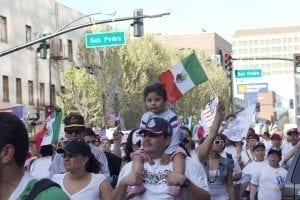 Mexican immigrants marching for more rights in San Jose; image courtesy of z2amiller via Wikimedia Commons, https://commons.wikimedia.org

About Peter Charles
Having graduated from Saint John’s University in 1993, Peter Charles, Chief Operating Officer, brings a dynamic 28-year sales career reflecting pioneering experience and record-breaking performance in the computer and internet industries. He remains on the industry’s cutting-edge, driving new business through key accounts and establishing strategic partnerships and dealer relationships to increase channel revenue. He is currently focused on providing multiple revenue streams for USAttorneys.com. He can be reached at 800-672-3103.