
Understanding the Basics of Civil Law

Understanding the Basics of Civil Law
For most people, the ins and outs of lawsuits are usually played out on television courtroom dramas. But should you find yourself a litigant in a court case, you'll definitely need to have a good understanding of how the system works in order to ensure your best chance for a positive outcome.In the United States, there are two bodies of law: civil cases and criminal cases. A criminal case involves an action considered harmful to society in general, whereas a civil case involves a dispute between individual people or organizations. The focus here is on civil cases since this type of lawsuit is much more common than a criminal case.When Civil and Criminal Cases CombineWhile civil and criminal cases are distinctly different, there are times when an offense can result in both types of lawsuits. An example of this is a case of a drunk driver who kills another person. The state could charge the driver with DUI and manslaughter, a criminal case. Additionally, the victim's family could file a wrongful death suit against the driver, a civil case that would seek to recover money for damages.Any drunk driving case carries serious consequences, so if you or a loved one find yourself facing this situation, your best bet is to seek the services of a Washington DUI attorney or one located in your hometown.How Civil Cases are CategorizedCases handled in civil court generally fall into four main categories:
Breach of contract, which involves a set of enforceable agreements that one person fails to complete. An example is a roofer who does not complete the work in a professional manner.
Property disputes, which involve ownership and use of property. A homeowner who claims a neighbor's fence encroaches on his property is an example of this.
Family cases, which deal with issues involving spouses, parents, and children. Examples of these cases include divorce and adoptions.
Tort, which involves a situation in which one party claims to have been damaged emotionally or physically by the other. This could involve assault and battery or negligence that led to harm, among other possible circumstances.
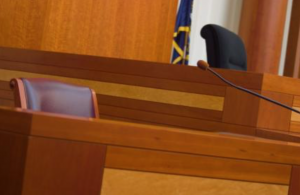 Empty witness stand; image by Brad Shorr, via wikimedia.com, public domain.
About Kevin Gardner
Kevin Gardner graduated with a BS in Computer Science and an MBA from UCLA. He works as a business consultant for InnovateBTS where he helps companies integrate technology to improve performance. He shares his knowledge and expertise not only with his clients, but also with his fellow bloggers and readers.