
There's Something in the Water
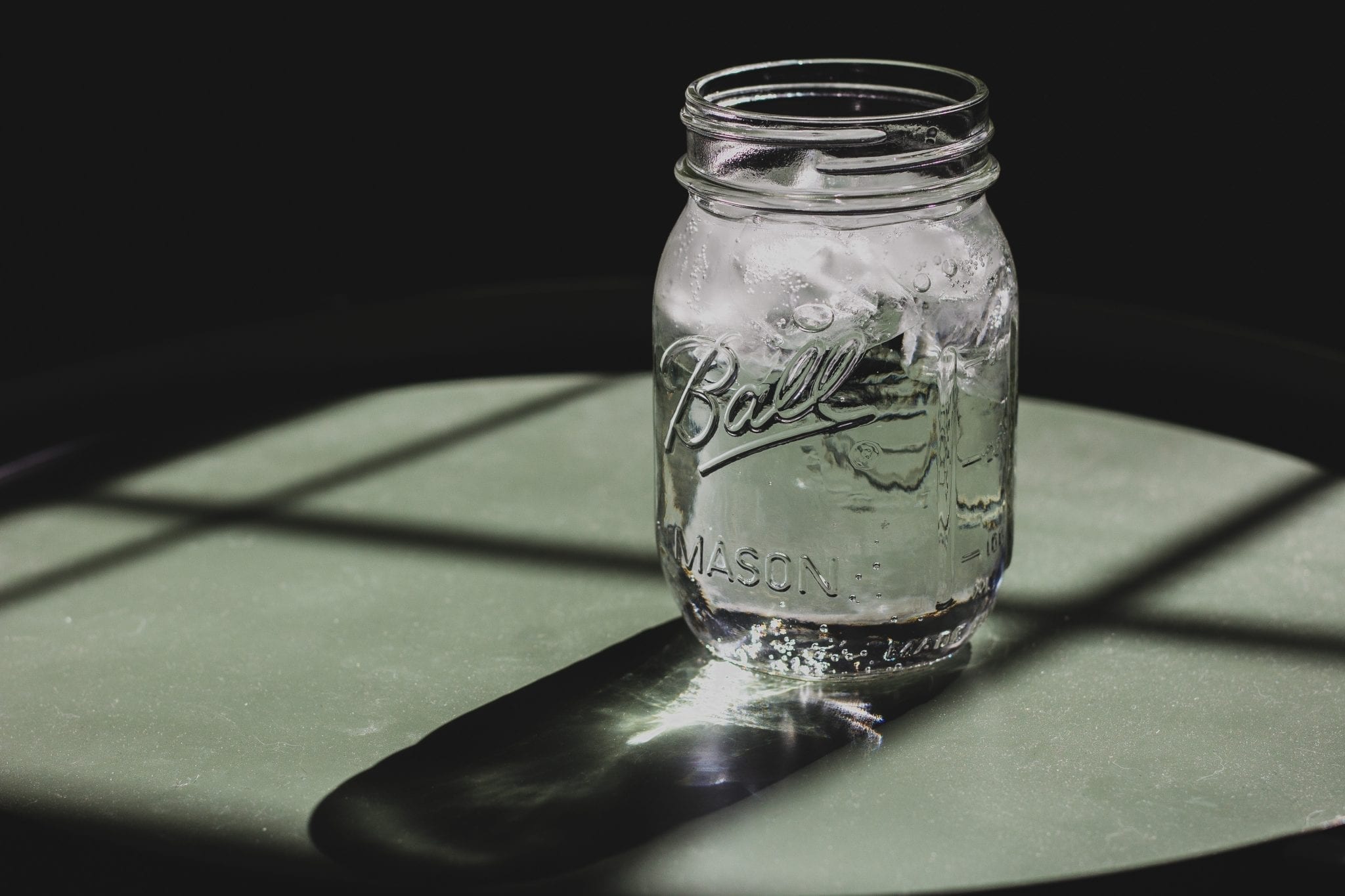
There's Something in the Water
Despite the obvious human need for fresh, healthy water, our addiction to the modern industrial system means that we are unlikely to stop contaminating the very water we rely upon to live. Whether it's our taste for cheap gear, cheap energy, cheap plastic goods, cheap animal protein, or merely saving tax dollars in general, our demand for cheap everything means that we pay later with our health, and perhaps our lives. There's something in the water almost everywhere, and it eventually cycles back through us.Decades ago, in Kent County, Michigan, Wolverine Worldwide operated a tannery that made waterproof leather for popular brands of shoes like Hush Puppies. Tannery waste was dumped locally, and some of the sludge was spread as fertilizer on farmland. Now there's something in the water, as wells in the area are turning up positive for per- and polyfluoroalkyl substances (called PFAS or PFCs). These chemicals are linked to thyroid and liver problems, various cancers, and other health issues. Is the contamination linked to Wolverine Worldwide, where workers were occupationally exposed to PFAS, including one instance where a plumbing malfunction allegedly spilled the Scotchgard chemical right into the drinking water? That's what a class action suit, filed earlier this month in Kent County, aims to prove.Remember Hurricane Harvey, the Big One that hit Houston late last summer? It turns out that the storm caused more widespread, severe releases of toxins into the floodwater than were publicized (or investigated) at the time. Hundreds of chemical plants and ten refineries along with thousands of miles of pipelines dot and crisscross the area, and many released unimaginable amounts of industrial wastewater in Harvey's wake.While state and federal regulators concentrated their testing on Houston's Superfund sites, it appears that only individual companies knew when they were responsible for something in the water – information they may prefer to keep closely guarded. Houston area residents can no longer be sure how extensively they were exposed to the toxic stew, or what, exactly, was in it. Gasoline? Dioxins? PCBs? Benzo(a)pyrene? There are a plethora of possibilities, none good.In Puerto Rico, Hurricane Maria also caused a toxic problem by uncovering hills of coal ash from a power plant in Guayama. The ash fouled Puerto Rican groundwater with arsenic, chromium, selenium, molybdenum, and as a bonus, it's radioactive. The poisoned groundwater also flows into the ocean.Further north, the Great Lakes are the largest surface freshwater system in the world, but we're not treating them like the treasure they are. Every year, Michigan's factory farm feedlots leak a little something in the water: 3.3 billion gallons of animal urine and feces. This waste, which if properly managed could be a soil fertility-enhancing asset, makes its way into the Great Lakes. There, it mixes with industrial pollution (some of it from Canada) and lake-adjacent Michigan communities whose overloaded sewer systems dump raw or partially-treated sewage right in the drink. Stir in some microplastics and you have a disgusting mess.
 A seawater sample from the Great Pacific Garbage Patch. Photo by emilymcmc, via Flickr. CC BY 2.0, image cropped.
Sources:
Wolverine Worldwide tannery workers drank water mixed with Scotchgard in 1999
Cedar Springs residents part of new class action suit against Wolverine
Hurricane Harvey's toxic impact deeper than public told
“Signs Of Radioactivity” Reportedly Found In Puerto Rico’s Groundwater
The Great Lakes are being poisoned by poop
How much is clean water worth?
Great Pacific Garbage Patch is 16 times bigger than previously estimated, study finds
U.S. Supreme Court allows Flint water contamination lawsuits

About Dawn Allen
Dawn Allen is a freelance writer and editor who is passionate about sustainability, political economy, gardening, traditional craftwork, and simple living. She and her husband are currently renovating a rural homestead in southeastern Michigan.