The Impact of Reducing Sedentary Behavior (SB) on Mental Health
The Impact of Reducing Sedentary Behavior (SB) on Mental Health
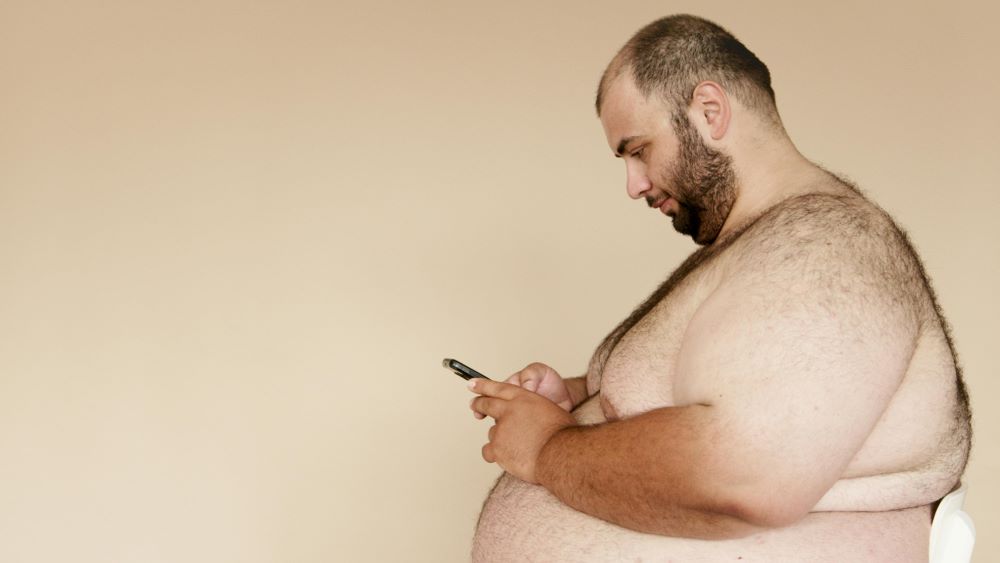
In today’s world, many individuals are getting less exercise than ever before. The digital age has brought with it extensive use of electronic devices no longer limited to television and radios, but including smartphones, tablets, gaming systems, and more. There are more options for transportation to and from one’s favorite places, taking away the requirement for walking or biking, and with social media has come a desire for online connection with others rather than meeting in person. Mental health has also suffered as people are opting for less active lifestyles, with rates of depression and anxiety skyrocketing alongside obesity, type 2 diabetes, and poor cardiovascular health. As a result of a perfect storm of unhealthy thought processes and behaviors, sedentary behavior (SB) has become a very real concern for society as a whole. Because this lifestyle has been linked to a variety of poor health outcomes (not limited to the above) and increased rates of mortality, there is a growing interest in the research community to study the long-term impact.As a result, the link between mental health and inactivity has been under a microscope in recent years, and the findings have been grim. The relationship between sedentary lifestyles and conditions such as anxiety and depression (with, in and of themselves bring health complications), as well as suicidal thoughts, underscores the importance of understanding the various domains of SB.
 Photo by Pavel Danilyuk from Pexels
Sources:
Associations between domains of sedentary behavior, well-being, and quality of life – a cross-sectional studySedentary behaviors and risk of depression: a meta-analysis of prospective studiesAssociation Between Physical Activity and Sedentary Behavior With Depressive Symptoms Among US High School Students, 2019
About Sara E. Teller
Sara is a credited freelance writer, editor, contributor, and essayist, as well as a novelist and poet with nearly twenty years of experience. A seasoned publishing professional, she's worked for newspapers, magazines and book publishers in content digitization, editorial, acquisitions and intellectual property. Sara has been an invited speaker at a Careers in Publishing & Authorship event at Michigan State University and a Reading and Writing Instructor at Sylvan Learning Center. She has an MBA degree with a concentration in Marketing and an MA in Clinical Mental Health Counseling, graduating with a 4.2/4.0 GPA. She is also a member of Chi Sigma Iota and a 2020 recipient of the Donald D. Davis scholarship recognizing social responsibility. Sara is certified in children's book writing, HTML coding and social media marketing. Her fifth book, PTSD: Healing from the Inside Out, was released in September 2019 and is available on Amazon. You can find her others books there, too, including Narcissistic Abuse: A Survival Guide, released in December 2017.