
Supply Side Advocates, Riddle Me This
Supply Side Advocates, Riddle Me This
Perhaps you've heard of Reaganomics, voodoo economics, or trickle-down, but whatever you call it, advocates of supply side economics still think of it as the answer to our economic ills. Developed as a way of pushing through the stagflation of the 1970s, supply side dogma is still invoked in today's low-inflation, low-unemployment economy. It's what drove the Trumpian tax cuts for the rich, because supposedly, if we shovel more of our communal resources into the pockets of those who already have a lot of capital, they'll bless us by investing it in more production and more jobs. Ditto for cities like New York and Detroit, whose efforts to attract Amazon or a new Fiat Chrysler facility meant competing to offer the most lavish prizes (like tax abatements and free land) to companies who already expect to profit, or else they wouldn't be expanding in the first place.Precise definitions of supply side vary, depending upon who you ask (and their political leaning), but one thing they all have in common is a predilection for cutting marginal and capital gains tax rates in order to feed the wealthy. There are more details, like a resuscitation of the gold standard, that are often overlooked. Perhaps the most layman-friendly definition, though, has to do with the hoped-for results of these tweaks to monetary policy, which is that consumers stand to benefit from an increase in the available supply of goods and services, which is expected to lower prices and create jobs. If you make a big pile of stuff, in other words, prosperity will follow.
 The United States has a record cheese glut. If the food industry can't find ways to make Americans eat more gooey pizza, can they do anything at all? Photo by Nicolás Perondi on Unsplash.
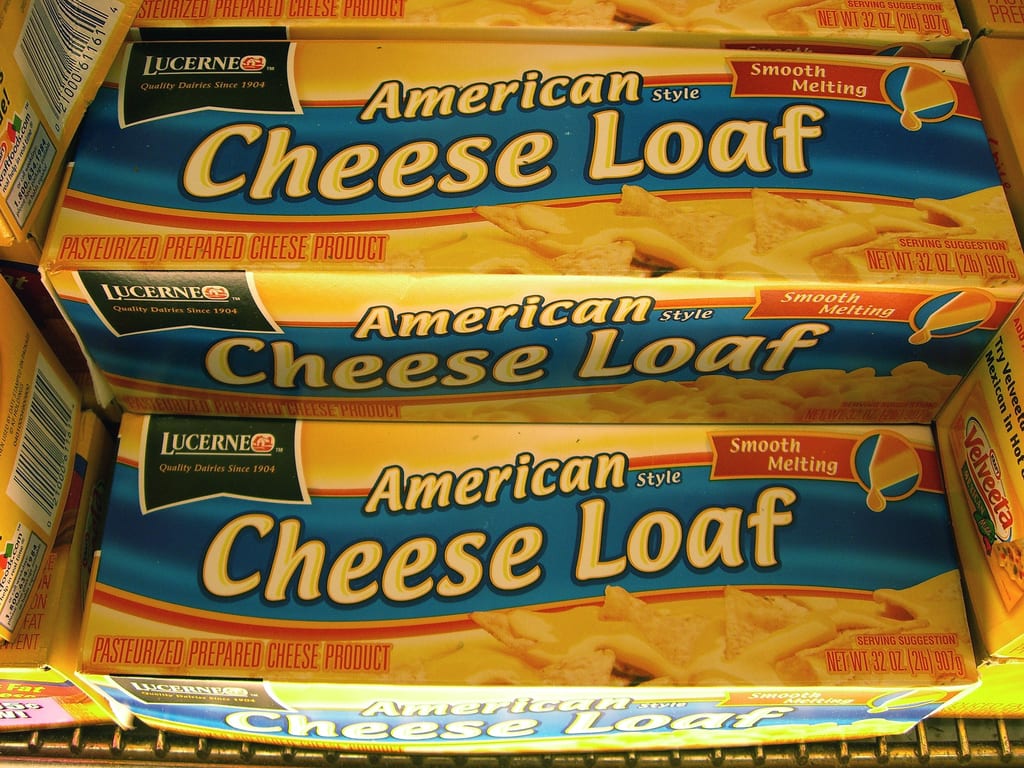
Cheese. The United States has 900,000 cubic yards of surplus cheese, sitting in warehouses around the country. People aren't buying as much milk, so it gets processed into cheese so it doesn't spoil as quickly. It's been getting worse for years. If we can't find a way for Americans to eat more cheese, even when we also have a 1.3 million pound stash of unsold marijuana, what can we do?
Soybeans. Trump's tariffs on Chinese imports sparked retaliatory Chinese tariffs on American agricultural output, so we're not selling as many soybeans to China as we used to. We're sitting on a massive supply of underused, cheap soybeans, and we will be for years. Aren't soybeans supposed to be so incredibly versatile that they can be made into ink, fuel, and plastic, as well as food? Come on, industry, are you telling me that there's nothing economically valuable to be done with Trump's soybean glut? Really?
Recyclables. Last year, China stopped taking most of the world's recycling, citing concerns about cleanliness and hard-to-recycle composite materials. That means our cities are drowning in post-consumer paper and plastic waste. Turning our trash into new products made numerous Chinese fortunes, including Zhang Yin, China's first female billionaire. Now, though, we're landfilling this bounty here or abroad, or at best, burning it for “green” energy. If Chinese industries can spring up to make use of this abundant resource, why aren't ours? Where are the jobs?
Mansions. The U.S. has an oversupply of over-the-top expensive luxury homes. This is the kind of thing that rich people are supposed to spend their fortunes on, once they have enough pairs of jeans, jars of peanut butter, Tesla Roadsters, and venture capital investments, right? Since we've engineered our economy to cram even more wealth down the gullets of the rich in the hopes that they'll crap out enough for the rest of us to live on, one would think the ever-increasing supply of rich folks would be snapping them up to show off how they've arrived, and then hiring the little people as their maids, cooks, and groundskeepers. If we can't count on the getting-richer rich to up their ostentatious consumption game, then what is America for, anyway?
Sources:
Jeep plants a big win for Detroit. But expect debate about tax incentives
With Amazon’s HQ2 Competition, When You Win, You Lose
Nobody Is Moving Our Cheese: American Surplus Reaches Record High
U.S. soy glut could take three years to eliminate
U.S. confirms China soybean sale, but size disappoints
Where Will Your Plastic Trash Go Now That China Doesn't Want It?
Is This the End of Recycling?
Can the World’s Wealthiest Absorb the High-End Home Glut?
Oregon Grew Over A Million Pounds Of Weed That No One Is Smoking – What Will They Do With It?
The Moral Center of Meritocracy Collapses
Ignorance Abounds About Supply-Side Economics
Supply side economics

About Dawn Allen
Dawn Allen is a freelance writer and editor who is passionate about sustainability, political economy, gardening, traditional craftwork, and simple living. She and her husband are currently renovating a rural homestead in southeastern Michigan.