Stethoscopes Contain Harmful Bacteria Even When 'Clean,' Study Finds
Stethoscopes Contain Harmful Bacteria Even When 'Clean,' Study Finds
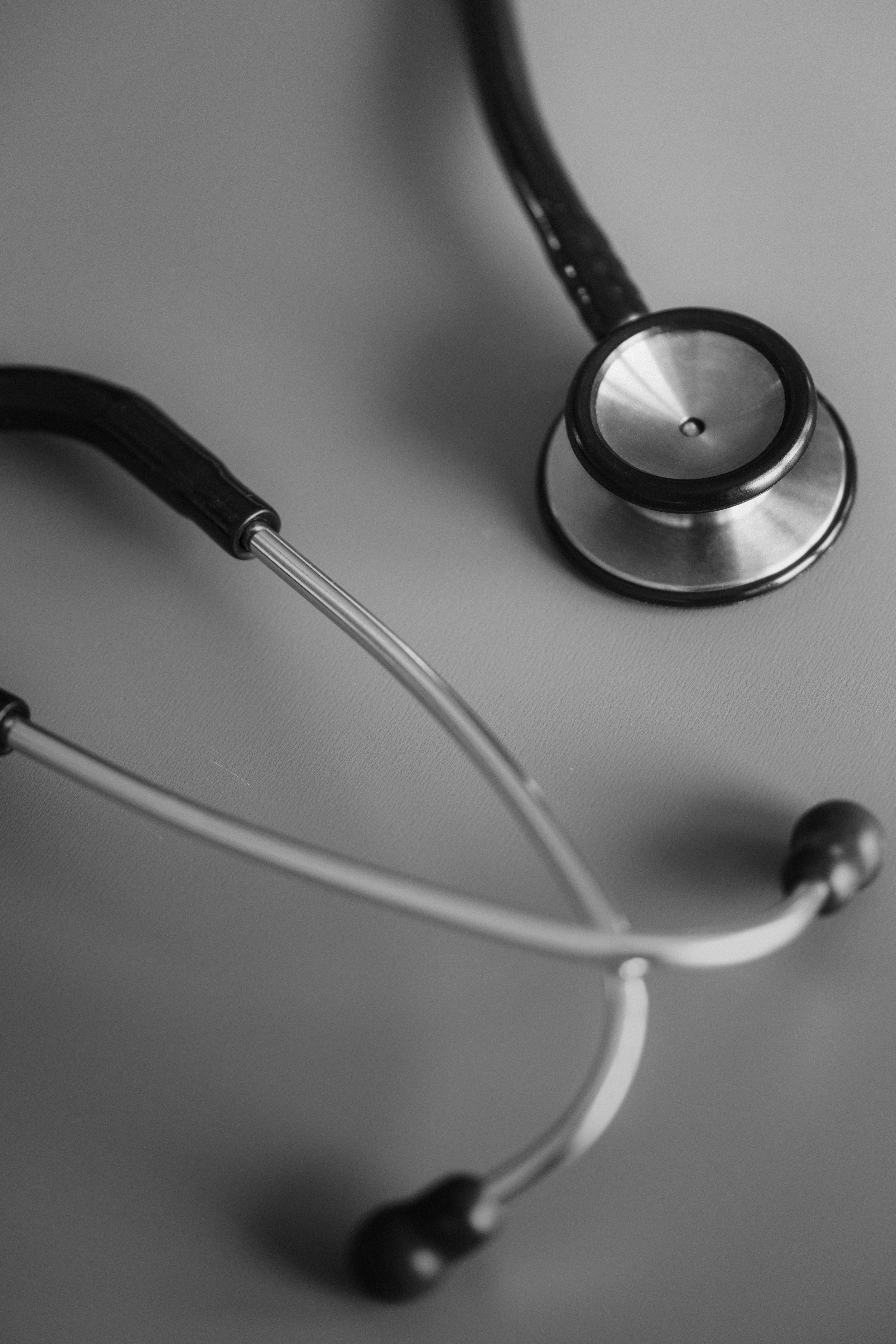
In a recent study, researchers found DNA from bacteria linked to a number of infections on stethoscopes carried by Intensive Care Unit (ICU) healthcare professionals. On a set of forty ICU stethoscopes, all had a high abundance of Staphylococcus DNA, with “definitive” S. aureus DNA present on 24 of 40 of the instruments tested, according to Ronald G. Collman, MD, of the University of Pennsylvania (UPenn) Perelman School of Medicine in Philadelphia and his colleagues. The authors wrote, “Staphylococcus, the bacteria responsible for Staph infections, was found in abundance on all stethoscopes.” What’s more, cleaning the instruments did not completely sterilize the stethoscopes, bringing them to the level of “clean,” the authors wrote in Infection Control & Hospital Epidemiology, the journal of the Society for Healthcare Epidemiology of America.The researchers swabbed stethoscopes from their hospital’s medical ICU, using molecular sequencing to analyze the samples taken. These included ten single-use disposable stethoscopes right out of the box (i.e., the control set), twenty single-use disposable stethoscopes being used in inpatient rooms (i.e., patient room stethoscopes), and twenty stethoscopes carried by practitioners. They then sampled ten additional practitioner stethoscopes cleaned with the “standardized cleaning method,” which includes a hydrogen peroxide wipe for one minute and then swabbed when dry.
 Photo by rawpixel on Unsplash
Sources:
ICU Stethoscopes Teeming With BacteriaPenn study: Stethoscopes are loaded with bacteriaCDC: Disinfection of Healthcare Equipment
About Sara E. Teller
Sara is a credited freelance writer, editor, contributor, and essayist, as well as a novelist and poet with nearly twenty years of experience. A seasoned publishing professional, she's worked for newspapers, magazines and book publishers in content digitization, editorial, acquisitions and intellectual property. Sara has been an invited speaker at a Careers in Publishing & Authorship event at Michigan State University and a Reading and Writing Instructor at Sylvan Learning Center. She has an MBA degree with a concentration in Marketing and an MA in Clinical Mental Health Counseling, graduating with a 4.2/4.0 GPA. She is also a member of Chi Sigma Iota and a 2020 recipient of the Donald D. Davis scholarship recognizing social responsibility. Sara is certified in children's book writing, HTML coding and social media marketing. Her fifth book, PTSD: Healing from the Inside Out, was released in September 2019 and is available on Amazon. You can find her others books there, too, including Narcissistic Abuse: A Survival Guide, released in December 2017.