
Smart Cities: How Technology is Driving Urban Development in the United States
Smart Cities: How Technology is Driving Urban Development in the United States
A smart city is a framework, predominantly composed of Information and Communication Technologies (ICT), to develop, deploy and promote sustainable development practices to address growing urbanization challenges. A big part of this ICT framework is essentially an intelligent network of connected objects and machines transmitting data using wireless technology and the cloud.Managing Traffic in Smart Cities: The Chicago ExampleSmart cities present innovative ways to manage traffic congestion, and Chicago serves as a prime example of these advancements. Utilizing intelligent transport systems, Chicago has made strides towards improving its traffic conditions. This includes the use of sensors, AI, and data analytics to monitor traffic flow and adjust signal timings accordingly. Traffic management centers collect data in real time from a variety of sources like cameras, inductive-loop traffic detectors, and GPS systems in city vehicles to provide a comprehensive picture of the city’s traffic situation. Additionally, Chicago has adopted the use of smart parking solutions. Through an app, drivers can find and pay for parking, reducing the time spent searching for a spot and consequently easing traffic congestion. Furthermore, the city promotes carpooling and cycling, supported by well-developed infrastructure, to reduce the number of vehicles on the road. These initiatives demonstrate how technology can be harnessed to tackle traffic in urban environments, contributing to the broader goals of a smart city. Andrew Kryder, founding partner of The Kryder Law Group, LLC Accident and Injury Lawyers and a Chicago car accident lawyer with over 20 years of experience helping accident victims, explains, "The adoption of smart technology in traffic management is not just a trend; it's a necessity. The innovative use of data analytics, AI, and sensors in managing traffic flow, timing signals, and even finding parking spaces, can significantly reduce the risk of traffic accidents and enhance the overall safety of the city's roadways."The Impact on InfrastructureAdvanced infrastructure is a crucial component in these smart cities, paving the way for new technological developments. This includes high-speed, reliable internet access, smart grids for electricity, and sustainable practices for waste management. The advent of 5G is a game-changer for making cities smarter, allowing for faster data transfer and the ability to connect more devices simultaneously.Enhancing Public ServicesThe concept of smart cities extends beyond infrastructure. It also involves using technology to improve public services. For instance, real-time data can help manage city services more efficiently, reducing costs, and improving residents' quality of life. This could include anything from real-time public transit updates to smart trash collection.Smart Cities and Sustainability
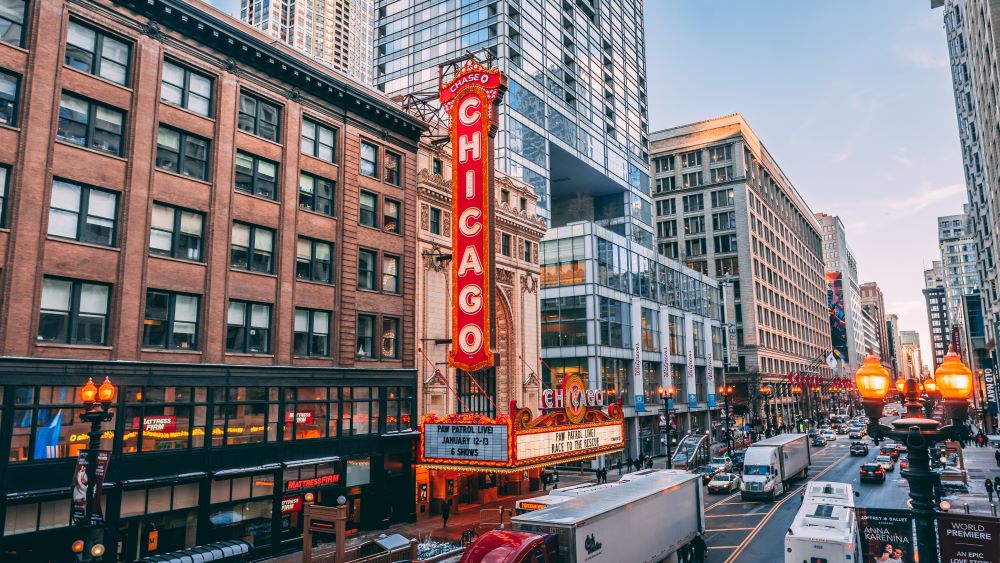
 Blue and black city buildings photography; image by Samson, via Unsplash.com.

About Jeffery Thompson
Jeffery Thompson is a passionate writer & guest blogger. Writing helps him to improve his knowledge, skills & understanding about the specific industry. He loves writing & sharing his knowledge mostly in the health industry. He believes health is the real wealth & wants to spread his belief across the world. Apart from writing, he loves traveling & cooking.