
Small Business Tax Tips: Maximizing Deductions and Credits
Small Business Tax Tips: Maximizing Deductions and Credits
Managing a small business comes with unique challenges, and navigating the taxation maze is undoubtedly one of the most daunting. For small business owners, understanding tax deductions and credits is not just about compliance; it's about optimizing financial health. Effective tax planning can significantly reduce your tax bill, freeing up capital for reinvestment or cushioning your bottom line. This post will explore key strategies for maximizing deductions and credits, ensuring your small business thrives in an increasingly competitive economy.The Role of Professional AdvocatesIt's essential to start with a solid plan. Partnering with tax professionals, like those at Tax Law Advocates Planning, can provide invaluable insights into tax-saving strategies tailored to your business needs. An advocate doesn’t just help with compliance; they enable strategic planning that aligns with your business goals.Identifying Eligible Deductions and CreditsThe key to maximizing your tax benefits is identifying what deductions and credits are available to your small business. Here are some commonly overlooked areas:
Home Office Deduction: If you use a portion of your home exclusively for business, you may be eligible for a home office deduction. This can include a percentage of your rent, mortgage interest, utilities, and insurance.
Vehicle Expenses: If you use your vehicle for business, you can deduct expenses like gas, repairs, and insurance. You can use the standard mileage rate or actual car expenses.
Equipment and Supplies: Purchases like computers, software, office supplies, and furniture are tax-deductible. Remember to keep track of these expenses throughout the year.
Retirement Contributions: Contributions to a retirement plan like a SEP IRA or a Solo 401(k) can be a significant deduction. This reduces your taxable income and helps secure your financial future.
Educational Expenses: Investments in business education or training for yourself or your employees can often be deducted.
Health Insurance Premiums: If you're self-employed and pay for your health insurance, you can deduct your premiums.
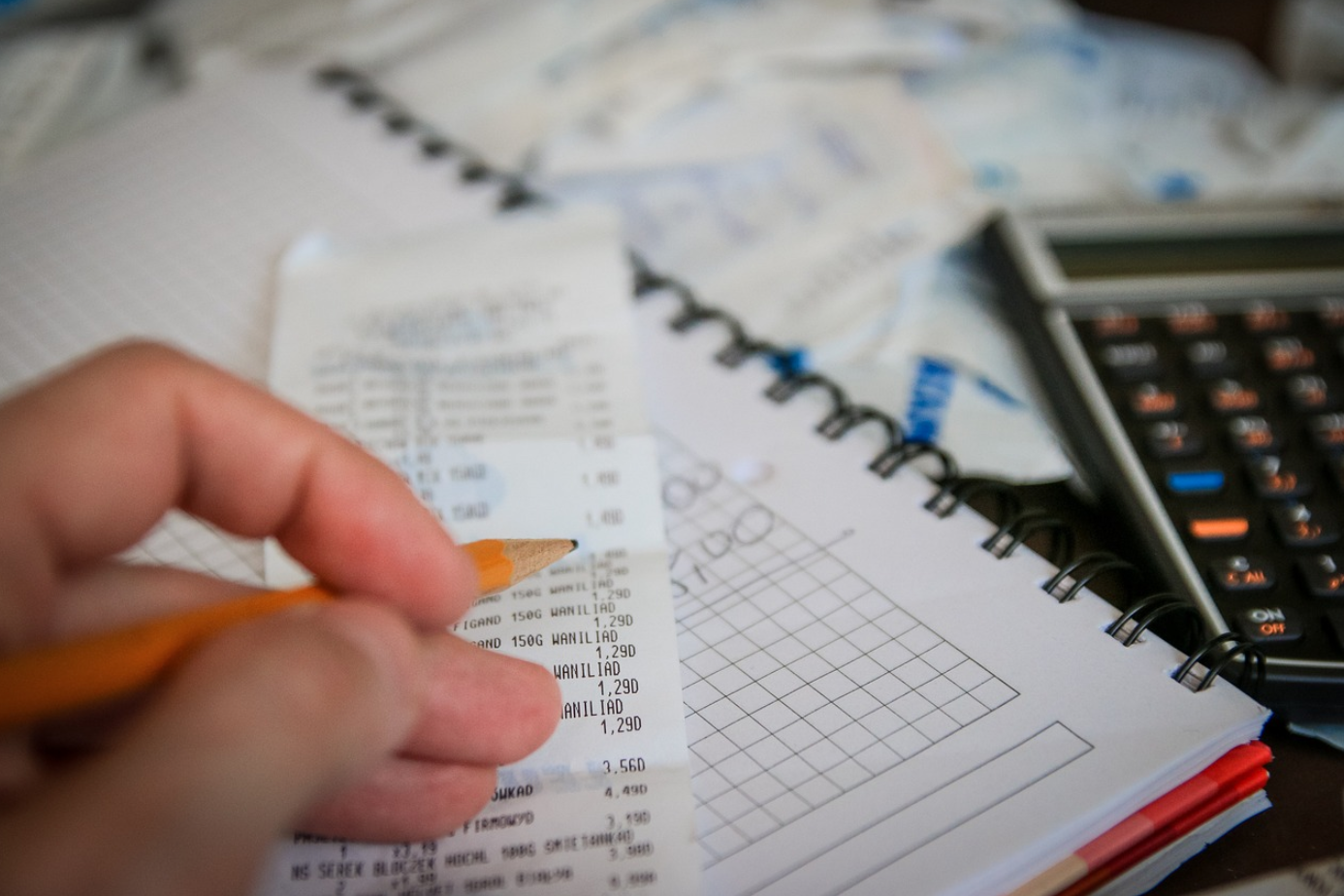
 Photo by Nataliya Vaitkevich on Pexels
Quarterly Taxes: Paying estimated quarterly taxes can help you avoid underpayment penalties and manage cash flow more effectively. This system of paying taxes in increments helps distribute the tax burden throughout the year, making it more manageable for small business owners. It also allows you to review your earnings periodically and adjust your payments based on your current income, ensuring you're paying well.
Accounting Method: Choosing between cash and accrual accounting methods can impact how you report income and expenses. This choice depends on your specific business circumstances. The cash method recognizes revenue and expenses when received or paid, is typically more straightforward, and may be more suitable for smaller businesses. In contrast, the accrual method, recognizing revenue and expenses when earned or incurred, offers a more accurate picture of financial health over extended periods and is often preferred by businesses with more complex operations.
Business Structure: Your business structure (sole proprietorship, partnership, corporation, etc.) significantly impacts your tax liabilities. Consulting a tax expert to determine the most beneficial structure for your business is a wise decision. Different structures have varying tax implications, liability issues, and record-keeping requirements. For example, corporations might benefit from lower tax rates but have more regulatory requirements, while sole proprietors have more straightforward tax reporting but face personal liability for business debts. The proper structure should balance tax benefits with operational efficiency and legal protection.

About Lana Hawkins
Lana is a stay-at-home mom, writer, and interior design enthusiast. She loves writing about interiors, but her specialty is landscape design. She enjoys playing in the kitchen and cooking for her friends and family, spending time in nature and learning about other cultures by traveling.