
Categories | News & Politics Article

Sleep & Depression: Temporary Relief Comes at a Cost
December 12th, 2023 News & Politics 3 minute read
Article Image

Sleep & Depression: Temporary Relief Comes at a Cost

A recent study conducted by researchers from Northwestern University in Illinois brought forth a paradoxical revelation. It suggests that sleep deprivation might offer temporary relief from depression, albeit with potential consequences. Published in the journal Neuron, the study delves into the effects of acute sleep loss on mood, shedding light on its impact on neurotransmitters in the brain.Pulling an all-nighter, often associated with exhaustion, may surprisingly serve as a short-term mood enhancer, according to the Northwestern University study. Researchers, employing "gentle" techniques to keep mice awake, observed a surge in dopamine levels—a neurotransmitter linked to pleasure—in the sleep-deprived rodents. Additionally, the study revealed a temporary rewiring of the brain, resulting in elevated mood persisting for several days after the sleep-deprived period.The study's findings not only provide insights into the relationship between sleep, mood, and neurotransmitters but also have potential implications for understanding how antidepressants function and the temporary relief they may offer. Researchers believe that unraveling the mechanisms behind the antidepressant effects of sleep loss could pave the way for identifying new targets for medications aimed at alleviating depression.
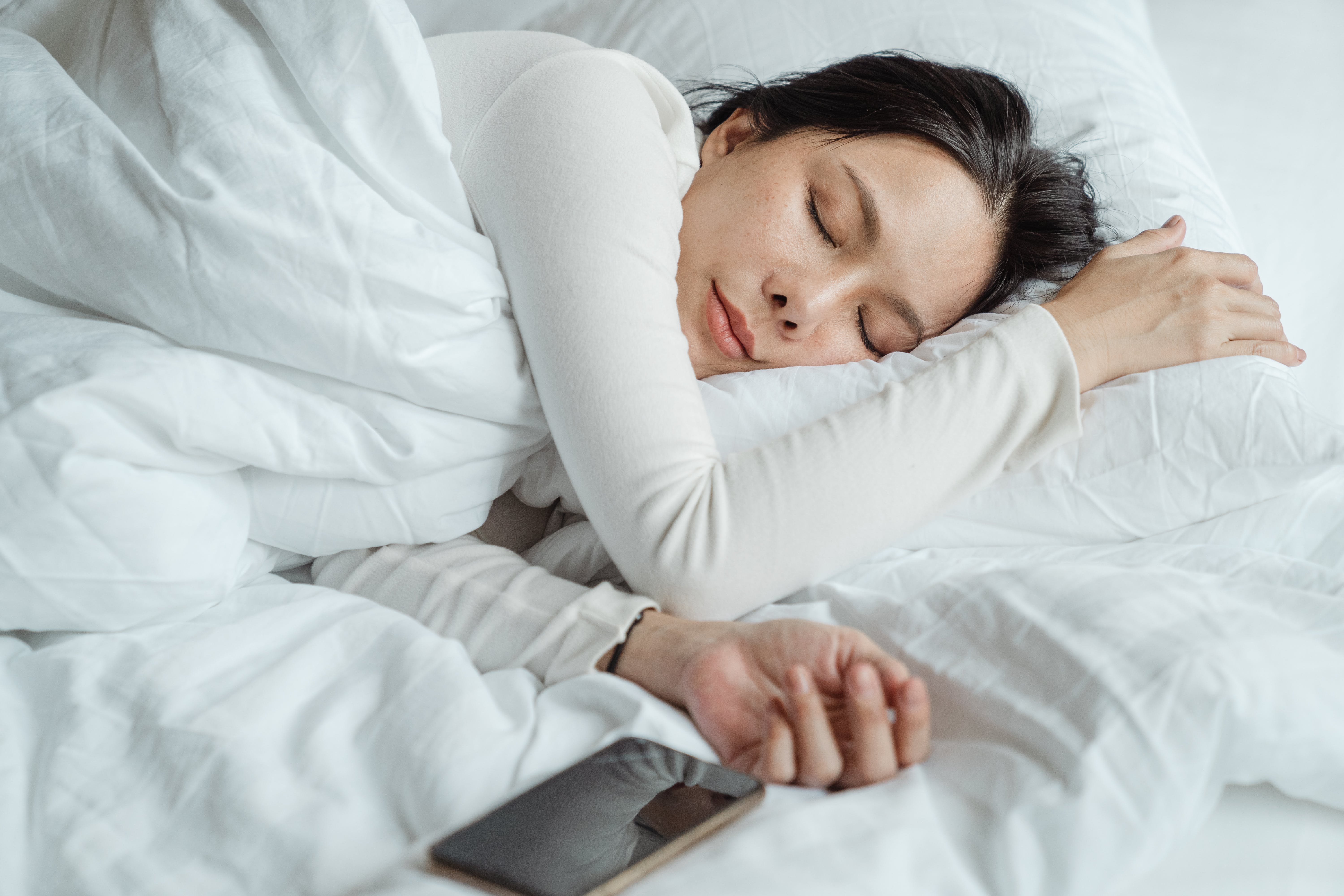
Sleep & Depression: Temporary Relief Comes at a CostPhoto by Ketut Subiyanto from Pexels

After a night of sleep deprivation, the mice displayed heightened levels of aggression, hyperactivity, and hypersexuality compared to their well-rested counterparts. The increased dopamine activity in four regions of the brain, particularly noticeable in the sleep-deprived mice, correlated with these behavioral changes.While most of these behaviors reverted a few hours later, the antidepressant effect endured for several days. Chronic sleep loss has been extensively studied and the impact of short-term sleep deprivation remains less understood.Yevgenia Kozorovitskiy, study co-author and associate professor of neurobiology at Northwestern’s Weinberg College of Arts and Sciences, emphasized the importance of recognizing how brief periods of sleep loss can fundamentally alter the brain in a matter of hours.Experts not involved in the study shared their insights into the findings. Dr. Shelby Harris, director of sleep health at Sleepopolis, found the idea that staying up all night could temporarily alleviate depression intriguing.She highlighted previous studies showing similar results and suggested mechanisms by which sleep deprivation might improve mood. Furthermore, Dr. Mirela Loftus, medical director for Newport Healthcare in New Jersey, praised the study's contribution to linking high-level functions like mood to cellular mechanisms and dopamine network pathways.However, she cautioned against extrapolating the results to human behavior, emphasizing the need for human-related studies.While the study hints at the potential benefits ad temporary relief associated with short-term sleep deprivation, cautionary notes accompany the findings. Dr. Loftus warned against attempting to use sleep deprivation as a solution to depression, especially without human-related studies. She highlighted the study's limitations, including its focus on mice, the lack of long-term follow-up, and the absence of standardized affective state measures.Dr. Harris echoed the caution, emphasizing that sleep deprivation is a temporary solution with potential negative consequences for both physical and mental health. Chronic sleep deprivation, she noted, can lead to concentration problems, memory issues, increased accident risk, and various chronic health conditions.In essence, while the study unveils a potential link between sleep deprivation and mood enhancement, it reinforces the importance of caution, emphasizing the need for comprehensive research and a nuanced understanding of the intricate relationship between sleep and mental health.

Sources:

Sleep deprivation could relieve depression but only temporarily, says study, as doctors share warnings

Sleep deprivation as treatment for depression: Systematic review and meta‐analysisSleep Deprivation and Depression

Sara E. Teller

About Sara E. Teller

Sara is a credited freelance writer, editor, contributor, and essayist, as well as a novelist and poet with nearly twenty years of experience. A seasoned publishing professional, she's worked for newspapers, magazines and book publishers in content digitization, editorial, acquisitions and intellectual property. Sara has been an invited speaker at a Careers in Publishing & Authorship event at Michigan State University and a Reading and Writing Instructor at Sylvan Learning Center. She has an MBA degree with a concentration in Marketing and an MA in Clinical Mental Health Counseling, graduating with a 4.2/4.0 GPA. She is also a member of Chi Sigma Iota and a 2020 recipient of the Donald D. Davis scholarship recognizing social responsibility. Sara is certified in children's book writing, HTML coding and social media marketing. Her fifth book, PTSD: Healing from the Inside Out, was released in September 2019 and is available on Amazon. You can find her others books there, too, including Narcissistic Abuse: A Survival Guide, released in December 2017.

Related Articles