Sitting In Someone Else's Running Car Can Be Considered Theft
Sitting In Someone Else's Running Car Can Be Considered Theft
Somsalao Thonesavanh found a running car parked in his driveway, being warmed up under cold conditions. He knocked on the front door of the vehicle owner’s house. When he didn’t receive an answer, he entered the vehicle. Meanwhile, the owner called 911 and an officer was dispatched to the residence.Thonesavanh was sitting in the vehicle when the officer arrived with the doors locked. He was asked to come out and was placed under arrest. Thonesavanh was subsequently charged with car theft, and asked that the court remove the charge because he didn’t take the vehicle anywhere. Two lower courts concluded that he was innocent. However, the state’s supreme court reversed the decision.Thonesavanh was charged according to a Minnesota law that states anyone who “takes or drives a motor vehicle” without the consent of its owner can be found guilty of vehicle theft. The word “take,” according to the supreme court, is ambiguous and has 80 different definitions in the American Heritage Dictionary. Some definitions require movement, others do not. Those that don’t require movement state “take” can mean “to seize with authority or legal right” or “to get possession of,” such as is the case with larceny or robbery.
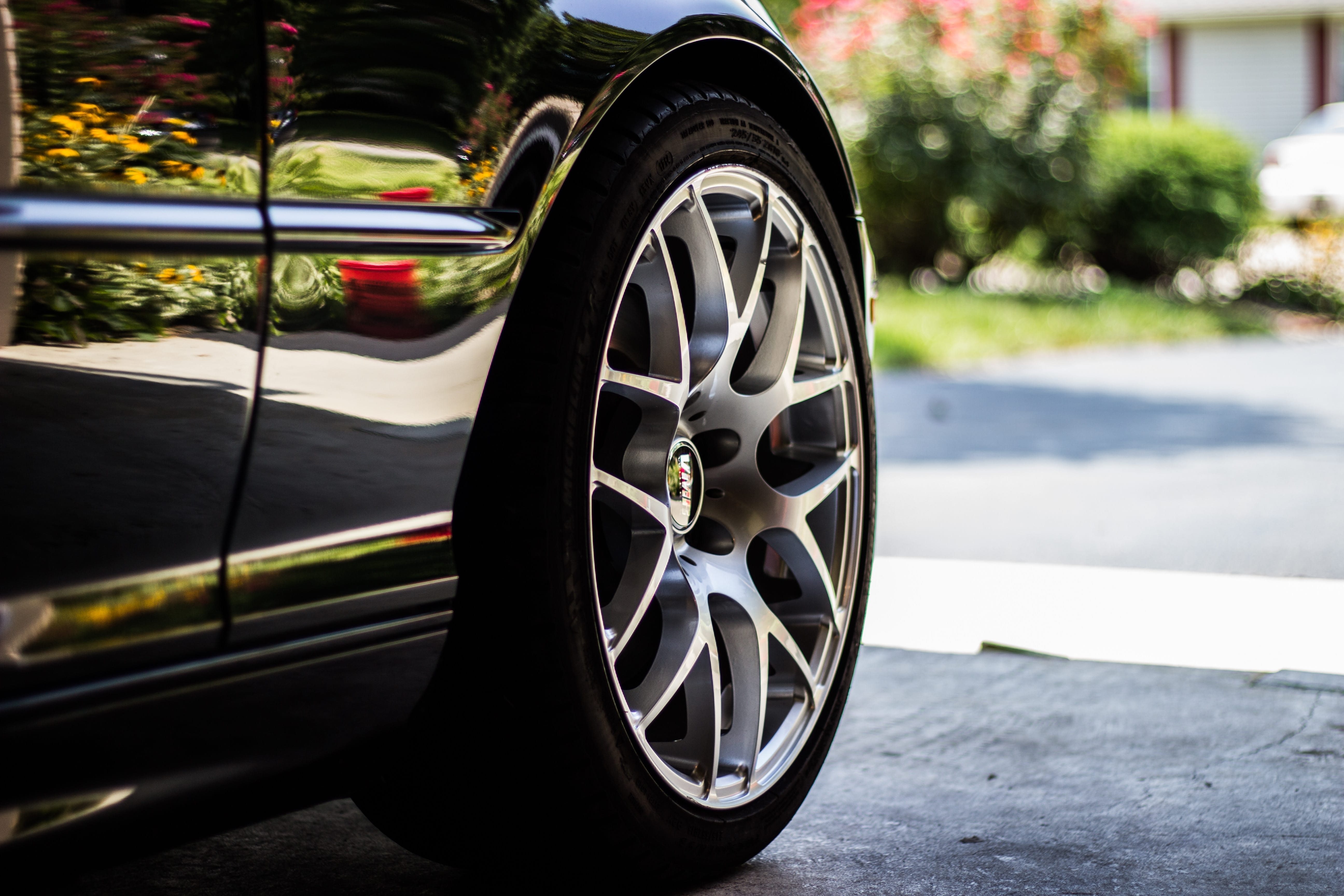
 Image Courtesy of Legal Beagle
Sources:
A person who locks himself in another's car can be guilty of vehicle theft, state's top court rulesMN Supreme Court: Car doesn’t have to move to be stolen
About Sara E. Teller
Sara is a credited freelance writer, editor, contributor, and essayist, as well as a novelist and poet with nearly twenty years of experience. A seasoned publishing professional, she's worked for newspapers, magazines and book publishers in content digitization, editorial, acquisitions and intellectual property. Sara has been an invited speaker at a Careers in Publishing & Authorship event at Michigan State University and a Reading and Writing Instructor at Sylvan Learning Center. She has an MBA degree with a concentration in Marketing and an MA in Clinical Mental Health Counseling, graduating with a 4.2/4.0 GPA. She is also a member of Chi Sigma Iota and a 2020 recipient of the Donald D. Davis scholarship recognizing social responsibility. Sara is certified in children's book writing, HTML coding and social media marketing. Her fifth book, PTSD: Healing from the Inside Out, was released in September 2019 and is available on Amazon. You can find her others books there, too, including Narcissistic Abuse: A Survival Guide, released in December 2017.