
Shaping Student Mental Health Through Wisconsin's School Cafeterias
Shaping Student Mental Health Through Wisconsin's School Cafeterias
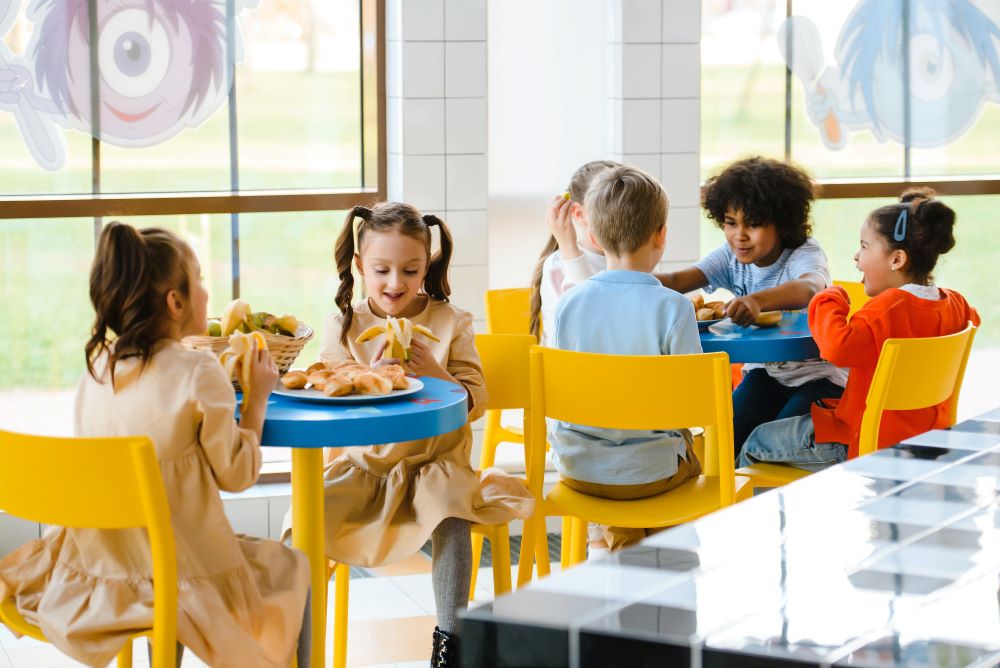
Since his kindergarten days, William Pickard has been dealing with hunger at school. Now a junior at Hamilton High School in Milwaukee, Pickard is collaborating with school district leaders to enhance the nutritional quality of school cafeterias. His motivation stems from personal experience, stating, "I haven't always had a meal available back at home. There's a lot of stress not knowing where your next meal comes from."Research has shown that school cafeterias play a crucial role in students' mental health. Food scarcity can lead to stress, anxiety, and eating disorders. Furthermore, the quality of food can impact mental well-being, with ultra-processed foods linked to depression, while certain whole foods can boost serotonin levels, improving mood.Camila Martin, a nutritionist for children working at UW-Health, emphasized that, in many cases the meal students have at the school is one of the healthiest option available to their children. In Wisconsin, approximately one in nine children faces hunger, according to Feeding America.Youth Empowered in the Struggle, a student-led group including William Pickard, has been advocating for improved school meals since 2022. The group, working with Milwaukee Public Schools, aims to reduce the reliance on pre-packaged meals and introduce more nutritious options for students.Each Wisconsin school district faces unique challenges in running their meal programs, including:
Sourcing fresh ingredients,
Budget constraints, and
Ensuring affordability for all students.
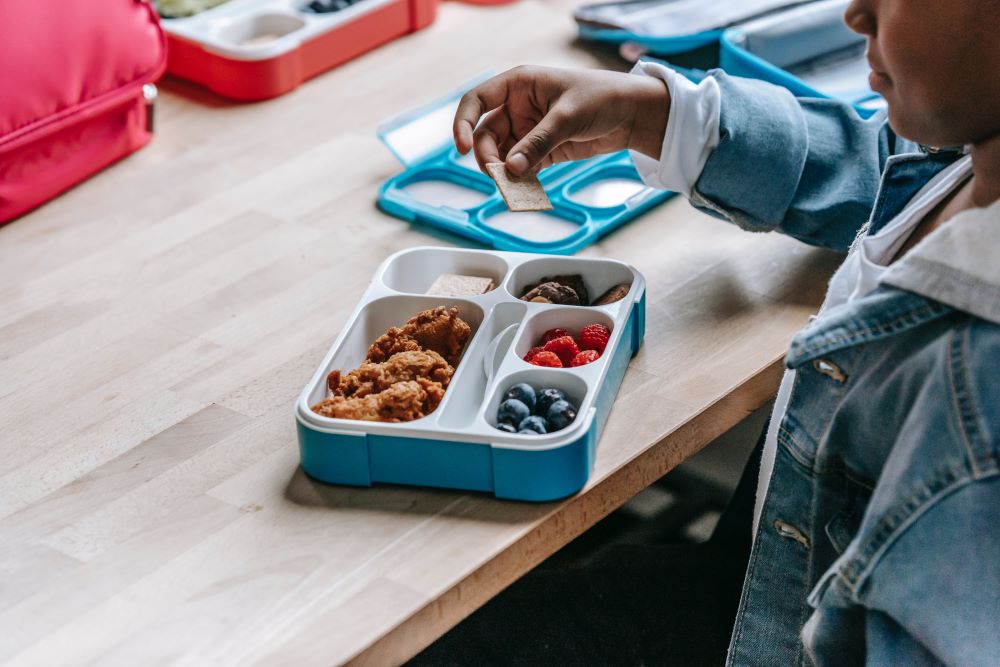 Photo by Katerina Holmes from Pexels
Sources:
How school cafeterias can shape student mental health, and what Wisconsin is doing about itCafeteria assessment for elementary schools (CAFES): development, reliability testing, and predictive validity analysisStudent perception of healthfulness, school lunch healthfulness, and participation in school lunch: The Healthy Communities StudyHow the quality of school lunch affects students’ academic performance
About Sara E. Teller
Sara is a credited freelance writer, editor, contributor, and essayist, as well as a novelist and poet with nearly twenty years of experience. A seasoned publishing professional, she's worked for newspapers, magazines and book publishers in content digitization, editorial, acquisitions and intellectual property. Sara has been an invited speaker at a Careers in Publishing & Authorship event at Michigan State University and a Reading and Writing Instructor at Sylvan Learning Center. She has an MBA degree with a concentration in Marketing and an MA in Clinical Mental Health Counseling, graduating with a 4.2/4.0 GPA. She is also a member of Chi Sigma Iota and a 2020 recipient of the Donald D. Davis scholarship recognizing social responsibility. Sara is certified in children's book writing, HTML coding and social media marketing. Her fifth book, PTSD: Healing from the Inside Out, was released in September 2019 and is available on Amazon. You can find her others books there, too, including Narcissistic Abuse: A Survival Guide, released in December 2017.