Scientists Claim There's a Link Between Depression and Dementia
Scientists Claim There's a Link Between Depression and Dementia
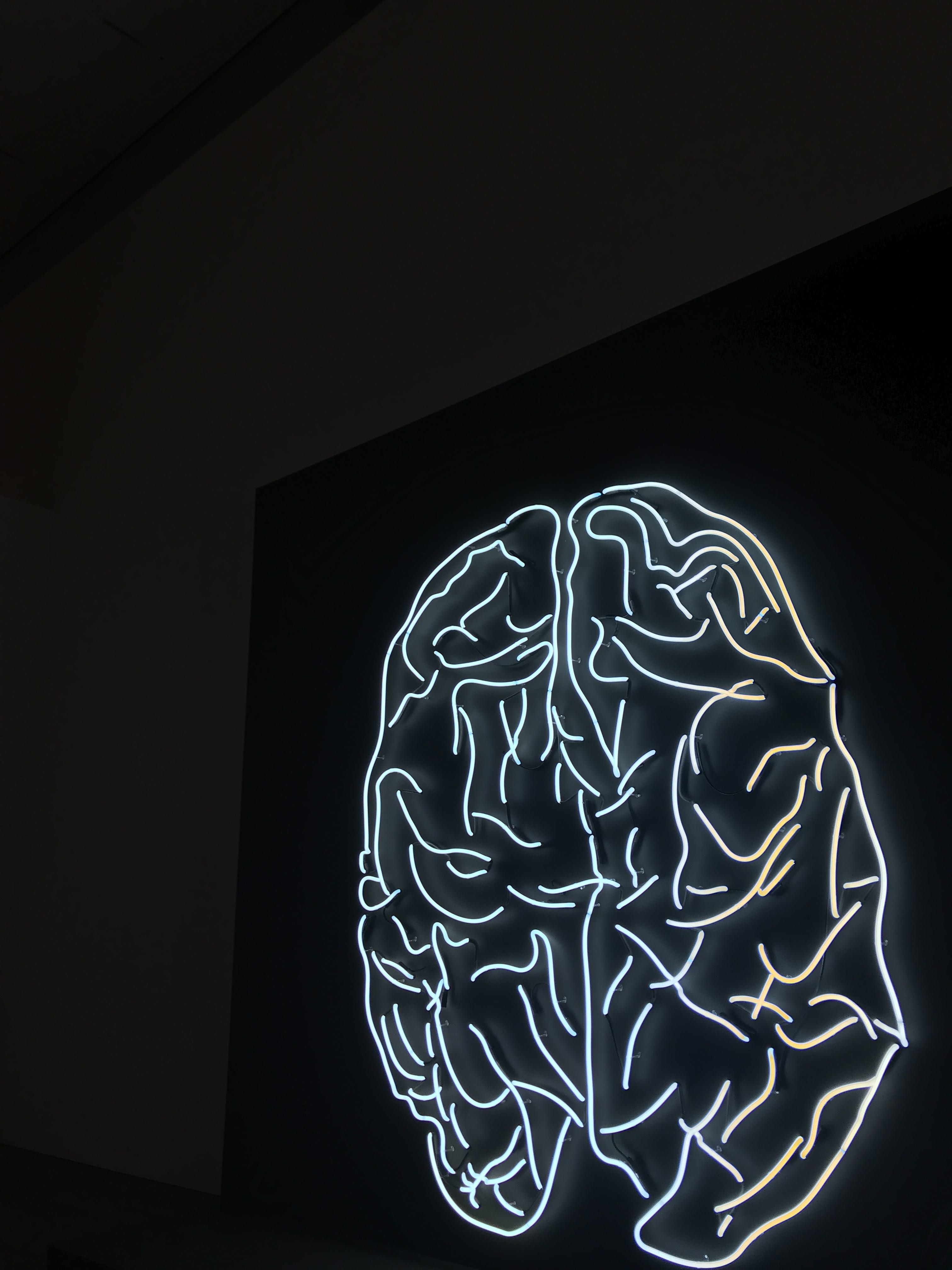
A new Swedish study found that men and women with depression were much more likely to develop dementia than those in the same age group without depression. Researchers accessed the Swedish National Patient Register and discovered 119,386 people over 50 with depression and matched them with the same number of people without a mental health diagnosis. “People with depression are at increased risk for dementia,” researchers reported of the link, “and the risk may persist for decades.”“This is an observational study that does not prove causation,” said the lead author, Peter Nordstrom, a professor of geriatrics at Umea University in Sweden. “If you are diagnosed with depression, that doesn’t mean that you are bound to have dementia.”According to the research, “Dementia developed in 5.7 percent of those with depression, compared to only 2.6 percent of those without depression, over an average follow-up of more than 10 years. Those with depression were more than 15 times as likely to develop dementia in the first six months after their depression diagnosis as their peers who were not depressed. That rate decreased rapidly but was still evident after 20 years.”
 Photo by Robina Weermeijer on Unsplash
Sources:
Depression May Elevate Dementia RiskDementia and DepressionDepression in dementiaDepression: Early warning of dementia?
About Sara E. Teller
Sara is a credited freelance writer, editor, contributor, and essayist, as well as a novelist and poet with nearly twenty years of experience. A seasoned publishing professional, she's worked for newspapers, magazines and book publishers in content digitization, editorial, acquisitions and intellectual property. Sara has been an invited speaker at a Careers in Publishing & Authorship event at Michigan State University and a Reading and Writing Instructor at Sylvan Learning Center. She has an MBA degree with a concentration in Marketing and an MA in Clinical Mental Health Counseling, graduating with a 4.2/4.0 GPA. She is also a member of Chi Sigma Iota and a 2020 recipient of the Donald D. Davis scholarship recognizing social responsibility. Sara is certified in children's book writing, HTML coding and social media marketing. Her fifth book, PTSD: Healing from the Inside Out, was released in September 2019 and is available on Amazon. You can find her others books there, too, including Narcissistic Abuse: A Survival Guide, released in December 2017.