Safety and Health Procedures in Medical Waste Management
Safety and Health Procedures in Medical Waste Management
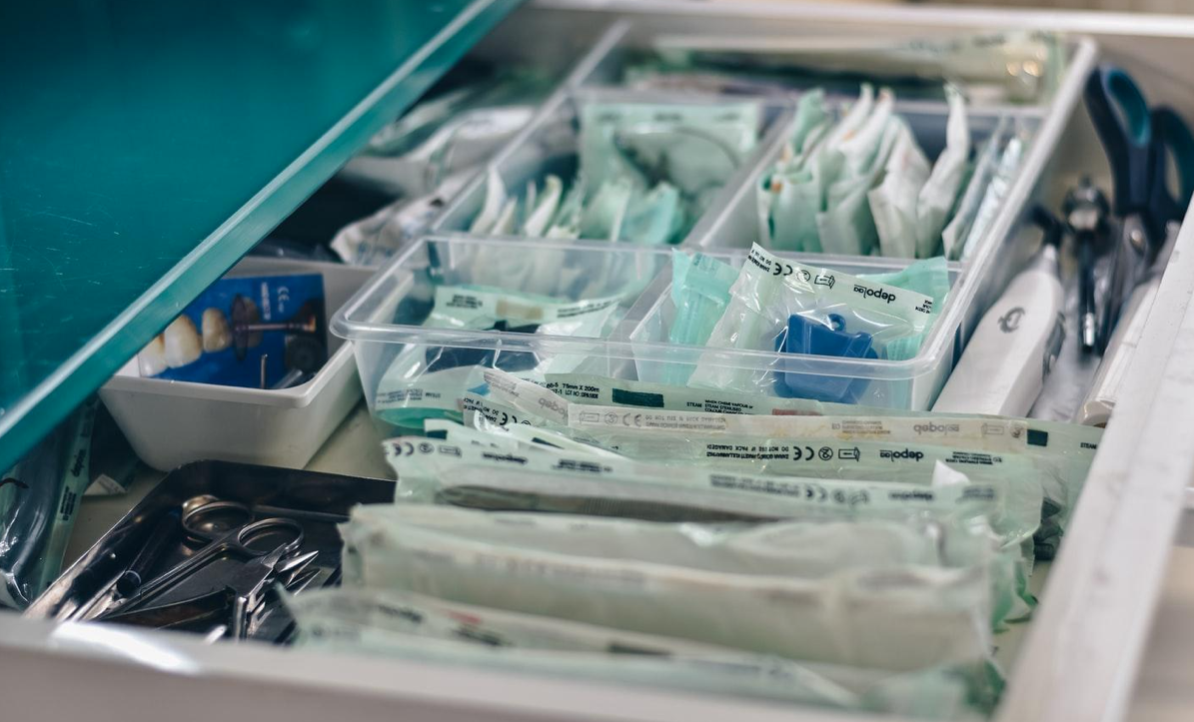
The health care system is integral to the well-being of a country. Hospitals, clinics, diagnostic laboratories, pharmacies, and other similar institutions all work together to ensure everyone is in good health.But keeping us in tip-top shape does have a toll on the environment, and public health and safety. As health workers strive to keep everyone healthy, these health care institutions generate a lot of potentially hazardous medical waste that needs to be disposed of correctly.General Tips on Managing Medical WasteAccording to collected data on medical waste, US hospitals generate almost 6 million tons of medical waste per year. Due to the dangerous nature of such wastes, stringent and specific protocols need to be implemented in order to handle them safely. Unsafe handling can be dangerous not just to personnel in charge of dealing with those wastes but also to the public who might get exposed to infectious maladies through improper disposal.Federal and local regulations are in place to curb out the risk. For medical waste generators, they need to follow these regulations and procedures for proper and safe medical waste disposal.Properly segregate wastes into respective binsMedical wastes fall into different kinds. Such wastes are categorized and placed in their respective waste bins. Categorization is important because each has its own way of safe disposal. Through proper segregation, medical waste disposal personnel would know which bin contains what kind of waste and, therefore, how it should be dealt with. As such, different bins must be designated and labeled for:
 Photo by Abyss on Unsplash
sharps wastes (used needles, scalpels, syringes, pipettes, glass slides, broken bottles, etc.)
pharmaceutical wastes (expired drugs and vaccines)
infectious waste (wastes contaminated with blood and body fluids, Petri dishes with cultured bacteria, materials that have been in contact with highly infectious patients in isolation wards, etc.)
pathological waste (human tissue samples, organs, body fluids)
cytotoxic waste (waste containing cytostatic or genotoxic materials often used in cancer therapy)
chemical waste (waste that contains chemical substances such as laboratory reagents, expired disinfectants, broken thermometers, acids, and bases, etc.)
radioactive waste (waste from radioactive sources such as X-ray films, liquids used in radiotherapy, etc.)
general wastes (ordinary wastes that do not pose any biological, chemical, physical, or radioactive hazards such as paper, plastic containers, pens, etc.)
sharps waste container – yellow or red with a biohazard symbol
pathological or cytotoxic waste container – yellow with a biohazard symbol
infectious waste container – yellow with biohazard symbol and the words “highly infectious”
chemical, pharmaceutical, or radioactive waste container – brown marked with a danger symbol
general waste container - black
About Lillian Connors
Lillian Connors is a Senior Content Developer at ACT-ENVIRO, with years of experience in developing content. Throughout her career, she always looked for ways to contribute to the environment in recycling efforts, while providing valuable information with her written articles. She’s deeply into green practices, cherishing the notion that sustainability not only makes us far less dependent on others regarding how we live and do business, but also contributes to our planet being a better place to live. When she is not trying to improve the things around her (and herself, for that matter), she likes to lose herself in a good book and sip on an occasional appletini.