
Rollover Crashes: Cheaper If They Die
Rollover Crashes: Cheaper If They Die
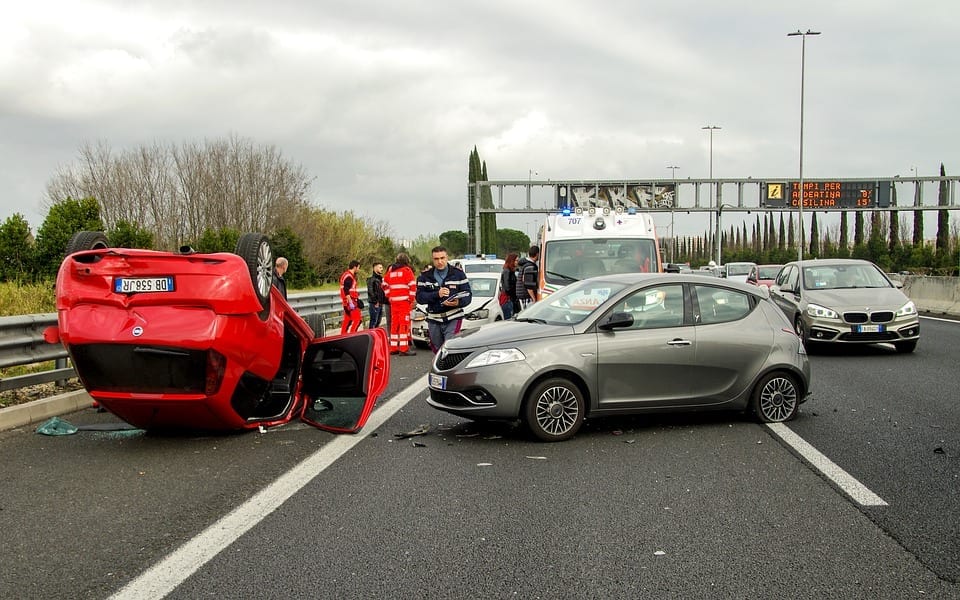
In 2007, Paula Lawlor held a national conference on rollover crashes. 1 At the time, I had recently retired from NHTSA, after nearly 30 years of auto safety research, hoping to advance URGENCY software to improve emergency medical care for crash victims. 2, 3, 4During my last weeks at NHTSA, I learned that CDC was issuing new Triage Guidelines for crash victims. What I was shocked about, and could not understand, was why an indicator of potential serious injury, “rollover and extrication,” had been removed from the widely used Triage Guidelines. “Rollover and extrication” had been in use by the Emergency Medical Community for nearly 20 years. During a coffee break at the Conference, I was sitting with people I did not know. But I asked: “Does anyone know why GM and Toyota would ‘donate’ to the CDC Foundation $250,000 each, to remove “Rollover and extrication” from the Triage Guidelines?”A man next to me looked at me as though I was naïve. He took a long breath and said: “Well, there are a few things you need to know.”“First, auto companies have a long list of outstanding rollover crash lawsuits against them.” [In my mind, I thought, “That makes sense because there are about 10,000 rollover fatalities each year and perhaps about 40,000 serious injury (brain, paraplegia, etc.) crashes each year.”]“Second, since ‘Rollover and extrication' have been in the American College of Surgeons’ Triage Guidelines for many years, it presents the companies with a legal hurdle that they have to overcome in court.” [In my mind, I thought, “I did not know that, but it makes sense.”]“Third, if the person dies, the companies face a cost of possibly $5 million if they lose. But, if the person lives with serious injuries, the company faces the possibility of $25 million if they lose. So, it is cheaper if they die.”
 Image by Pictures of Money, via Flickr, CC BY 2.0, no changes. See source.

About Lou Lombardo
Louis Lombardo runs a web site named "Care for Crash Victims." This is a project of a small business public benefit enterprise, Louis V. Lombardo, LLC. The mission is to improve care for crash victims before, during, and after a crash. Lou believes we are all crash victims -- past, present, and future -- as individuals, families, friends and society. Everyone is impacted by crashes as consumers, insurance premium payers, and taxpayers.