Categories | Featured Article Article

Research Suggests Cough Medicine Really Isn't That Effective
March 1st, 2019 Featured Article 3 minute read
Article Image

Research Suggests Cough Medicine Really Isn't That Effective

Most parents immediately turn to over-the-counter syrup when young ones are suffering from an unrelenting cough.  But, is reaching for over-the-counter medicine better than whipping up some chicken noodle soup, gargling salt water, or coming up with another concoction normally dismissed as simply a wives’ tale?“We've never had good evidence that cough suppressants and expectorants help with cough,” said Norman Edelman, MD, senior scientific advisor at the American Lung Association and pulmonologist at Stony Brook University School of Medicine. “But people are desperate to get some relief.  They're so convinced that they should work that they buy them anyway.”
Research Suggests Cough Medicine Really Isn't That EffectivePhoto by rawpixel on Unsplash

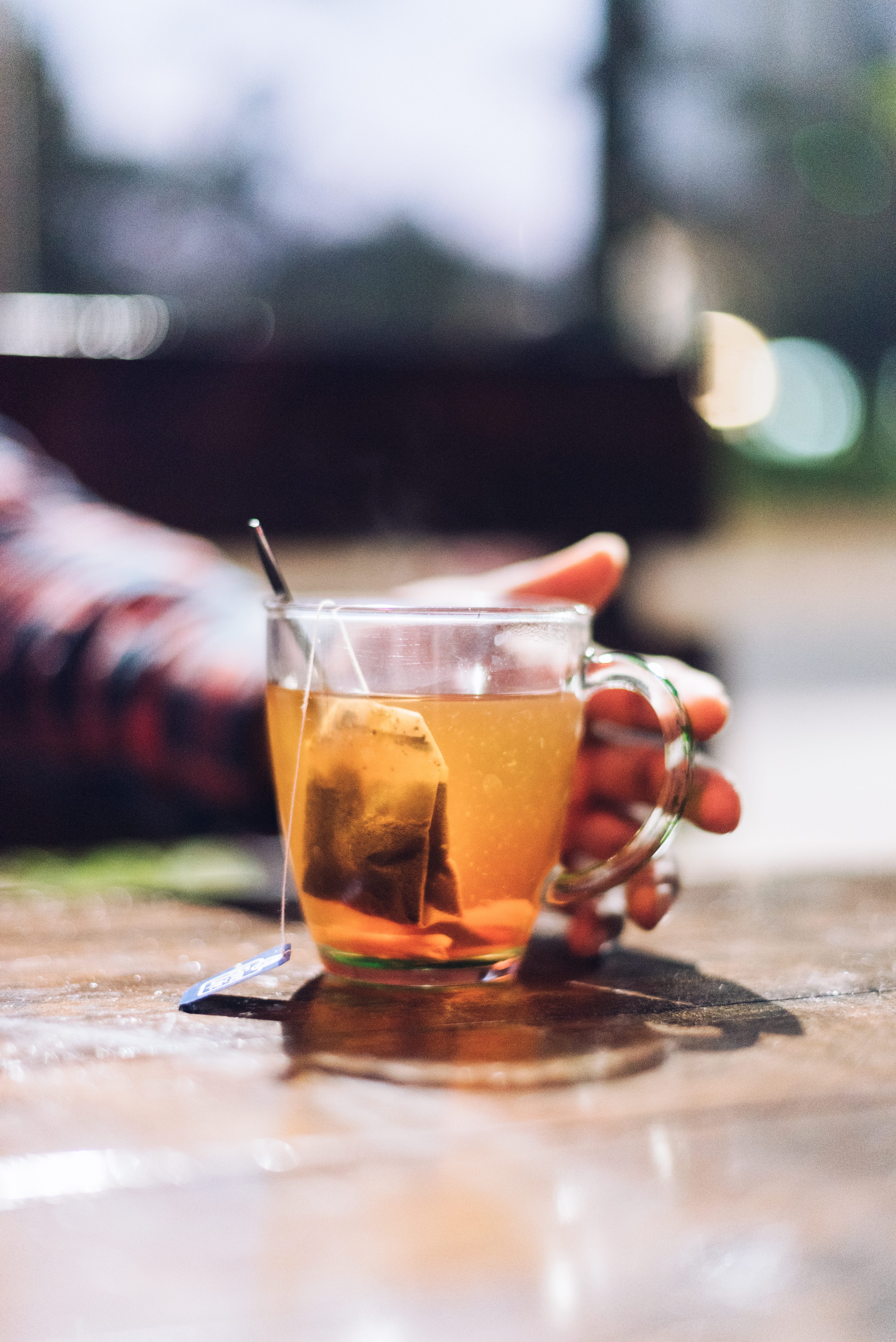
Perhaps we reach for name-brand remedies on store shelves because we’re desperate to quiet the noise or get suppress that lingering tickle.  In fact, “coughs are one of the leading reasons for visits to the doctor and trips to the drugstore, where shelf-long displays of nonprescription cough medicines can overwhelm even the most discerning consumer.  And Americans spend some $8 billion a year on over-the-counter cough and cold products.”As Edelman mentioned, convincing findings are lacking regarding the benefits of over-the-counter cough medicine, and doctors have suggested any significant benefit people get from such medicine is probably due primarily to the placebo effect.  By believing that dosing themselves will help, it tricks the brain into believing it has.  Research has shown, however, that cough syrups do not shorten the duration of a cough.Edelman believes this placebo effect is evident in other medicines, too, and is not specific to those needed to treat the common cough.  Oftentimes, if it comes in a bottle, can be readily purchased from the corner drugstore and claims to do something, people will buy it.  Buyers should beware the side effects of certain cough suppressants, though, including drowsiness and issues related to increasing blood pressure or causing one’s heart to race.  Edelman adds that these medications should never be given to children younger than four, and the American Academy of Pediatrics says there’s really no reason to dose any child under six years of age.Typical ingredients found on the labels of these medications include a cough suppressant, an expectorant, and an antihistamine.  These are designed to induce mucus to relief chest congestion, suppress allergy inflammation, and keep a cough at bay.  Edelman says that drinking hot tea infused with honey may relieve the cough part just as well.  He also added patients with chronic conditions such as asthma need o know ahead of time what they’re going to do should they develop a persistent cough.Dr. Edelman said, “People with asthma should have an action plan established in consultation with their doctor — what to do ‘in case’ a cough develops.”  In general, Edelman added, “It’s best to catch it early, when the inflammation just starts because it’s harder to treat when it’s well established.  People with a significant underlying health problem should not wait four weeks to see a doctor [and] if every winter you get cold after cold followed by a cough, you should see a doctor right away because it could represent an underlying problem.”

Sources:

The Case Against Cough MedicineCough Medicine: Should You or Shouldn’t You?

Sara E. Teller

About Sara E. Teller

Sara is a credited freelance writer, editor, contributor, and essayist, as well as a novelist and poet with nearly twenty years of experience. A seasoned publishing professional, she's worked for newspapers, magazines and book publishers in content digitization, editorial, acquisitions and intellectual property. Sara has been an invited speaker at a Careers in Publishing & Authorship event at Michigan State University and a Reading and Writing Instructor at Sylvan Learning Center. She has an MBA degree with a concentration in Marketing and an MA in Clinical Mental Health Counseling, graduating with a 4.2/4.0 GPA. She is also a member of Chi Sigma Iota and a 2020 recipient of the Donald D. Davis scholarship recognizing social responsibility. Sara is certified in children's book writing, HTML coding and social media marketing. Her fifth book, PTSD: Healing from the Inside Out, was released in September 2019 and is available on Amazon. You can find her others books there, too, including Narcissistic Abuse: A Survival Guide, released in December 2017.

Related Articles