
Pressure Ulcers vs Kennedy Terminal Ulcers: What’s the Difference?
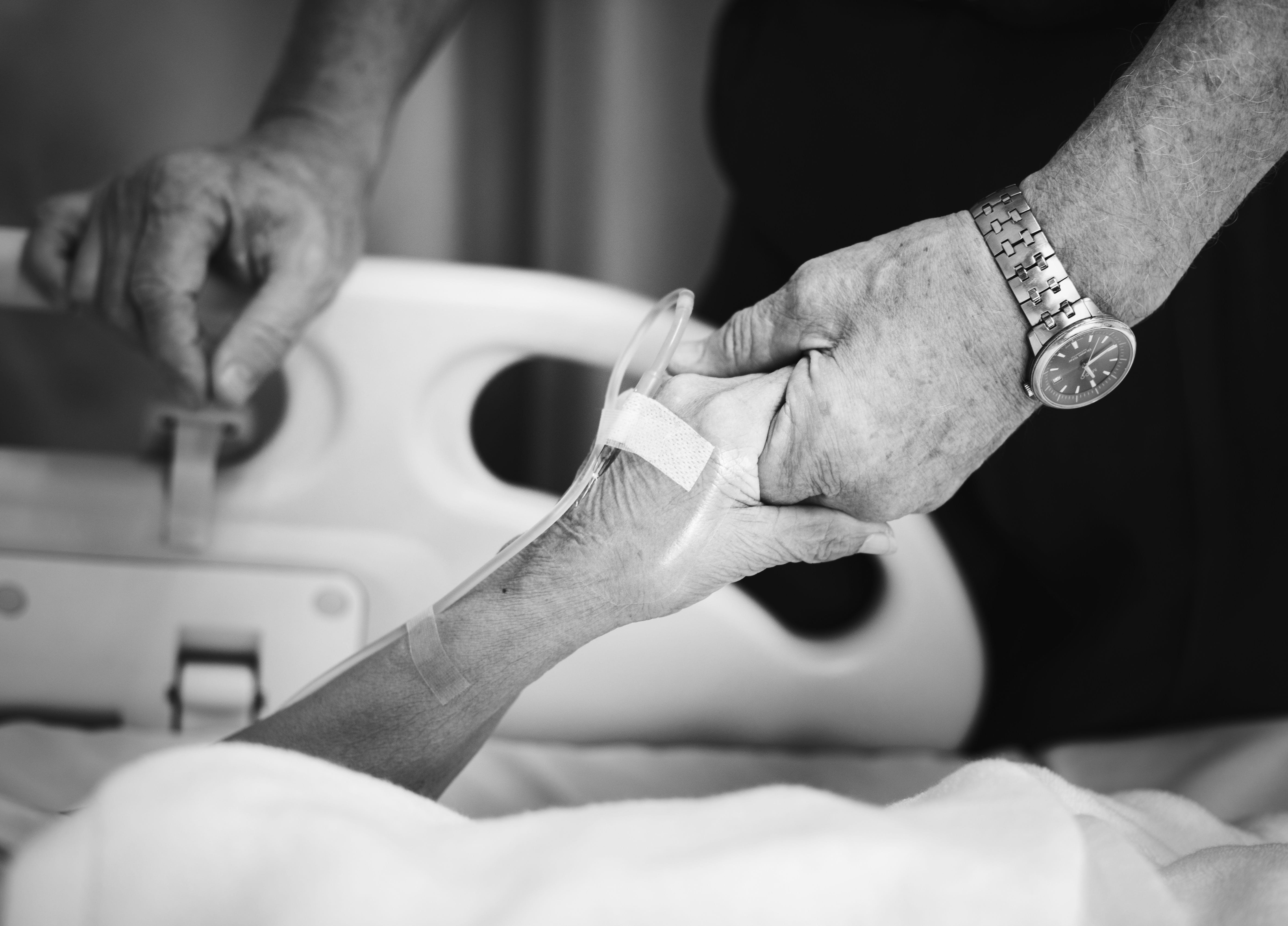
Pressure Ulcers vs Kennedy Terminal Ulcers: What’s the Difference?
As bodies age, they become more susceptible to a number of medical conditions—especially on the skin, which becomes thinner and more fragile over time. While it is not uncommon for an older person’s skin to become irritated more easily or to require lotion and increased care to avoid cracking and dry skin, the development of sores and ulcers are of significant concern. Nursing homes and hospitals must follow federal regulations to prevent wounds from developing on patients. Preventable wounds occur due to nursing negligence.Not all ulcers are the same, and understanding the difference between two of the most common—pressure ulcers and Kennedy terminal ulcers—is an important part of ensuring that your loved one is being treated with care and attention at a long-term care facility, hospital or nursing home.The Presence of Ulcers in Long-Term CareUlcers and sores are not rare occurrences in long-term care. However, this does not mean wounds are an acceptable outcome of a long term care residency.One of the most common varieties is the pressure ulcer, which is also sometimes referred to as a pressure sore, pressure injury or a bedsore. Any resident of a nursing home who develops a bed sore should be attended to immediately, and the family should investigate legal action against the nursing home for negligence. Bedsores are not an acceptable part of an aging loved one’s health situation.Conversely, a sore that at first glance appears to be a bedsore could turn out to be a Kennedy terminal ulcer. Kennedy ulcers are treated differently and do not arise from the same causes that create bed sores. Still, Kennedy ulcers are oftentimes misdiagnosed as pressure ulcers. Similarly, pressure ulcers are commonly misdiagnosed as Kennedy terminal ulcers if the patient is dying.It is vital that you understand the difference between the two so that you can advocate for proper care for your loved one or family member.The Difference Between Pressure Ulcers and Kennedy UlcersPressure ulcers and Kennedy terminal ulcers are not the same medical phenomenon. In fact, not only can they appear different visually, but they also progress at different rates and are caused by different factors. While a pressure ulcer is an indication of negligence and abuse in nursing home care, Kennedy terminal ulcers arise on their own and offer a critical indication of a person’s health decline, oftentimes signaling the dying process.Pressure UlcersPressure ulcers are often referred to simply as pressure sores or bed sores. They arise—as may be expected from their name—due to pressure placed on the skin for an extended period of time. Most often, this occurs when an elderly person is lying down and struggles to move on their own without assistance.Over time, pressure builds up in the skin areas that are in contact with the bed or chair. This pressure placed on the skin, most commonly in the areas surrounding the tailbone, buttocks, elbows, and shoulder blades, reduces proper circulation and puts strain on the flesh. Left like this for hours, the skin can begin to degrade, forming an ulcer.Once an ulcer has begun to form on the skin, it must be treated immediately to prevent the injury from becoming worse. Continued pressure on the area will cause further skin degradation, which causes the sore to become deeper. The most severe bed sores can go untreated for so long that the skin fully degrades all the way down to the bone.These pressure ulcers can develop over the course of weeks and remain with a patient for months, even years.Unsurprisingly, pressure ulcers are extremely dangerous and painful. As open wounds, they leave their victims susceptible to sepsis and other infections that could prove fatal. This is why prevention of bedsores is a critical aspect of the staff’s job at a nursing home.Are Pressure Ulcers Preventable?Pressure ulcers are simple to prevent — just move the at-risk patient.
 Image by Kari Shea, via Unsplash.com.
About Michael Brevda, Esq.
Michael Brevda, Esq. is a Florida attorney specializing in nursing home abuse and neglect litigation. Brevda is the managing partner of Senior Justice Law Firm, a firm comprised of nursing home negligence attorneys. Michael Brevda can be reached by visiting SeniorJustice.com or by calling 888-375-9998.