
Categories | News & Politics Article

Piquí­n Chili: The High Antioxidant Potential of this Little-known Pepper
April 29th, 2024 News & Politics 4 minute read
Article Image

Piquí­n Chili: The High Antioxidant Potential of this Little-known Pepper

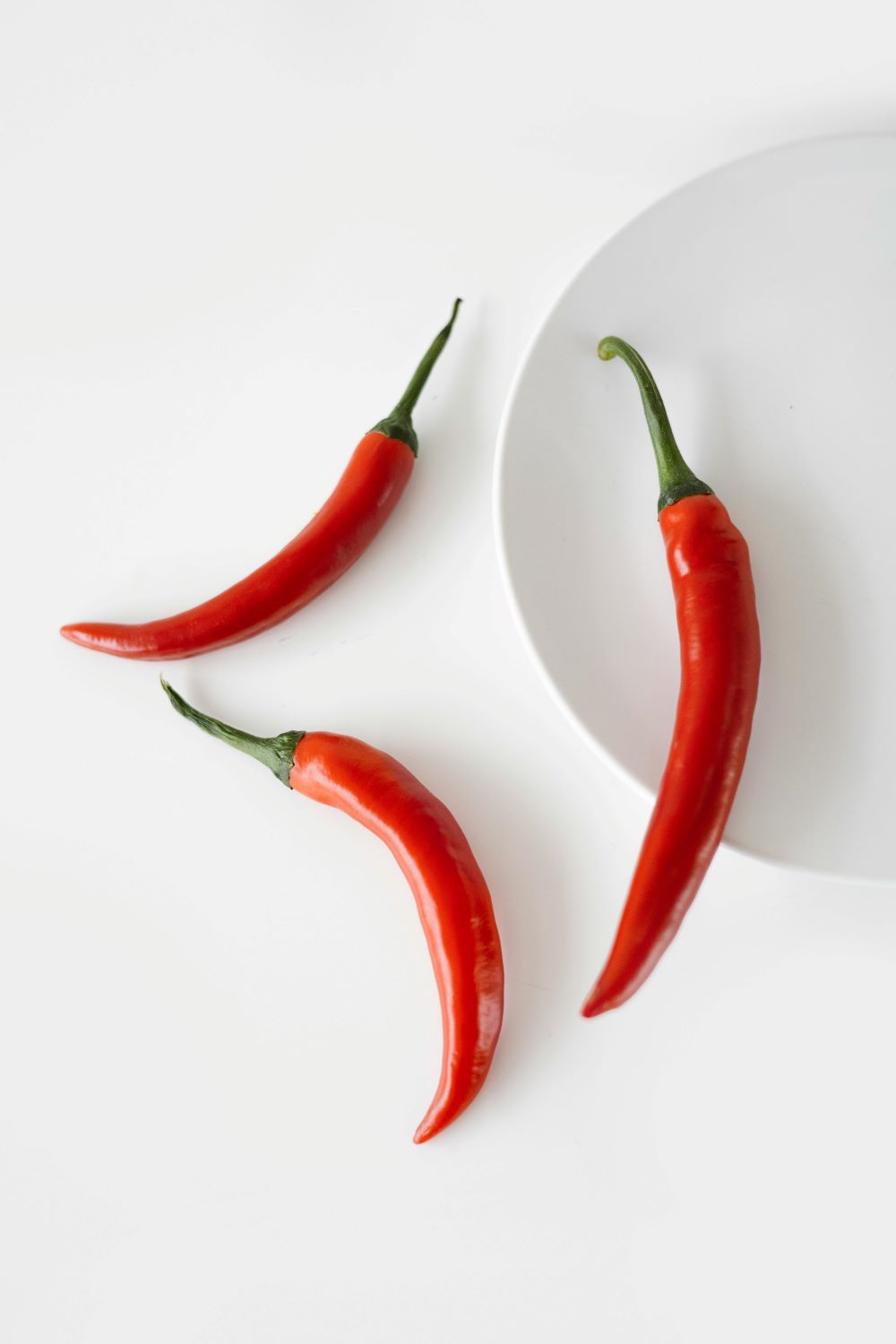
Recent research has cast a spotlight on the piquí­n chili, a variety of Capsicum annuum, discussing its significant nutritional potential due to a rich composition of metabolites like capsaicinoids, carotenoids, and flavonoids. A study published in the journal Frontiers in Nutrition by researchers in Mexico provides a comprehensive analysis of these components, discussing the chili's health benefits, particularly its antioxidant properties.Piquí­n chili, also known as Capsicum annuum var. glabriusculum, is native to regions stretching from the southern United States to Central America. This chili is distinguished by its high content of various phytochemicals, which not only contribute to its pungent flavor and vibrant color but also offer considerable health benefits. Carotenoids, for example, impart a yellow to red color as the fruit ripens and play a crucial role as antioxidants in the human diet.The study emphasizes that the highest benefits from carotenoids are obtained when piquí­n chilis are consumed at full maturity. It is during this stage that the chilis exhibit the greatest antioxidant activity due to the peak levels of carotenoids. Additionally, the conditions under which the chilis are matured—preferably in natural, unshaded light—significantly affect their carotenoid content.
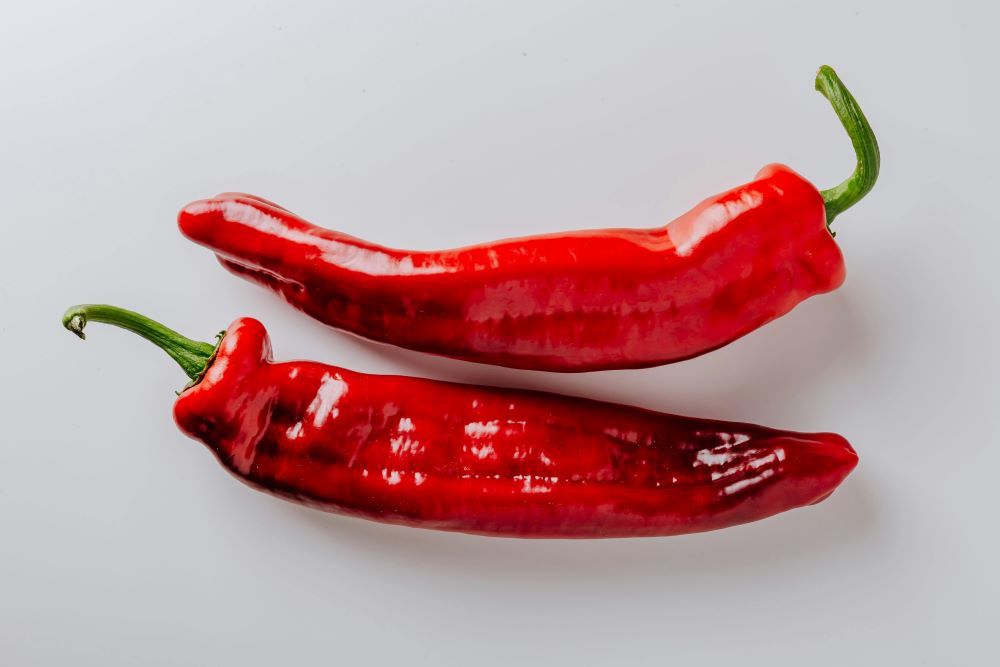
Piquí­n Chili: The High Antioxidant Potential of this Little-known PepperPhoto by Karolina Grabowska from Pexels

Capsaicinoids, another key group of compounds found in piquí­n chilis, are noted for their health-promoting properties. These include antiangiogenic (preventing the growth of new blood vessels that tumors need to grow), thermogenic (promoting calorie burning), and antimicrobial effects. The content of capsaicinoids in the chilis does not vary significantly between the immature and mature stages; however, it is influenced by the growing conditions. The study indicates that chilis grown in greenhouses tend to have higher levels of capsaicin and dihydrocapsaicin.Volatile compounds in piquí­n chilis also play an essential role in their appeal, influencing both the flavor and aroma. The study details how the profile of these volatile compounds evolves as the chili ripens. The immature green fruits are described as having an herbal and fruity aroma, a characteristic that changes as the fruit matures, leading to a decrease in ester content and an increase in other compounds, enhancing both aroma and flavor.The researchers advocate for the optimal cultivation of nutraceutical plants like piquí­n chilis, emphasizing the need to understand the genetic and environmental factors that maximize the production of beneficial compounds. They highlight that cultivating these plants under conditions that mimic their natural habitat can lead to higher concentrations of nutraceutical compounds, offering greater health benefits.Furthermore, the study calls for better management and conservation of these valuable natural resources, pointing out the importance of traditional knowledge, especially from rural, indigenous, and native communities, in understanding the phenological and productive cycles of wild plants.The research into piquí­n chili's nutraceutical properties emphasizes the broader implications of incorporating naturally antioxidant-rich foods into our diets. As global interest in health and wellness continues to grow, studies like this highlight the critical role of biodiversity in nutrition and health. Piquí­n chili, with its array of beneficial compounds, represents not just a culinary delight but a significant health resource. Encouraging the cultivation and consumption of such plants could play a crucial role in preventative health care, reducing the reliance on medical interventions by enhancing natural disease resistance through diet. This adds an important dimension to public health discussions, advocating for agricultural and dietary diversity as a new approach to improving global health outcomes.This shows that the piquí­n chili not only offers culinary benefits but also stands out as a potent source of antioxidants, which are vital for health maintenance and disease prevention. The research suggests the importance of dietary sources of antioxidants and supports the inclusion of piquí­n chili in diets for its numerous health benefits.

Sources:

Piquin chili's health benefits spotlighted due to high antioxidant contentPiquí­n chilis chili, a wild spice: natural variation in nutraceutical contentsAntioxidant, Anti-Obesity, Nutritional and Other Beneficial Effects of Different Chili Pepper: A ReviewOverview of the Potential Beneficial Effects of Carotenoids on Consumer Health and Well-Being 

Sara E. Teller

About Sara E. Teller

Sara is a credited freelance writer, editor, contributor, and essayist, as well as a novelist and poet with nearly twenty years of experience. A seasoned publishing professional, she's worked for newspapers, magazines and book publishers in content digitization, editorial, acquisitions and intellectual property. Sara has been an invited speaker at a Careers in Publishing & Authorship event at Michigan State University and a Reading and Writing Instructor at Sylvan Learning Center. She has an MBA degree with a concentration in Marketing and an MA in Clinical Mental Health Counseling, graduating with a 4.2/4.0 GPA. She is also a member of Chi Sigma Iota and a 2020 recipient of the Donald D. Davis scholarship recognizing social responsibility. Sara is certified in children's book writing, HTML coding and social media marketing. Her fifth book, PTSD: Healing from the Inside Out, was released in September 2019 and is available on Amazon. You can find her others books there, too, including Narcissistic Abuse: A Survival Guide, released in December 2017.

Related Articles