'On-Q' a Proposed Solution for Reducing Opioid Use After C-Sections
'On-Q' a Proposed Solution for Reducing Opioid Use After C-Sections
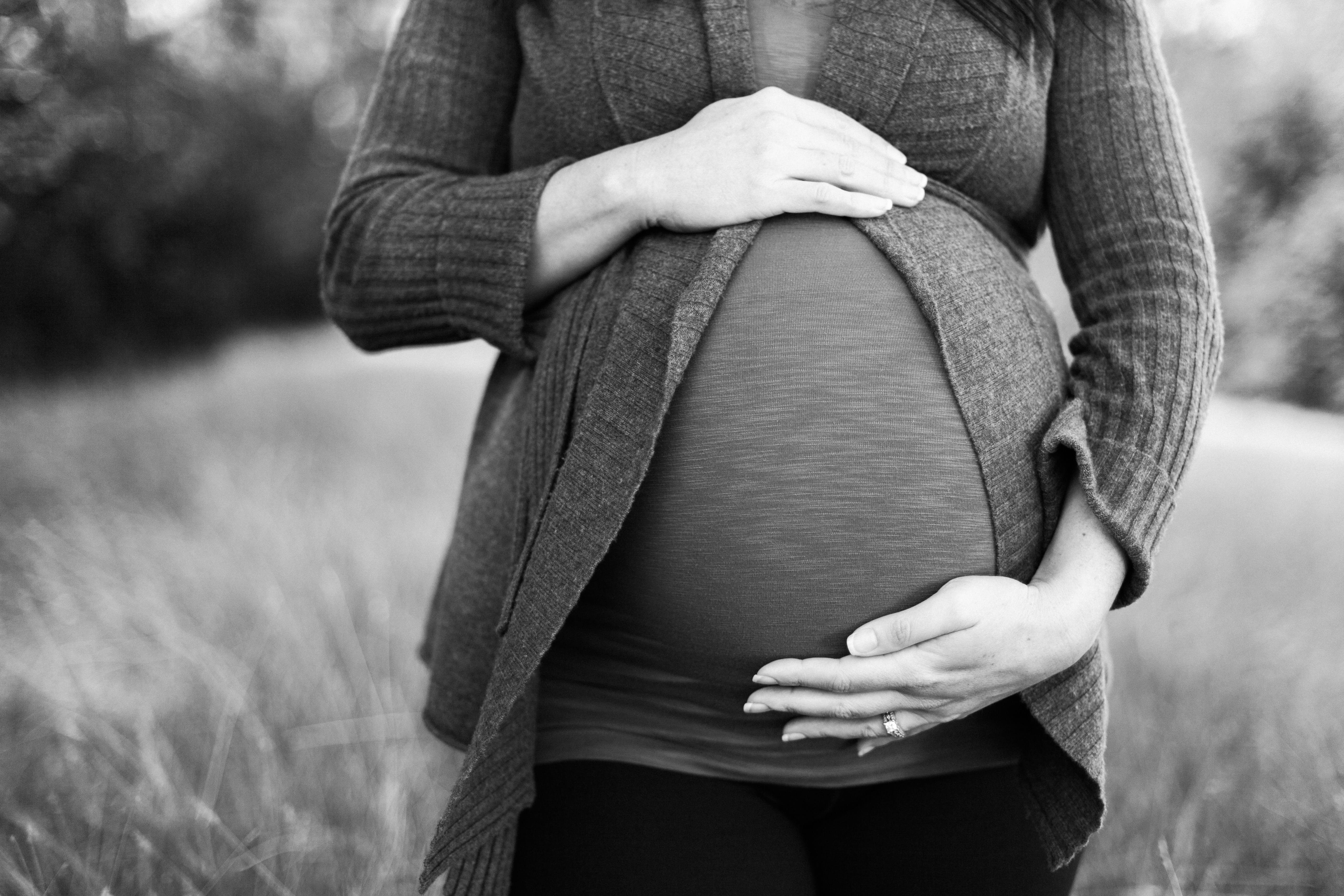
37-year-old Katrina Bowman’s blood pressure started rising one day in 2018 when she was seven months into a pregnancy that had not been an easy one. Bowman had suffered severe preeclampsia and was told a cesarean section (C-section) was likely the only solution to ensure her baby was delivered without complications. Sure enough, her daughter, Kinley, was delivered via a C-section prematurely a short time later.“I wanted a C-section,” said Bowman, a nurse at OhioHealth Riverside Methodist Hospital. “It’s probably the surgical nurse in me...Surgery is my life. It seemed more controlled and planned out.”Instead of opting for opioids to numb her pain, however, she knew she wanted to enter the “On-Q Pain Relief System,” informally called the “pain ball” by many medical personnel. The pain ball delivers a nonaddictive anesthetic through a catheter directly to surgical incisions, and it’s an opioid alternative being used to help moms who have had C-sections handle post-surgery discomfort while offering a solution to the addiction epidemic.Bowman was up and moving within 24 hours after her daughter was successfully delivered. “It was amazing,” she said.Dr. Anita Somani has been an OBGYN for more than twenty-five years. Somani said the problem of patients become addicted to prescription opioids lies in the amount of opioids they are given and how long the medication is prescribed. “Most studies show that if you only take [opioids] for seven days and you don’t get refills, you’re less likely to then become addicted. It’s the people who are getting multiple prescriptions, they tend to become more dependent.”
 Photo by William Stitt on Unsplash
Sources:
‘Pain balls’ cut opioid use in new moms after C-sectionsAvanos Medical to reduce opioid use with pain management pump
About Sara E. Teller
Sara is a credited freelance writer, editor, contributor, and essayist, as well as a novelist and poet with nearly twenty years of experience. A seasoned publishing professional, she's worked for newspapers, magazines and book publishers in content digitization, editorial, acquisitions and intellectual property. Sara has been an invited speaker at a Careers in Publishing & Authorship event at Michigan State University and a Reading and Writing Instructor at Sylvan Learning Center. She has an MBA degree with a concentration in Marketing and an MA in Clinical Mental Health Counseling, graduating with a 4.2/4.0 GPA. She is also a member of Chi Sigma Iota and a 2020 recipient of the Donald D. Davis scholarship recognizing social responsibility. Sara is certified in children's book writing, HTML coding and social media marketing. Her fifth book, PTSD: Healing from the Inside Out, was released in September 2019 and is available on Amazon. You can find her others books there, too, including Narcissistic Abuse: A Survival Guide, released in December 2017.