
New Drug Could Treat Rare Blood Cancer
New Drug Could Treat Rare Blood Cancer
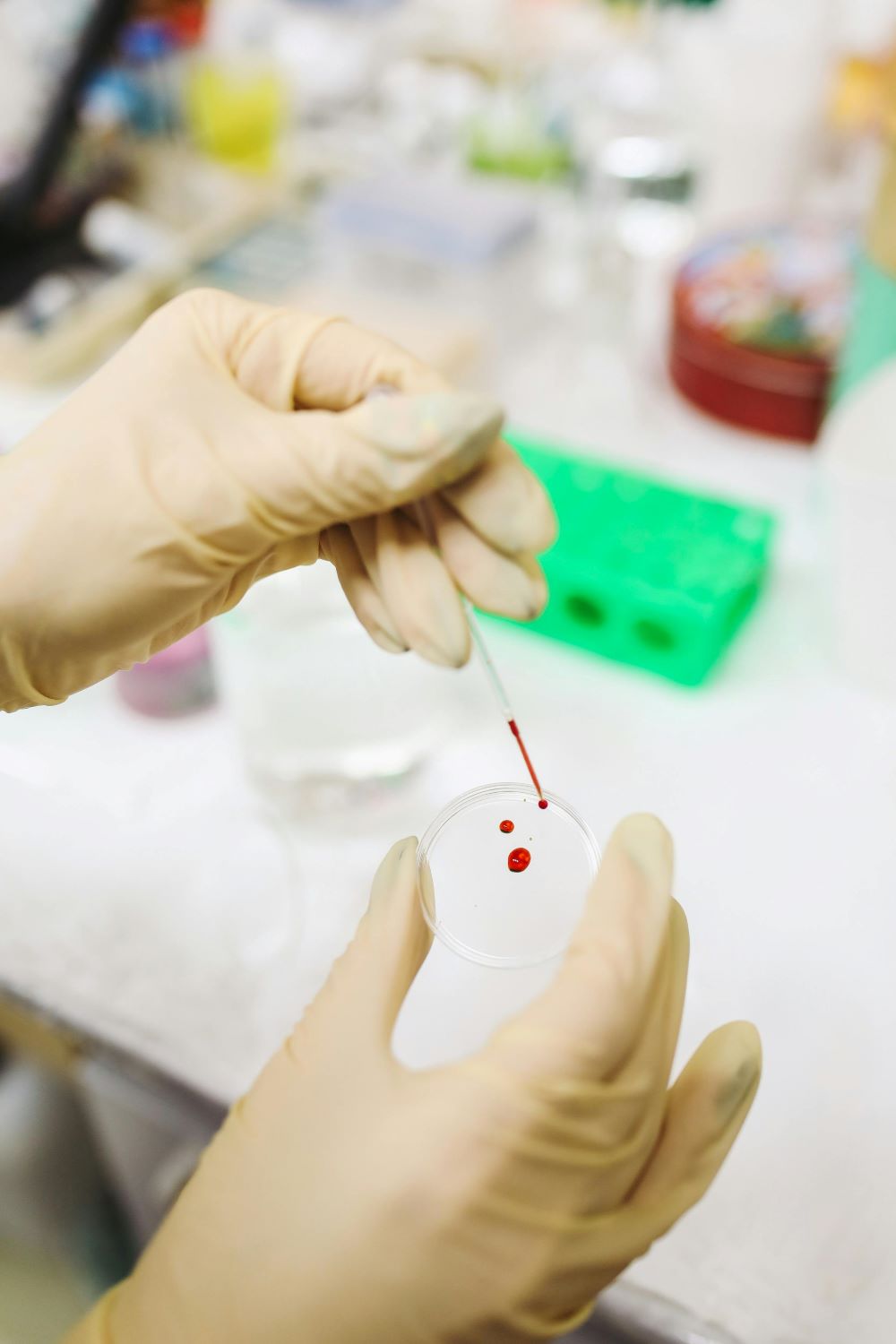
In a potential breakthrough against the rare blood cancer, polycythemia vera, a newly developed drug called rusfertide. This drug has actively shown a very positive results in a recent clinical trial. Dr. Marina Kremyanskaya led the study, being a hematology and medical oncology expert. She emphasized the unique approach of rusfertide in limiting the availability of iron for blood cell production.The clinical trial, funded by Protagonist Therapeutics and published in the New England Journal of Medicine on Feb 21, involved 70 polycythemia vera patients across 16 medical centers. Notably, rusfertide showed promise in providing improved and sustained control over excess red blood cell production during the seven-month treatment period.This is a relatively rate type of cancer that characterizes itself as a chronic blood disorder. In this disease, there is a rapid overproduction of red blood cells within the bone marrow. This condition falls under the umbrella term of myeloproliferative neoplasms. This is a group of disorders where the bone marrow produces too many blood cells. PV specifically involves the overproduction of red blood cells, although it can also affect white blood cells and platelets.Individuals with polycythemia vera typically have an elevated red blood cell count, which can lead to a thickening of the blood, making it more prone to clotting. This increased viscosity can result in serious health complications, including blood clots, strokes, and heart attacks. Additionally, the excessive red blood cells can impair circulation and oxygen delivery to tissues and organs, leading to symptoms such as fatigue, headaches, dizziness, and itching, especially after exposure to warm water.
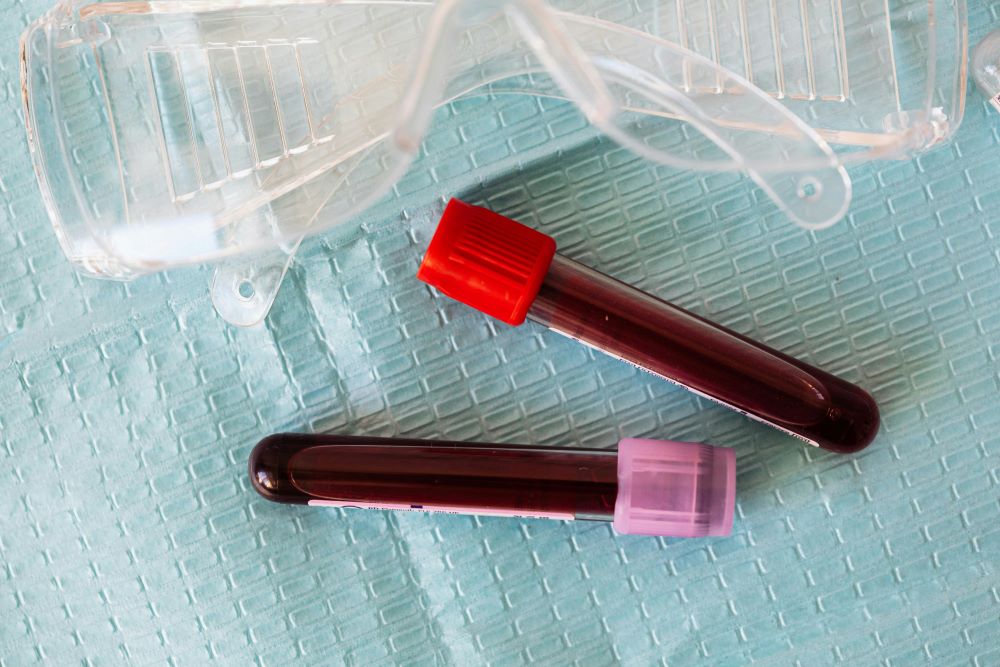 Photo by Polina Tankilevitch from Pexels
Phlebotomy: This procedure involves the removal of blood from the body to reduce blood volume and lower red blood cell counts.
Medications: Patients may be prescribed medications such as hydroxyurea, interferon-alpha, or ruxolitinib to suppress the bone marrow's production of blood cells and reduce the risk of blood clots.
Aspirin therapy: Low-dose aspirin may be recommended to prevent blood clot formation in individuals with PV.
Supportive care: Patients may receive supportive treatments to manage symptoms such as itching, fatigue, and enlarged spleen.
Sources:
New Drug Could Be Big Advance Against Rare Blood Cancer
Polycythemia vera: historical oversights, diagnostic details, and therapeutic views Polycythemia vera: 2024 update on diagnosis, risk-stratification, and management
About Sara E. Teller
Sara is a credited freelance writer, editor, contributor, and essayist, as well as a novelist and poet with nearly twenty years of experience. A seasoned publishing professional, she's worked for newspapers, magazines and book publishers in content digitization, editorial, acquisitions and intellectual property. Sara has been an invited speaker at a Careers in Publishing & Authorship event at Michigan State University and a Reading and Writing Instructor at Sylvan Learning Center. She has an MBA degree with a concentration in Marketing and an MA in Clinical Mental Health Counseling, graduating with a 4.2/4.0 GPA. She is also a member of Chi Sigma Iota and a 2020 recipient of the Donald D. Davis scholarship recognizing social responsibility. Sara is certified in children's book writing, HTML coding and social media marketing. Her fifth book, PTSD: Healing from the Inside Out, was released in September 2019 and is available on Amazon. You can find her others books there, too, including Narcissistic Abuse: A Survival Guide, released in December 2017.