
Natural Meat May Not Be What You Expect
Natural Meat May Not Be What You Expect
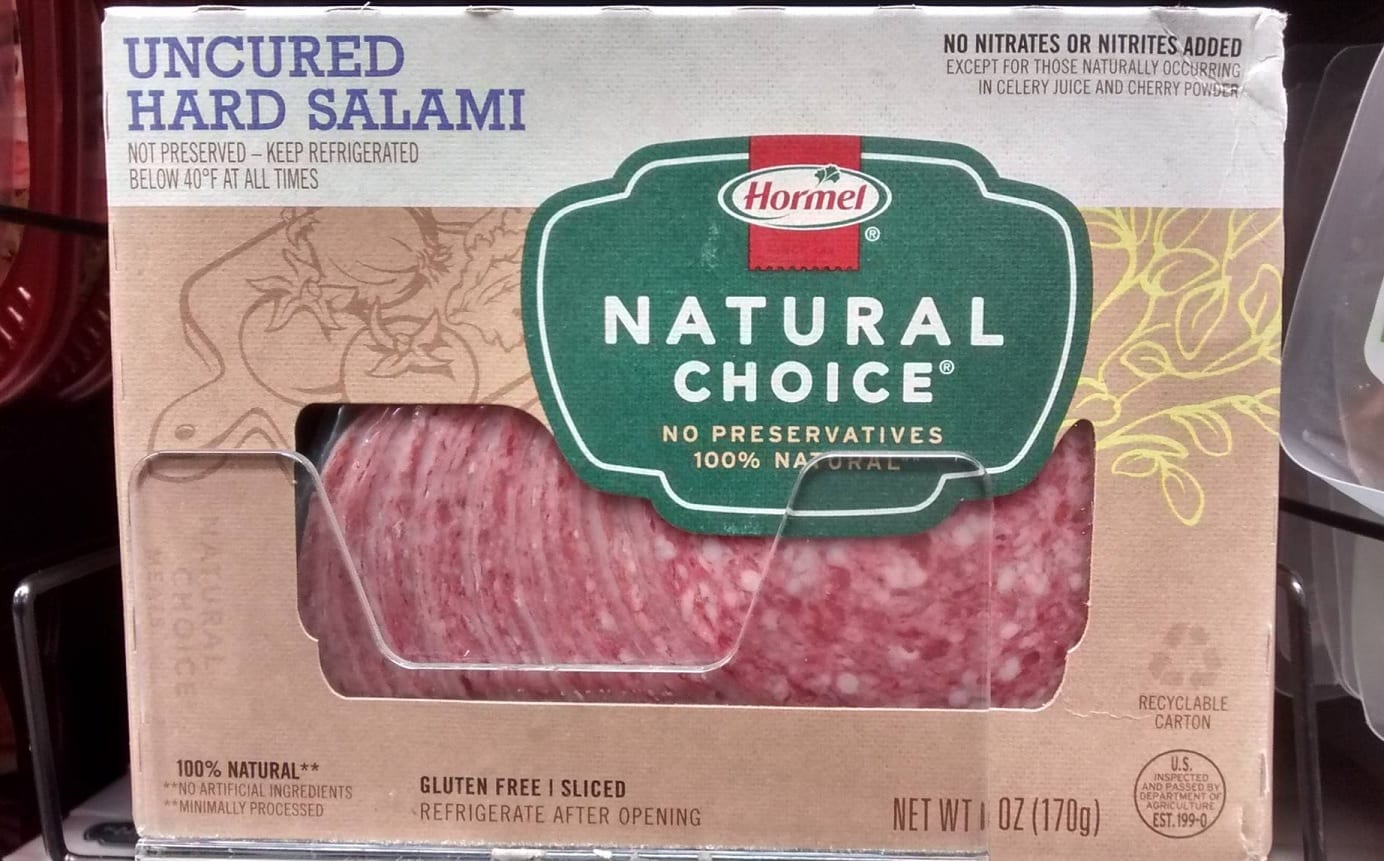
Last week, the Superior Court of the District of Columbia dismissed a lawsuit filed in 2016 by the Animal Legal Defense Fund (ALDF) against Hormel Foods Corporation. The suit alleged that Hormel misled customers with their “Natural Choice” meat packaging. Comforting “unbleached” brown paperboard and the promise of natural meat inside the box may have convinced customers looking for healthier, more ecologically friendly food that they were getting something other than what Hormel is selling. What's the difference, and why does it matter?What does the claim of “natural meat” mean to you? A survey conducted by Consumer Reports in 2014 asked shoppers what they thought they were getting when they bought a package of what claimed to be natural meat. A majority of respondents expected a product without growth-promoting hormones, antibiotics, GMO-based feed, artificial ingredients or additives, and that the animals had room to roam.However, what consumers want to believe about the term “natural” is quite different from the meaning as used by food producers and processors. While Hormel's director of marketing admitted that many consumers expect natural meat to be raised without antibiotics, the suit was tossed out of court because, really, all a “natural” product needs to be is free of artificial ingredients and minimally processed. That's it. Broad legal and industry definitions for the term are why products like cheezy-puffs, creme-filled cookie treats, and peanut butter full of palm oil and sugar can be called “natural.” It's why Hormel can use the same antibiotic- and hormone-injected, factory-farmed pigs whose hams are ground up into cans of Spam to be the main ingredient in their Natural Choice brand meat products. Companies like Hormel are not obligated to give customers what they might ethically expect, only what's legal.With surprising candor, Bloomburg's report on the Hormel case acknowledged an important truth: most animals raised for food in the United States live drugged-up, miserable lives, but this is “a system that allows [Americans] to eat as much beef, pork, turkey and chicken as they want—no matter where they live or the time of year.”
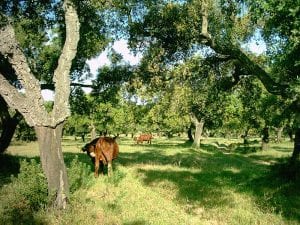 Dehesa, a Spanish/Portuguese system of agroforestry that produces meat as well as a diversity of other products like timber, mushrooms, wild game, honey, and cork. Image courtesy of Wikimedia Commons, CC BY-SA 2.5.
Sources:
Hormel Lawsuit Reveals What ‘Natural Meat' Really Means
The Stomach-Turning Truth Behind Hormel’s “Natural” Pork
'Natural' labels on meat probably don't mean what you think they do
‘Natural’ Means Practically Nothing When It Comes to Food
Eating The Platter Clean
Can you really be a conscious carnivore?
Plant Diversity in Pasture Improves Animal Productivity
Part one: Supersizing “pasture-raised”
Silvopasture Can Mitigate Climate Change. Will U.S. Farmers Take it Seriously?
If you want to save the world, veganism isn’t the answer
Clean Food: If You Want to Save the World, Get Over Yourself.
Drought Busters: Restoring Desertified Desert Grasslands
The Case for Sustainable Meat

About Dawn Allen
Dawn Allen is a freelance writer and editor who is passionate about sustainability, political economy, gardening, traditional craftwork, and simple living. She and her husband are currently renovating a rural homestead in southeastern Michigan.