
mTBI: The Signs You May Have Had It without Knowing
mTBI: The Signs You May Have Had It without Knowing
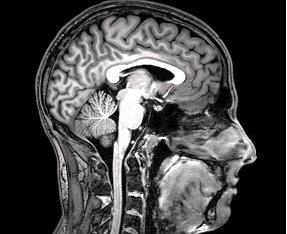
Nearly three million Americans experience a traumatic brain injury every year, but the number may be much greater as the bulk of mild traumatic brain injuries (mTBIs) go either undiagnosed or misdiagnosed.However, recent research suggests that even mTBIs, when left untreated, may affect how the brain works later down the road, upping the injured person’s risk of Parkinson’s disease and dementia. Unfortunately, many people sustain mTBIs and do not even know it.What is a Mild TBI?A mild traumatic brain injury, commonly referred to as a concussion, is an injury to the head that may affect awareness for a few minutes. Most mTBIs are caused by direct blows to the head or a violent and sudden forward-backward motion known as whiplash.Common scenarios that may lead to an mTBI include falling off bicycles, being involved in motor vehicle accidents, slipping from the stairs, and experiencing physical violence, especially in domestic settings. The shock waves from explosive blasts and full-contact sports may also cause this type of brain injury.The age groups with the highest risk of mTBIs are small children and people aged 75 or older. The latter sustain such injuries mainly due to age-related falls.TBIs may qualify as a catastrophic injury, according to this St. Paul catastrophic injury attorney, which entitles victims to extra compensation, and so do some mTBIs, especially if they are accompanied by long-lasting symptoms (more on that in a bit).Medical doctors classify a mild TBI as a brain injury that falls between 13 and 15 on the Glasgow Coma Scale (GCS), a standard used to measure a patient’s level of awareness and alertness after a head injury. A solid 15 on the scale means that the patient is fully conscious. A score of three means that the patient is already in a deep coma. A score between nine and 12 signals a moderate TBI, which requires immediate medical attention.
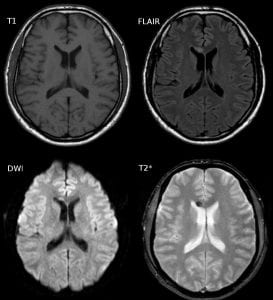 Diffuse axonal brain injury; image by Hellerhoff, via wikimedia.com, CC BY-SA 3.0, no changes.
You’ve had a recent fall.
You were involved in a traffic collision.
You were injured while playing sports.
You were the victim of a natural disaster.
Domestic abuse is an issue in your household.
Sleep issues
Tiredness
Recurring headaches
Loss of taste or smell
Loss of appetite
Low or no sex drive
Dizziness
Nausea
Vision issues
Limb tremor
Partial hearing loss
Ringing in the ears (tinnitus)
Temporary memory loss
Memory issues
Confusion
Slow thinking
Inability to find words easily
Inability to focus
Being easily distracted.
Mood swings
Impatience
Anger management issues
Avoidant behavior
Apathy
Depression
Feelings of guilt or shame
Feelings of hopelessness, etc.
About Wilma Williams
Wilma Wiliams is a law school graduate and a part-time freelance blogger, focused on various legal topics such as personal injury, and bankruptcy. She’s passionate about educating the public on fighting for their rights, which is why she’s currently collaborating with asklawyersforjustice.com, whilst actively sharing a part of her experience as a former lawyer.