Meth is as Big as Opioids, but is Being Overlooked
Meth is as Big as Opioids, but is Being Overlooked
According to the Spokane Regional Health District, in 2017, more than five times the number of people were treated at Spokane hospitals as a result of amphetamine-related ailments compared to 2008. Last year, 1,108 people were hospitalized after consuming amphetamines. These numbers are higher than the national average of hospitalizations due to consumption of these drugs and illegal meth use is becoming just as prevelant as opioids.In the seven-year span from 2008 to 2015, amphetamine admissions are up nationally by 245 percent, according to a study in the Journal of the American Medical Association. In Spokane during that same time period, amphetamine-related hospitalizations rose by 280 percent.“In our community and broadly across the West Coast, we’re seeing a real significant uptick in methamphetamine usage,” said Dr. Bob Lutz, health officer for the Spokane Regional Health District. “Methamphetamine is back in a big, big way that’s paralleling illicit opioid use.”Meth use only accounts for part of the issue. Other, legal drugs have also led to hospitalizations. Prescription medication for attention deficit disorder, like Ritalin, are equally part of the problem.
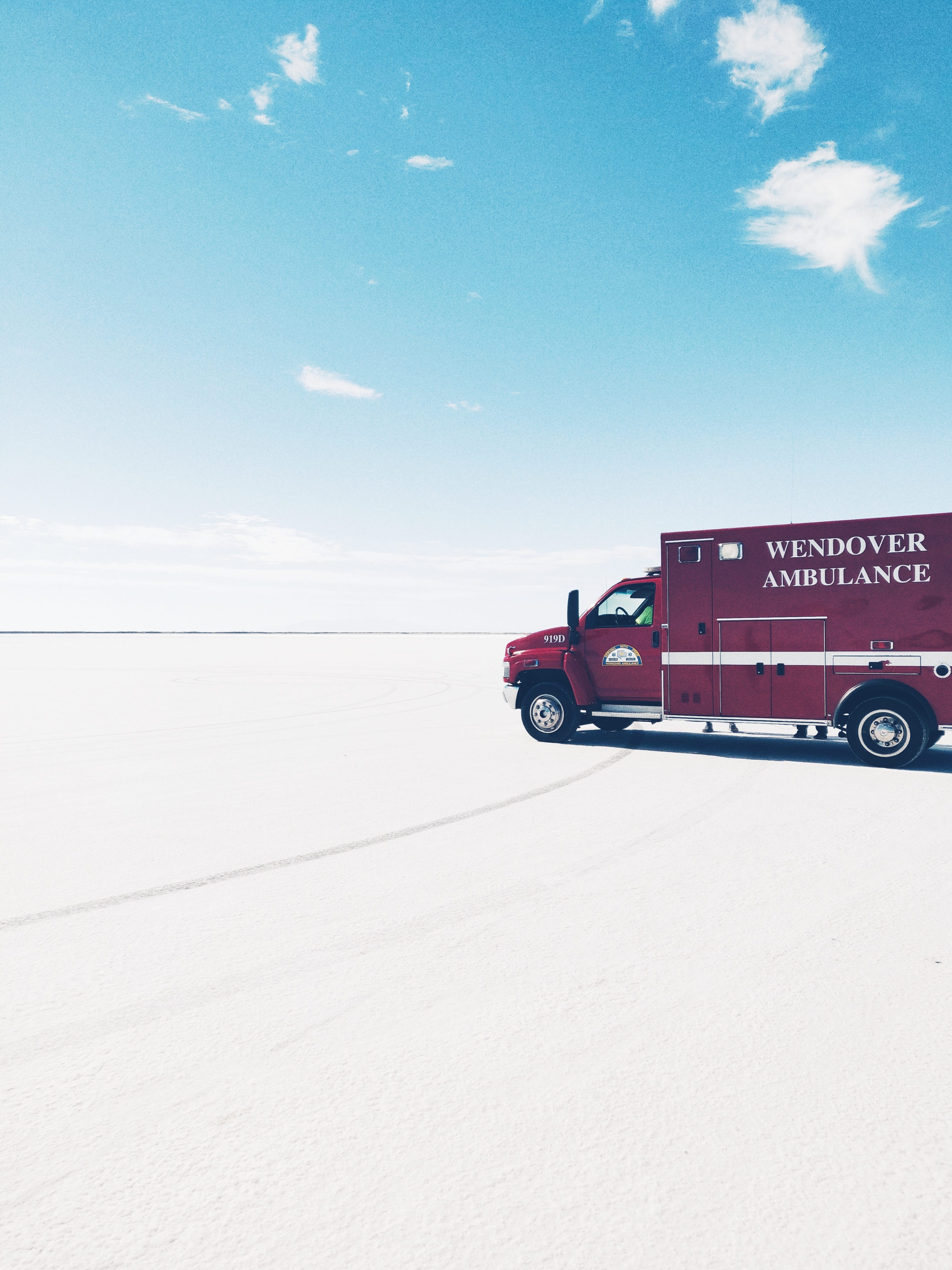
 Photo by Benjamin Voros on Unsplash
Sources:
Meth, often mixed with opioids, leads spike in Spokane County drug overdose deathsAmphetamine hospitalizations increasing every year in Spokane, rivaling opioids
About Sara E. Teller
Sara is a credited freelance writer, editor, contributor, and essayist, as well as a novelist and poet with nearly twenty years of experience. A seasoned publishing professional, she's worked for newspapers, magazines and book publishers in content digitization, editorial, acquisitions and intellectual property. Sara has been an invited speaker at a Careers in Publishing & Authorship event at Michigan State University and a Reading and Writing Instructor at Sylvan Learning Center. She has an MBA degree with a concentration in Marketing and an MA in Clinical Mental Health Counseling, graduating with a 4.2/4.0 GPA. She is also a member of Chi Sigma Iota and a 2020 recipient of the Donald D. Davis scholarship recognizing social responsibility. Sara is certified in children's book writing, HTML coding and social media marketing. Her fifth book, PTSD: Healing from the Inside Out, was released in September 2019 and is available on Amazon. You can find her others books there, too, including Narcissistic Abuse: A Survival Guide, released in December 2017.