Mental Health Worsens Amid Climate Change, WHO Says
Mental Health Worsens Amid Climate Change, WHO Says
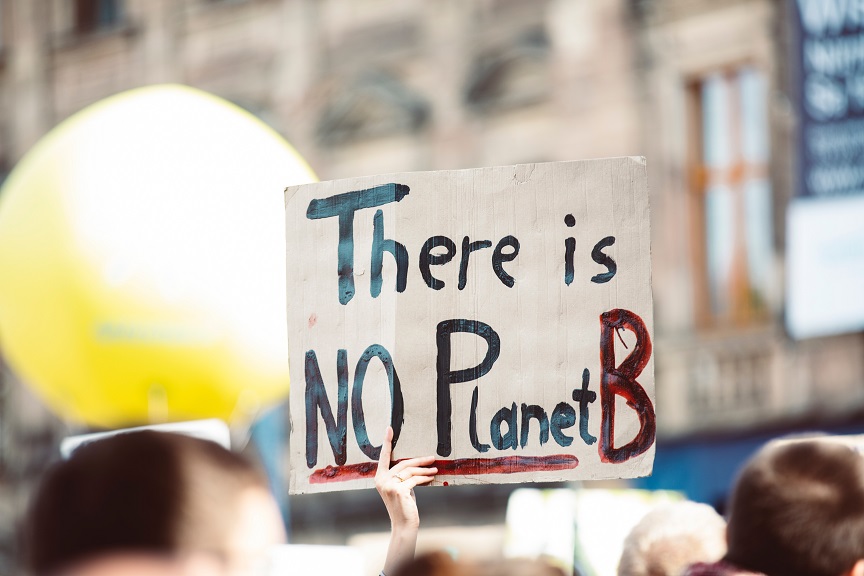
The World Health Organization (WHO) recently launched a policy report to address the lasting impact of climate change that is only getting worse over time. The agency has suggested that the extreme fluctuation in temperature is affecting people’s mental health and psychosocial well-being, raising levels of emotional distress, stress, anxiety, depression and suicidal thoughts and behaviors, among other concerning health issues.Dr Maria Neira, Director of the Department of Environment, Climate Change and Health at WHO, said, “The impacts of climate change are increasingly part of our daily lives, and there is very little dedicated mental health support available for people and communities dealing with climate-related hazards and long-term risk.”In addition to the influence of climate change on mental health, WHO warned of new, emerging syndromes directly related such as “eco-trauma,” which is anxiety that develops over the “apocalyptic scenario predicted to result from the transformation of ecosystems by anthropogenic activity,” the organization explained.
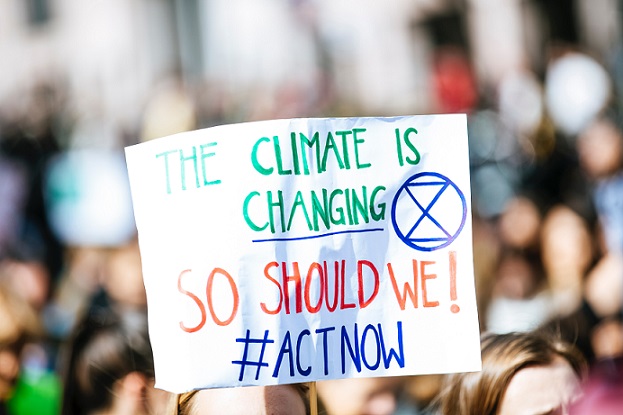 Photo by Markus Spiske from Pexels
Sources:
Why mental health is a priority for action on climate changeWHO Examines the Effects of Climate Change on Mental Health
About Sara E. Teller
Sara is a credited freelance writer, editor, contributor, and essayist, as well as a novelist and poet with nearly twenty years of experience. A seasoned publishing professional, she's worked for newspapers, magazines and book publishers in content digitization, editorial, acquisitions and intellectual property. Sara has been an invited speaker at a Careers in Publishing & Authorship event at Michigan State University and a Reading and Writing Instructor at Sylvan Learning Center. She has an MBA degree with a concentration in Marketing and an MA in Clinical Mental Health Counseling, graduating with a 4.2/4.0 GPA. She is also a member of Chi Sigma Iota and a 2020 recipient of the Donald D. Davis scholarship recognizing social responsibility. Sara is certified in children's book writing, HTML coding and social media marketing. Her fifth book, PTSD: Healing from the Inside Out, was released in September 2019 and is available on Amazon. You can find her others books there, too, including Narcissistic Abuse: A Survival Guide, released in December 2017.