Mental Health Conditions Nearly Double COVID-19 Fatality Risk

Mental Health Conditions Nearly Double COVID-19 Fatality Risk
In a new study published in JAMA Psychiatry, researchers found that patients with mental health conditions were nearly twice as likely (1.8 times) to die from the coronavirus than patients without underlying mental health issues. The findings came from a review of 16 studies examining the medical records of more than 19,000 people in seven countries. The disorders studied included schizophrenia, bipolar disorder, depression, anxiety, personality disorder, eating disorders and substance abuse disorders and addiction.“Patients with severe mental health disorders like schizophrenia and bipolar disorder were at particularly high risk of dying from COVID-19,” researchers said,” being more than twice as likely (2.3 times) to die than patients without mental health issues.” Those with bipolar disorder and schizophrenia are immune compromised, which could account for the high rate of co-occurrence.Even when taking into account and controlling for other factors, such as obesity, age of the participants and other health factors, data showed a significantly higher probability of death in people with mental health conditions. They suggest there could be other factors increasing risk, including barriers in accessing healthcare, higher addiction rates, the effects of psychiatric medication and social factors known to influence outcomes. The purpose of the study is to encourage public health officials to do more to prioritize vulnerable groups.
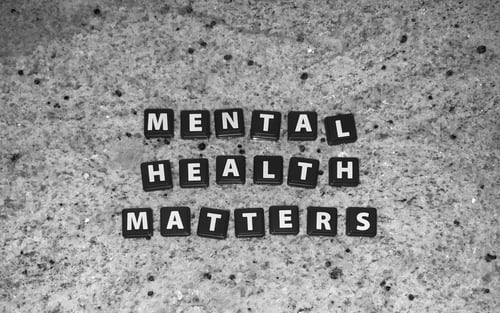 Photo by Marcel Strauß on Unsplash
Sources:
People With Mental Health Disorders Nearly Twice As Likely To Die From Covid, Study FindsAssociation Between Mental Health Disorders and Mortality Among Patients With COVID-19 in 7 Countries: A Systematic Review and Meta-analysisOutbreaks of Untreatable, Drug-Resistant Fungus Spread in 2 Cities
About Sara E. Teller
Sara is a credited freelance writer, editor, contributor, and essayist, as well as a novelist and poet with nearly twenty years of experience. A seasoned publishing professional, she's worked for newspapers, magazines and book publishers in content digitization, editorial, acquisitions and intellectual property. Sara has been an invited speaker at a Careers in Publishing & Authorship event at Michigan State University and a Reading and Writing Instructor at Sylvan Learning Center. She has an MBA degree with a concentration in Marketing and an MA in Clinical Mental Health Counseling, graduating with a 4.2/4.0 GPA. She is also a member of Chi Sigma Iota and a 2020 recipient of the Donald D. Davis scholarship recognizing social responsibility. Sara is certified in children's book writing, HTML coding and social media marketing. Her fifth book, PTSD: Healing from the Inside Out, was released in September 2019 and is available on Amazon. You can find her others books there, too, including Narcissistic Abuse: A Survival Guide, released in December 2017.