
To Help Lower Diabetics' Out-of-Pocket Insulin Costs, States Step in To Fill the Gap Left by the Federal Government's Inaction
To Help Lower Diabetics' Out-of-Pocket Insulin Costs, States Step in To Fill the Gap Left by the Federal Government's Inaction
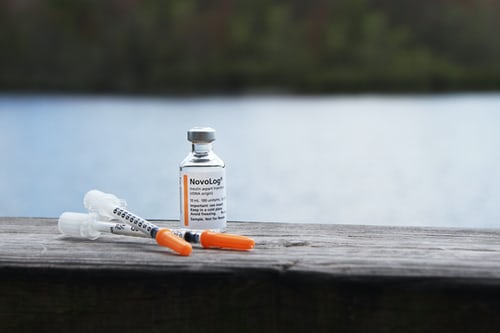
In an effort to fight the growing diabetes epidemic in the U.S., Colorado has taken its first step towards making the life-saving drug more affordable for those who struggle to pay for it. Led by Governor Jared Polis, the state of Colorado has become the second U.S. state to pass legislation capping out-of-pocket costs for insulin—legislation that officials in several other states are now working to implement. On Tuesday, July 5th, Governor Jared Polis signed the bill (HB19-1045), which establishes a $100 per month cap on out-of-pocket costs for all diabetics starting January 1st, 2022. The cap will be phased in overtime, with patients able to opt for yearly insulin dosage at a set rate of $50 per month. The new law follows a similar insulin access initiative passed last year in Illinois.The significance of this development should not be understated. Insulin remains the most important medication for managing diabetes—a condition that affects over 34.2 million Americans. And yet, over the past few decades, the cost of insulin has skyrocketed—in some cases by as much as 2000%. As a result, it is no surprise that many diabetics resort to using alternatives to insulin—such as cheaper generic versions of the medication. And while these cheaper alternatives may work for some people, they often come with serious health risks. This is because these alternatives are derived from plants—not from life-saving recombinant DNA technology. And as such, they do not produce the same safe and effective levels of insulin that are needed by diabetics.Many people who cannot afford their insulin may also be able to obtain proper life insurance coverage for their family. Life insurance for diabetics premiums are often higher compared to a person without diabetes. Studies show that many people simply cannot afford the proper amount of life insurance, due to the high cost of insulin.The explanation behind the out-of-pocket costs for insulin is very simple. Insurance companies and pharmacy benefit managers (PBMs) are the ultimate driver of the growing out-of-pocket costs for insulin, as they negotiate aggressively reduced list prices from manufacturers. PBMs are able to keep a substantial portion of these rebates—which have been labeled "kickbacks" by Congress–as profits. Is this fair? Absolutely not. Is it legal? In the United States, yes. Why it's legal for middlemen to extract these rebates and fees is the subject of a different post. The key takeaway here is that those savings are never passed on to patients or payers (i.e., employers, insurers, or the government).So it's no wonder that the real price patients have to pay for insulin is increasing at a rate of more than 20% a year. The fact that PBMs handle 90% of PWDs' prescriptions, and they now routinely negotiate double-digit discounts off of pharmaceutical company list prices for brand-name drugs, only serves to further increase out-of-pocket costs for patients.But we also can't say the federal government hasn't tried to contain rising costs. H.R. 5749 - Affordable Insulin for All Act, passed by the 116th Congress (2019-2020), requires the Department of Health and Human Services to establish a program to ensure that insulin is affordable for all patients in the United States. It mandates that the average out-of-pocket cost for insulin for Medicaid-insured patients and to that end, HHS must establish an agreement with drug manufacturers, set a uniform list price for all insulins, and ensure that patients have access to this life-saving medication. Moreover, H.R. 5749, understanding the need to drive down costs, especially for those with chronic conditions, requires every commercial plan and Medicare to limit the cost-sharing a diabetic may face while purchasing insulin to $10. This is definitely a leap in the right direction. But that's not all this bill has to offer. Congress realized that the real culprit for high out-of-pocket costs is the soaring list prices negotiated by PBMs; it legislates 100% pass-through of rebates back to patients. And just like that, patients finally benefit from the savings they've been kept from. But unfortunately, like most legislation, this was just a first step. And sadly, it looks like this step forward will be the last for some time. Despite its encouraging support for affordable insulin, H.R. 5749 was only referred to a House subcommittee on health in 2020 and has remained dormant since then. This truly shows the influence pharmaceutical companies have over Congress and the U.S. government. With no real appetite to reign in the ever-increasing cost of insulin, the U.S. government looks like it's just going to have to watch as millions of Americans continue to suffer from diabetes-related complications and those with the disease are forced to turn to illegal alternatives just to keep their health in check.
 Photo by Mykenzie Johnson on Unsplash

About Melissa Thompson
Melissa Thompson is an LA-based content strategist for Diabetes 365. She covers industry developments and helps educate the diabetes community with the advances in technology. In her free time, Melissa enjoys swimming, swing dancing, and sci-fi novels.