
Legal Avenues for Parents in Child Injury Claims Arising from Auto Accidents
Legal Avenues for Parents in Child Injury Claims Arising from Auto Accidents
When any vehicle accident causes injury to a child, parents are faced with many challenges and concerns that extend far beyond the immediate medical needs of their young ones. Managing these challenges often involves dealing with complex legal matters. The following post will explain the legal solutions available to parents. Liability in Child Injury ClaimsIn child injury claims stemming from auto accidents, establishing liability is one of the first steps. It is key to comprehend the various forms of liability and the parties that may be held accountable.The Role of NegligenceNegligence is a common basis for liability in auto accidents. To establish negligence, it must be demonstrated that the at-fault driver failed to exercise reasonable care, thus resulting in the accident and, subsequently, the child's injuries.Vicarious Parental LiabilityParents may be deemed responsible for their child's actions in certain cases. If a teenager was the vehicle's driver, parental liability could come into play under the doctrine of "vicarious liability."Third-Party AccountabilityApart from the driver and the child's parents, third parties such as vehicle manufacturers or governmental entities might also share liability. However, this will occur only if their actions or products contributed to the accident or the child's injuries.The Legal Process in Child Injury ClaimsNavigating the legal process in child injury claims is a multifaceted endeavor, but it is a necessary one when seeking compensation for the child's injuries.The Importance of Consulting an AttorneySeeking legal representation from Yosha Law Firm is advisable in child injury claims. An experienced personal injury attorney can guide parents through the legal process, ensuring their rights are protected and advocating for fair compensation.Initiating a LawsuitWhen negotiations with the at-fault party's insurance company fail to yield a fair settlement, filing a lawsuit may become necessary. Your attorney will help you initiate the legal proceedings.Evidence Collection and Case PreparationYour attorney will work assiduously to collect evidence that supports your child's case. This may include medical records, accident reports, and witness testimonies. Additionally, your attorney will prepare a compelling legal argument to establish liability.Negotiations and SettlementsMany child injury claims are ultimately resolved through negotiations between the parties involved. Your attorney will represent your child's interests and seek a fair settlement that covers their injuries and related damages.Court ProceedingsIn cases where a settlement cannot be reached, the matter may proceed to court. Your attorney will represent your child's case, presenting evidence and arguments to a judge and jury.How Does Insurance Play a Role in Child Injury Claims? Comprehending insurance coverage is fundamental when dealing with child injury claims. Various types of insurance can come into play to compensate for the child's injuries.The At-Fault Driver's InsuranceTypically, the at-fault driver's liability insurance covers injuries caused by their negligence. Parents usually file a claim with the at-fault driver's insurer to seek compensation for the child's medical expenses and other associated damages.Uninsured or Underinsured Motorist CoverageParents may need to rely on their insurance coverage if the at-fault driver lacks insurance or is underinsured. Uninsured or underinsured motorist coverage can bridge the gap and provide additional compensation.The Role of Medical Payments CoverageMedical payment coverage, often included in auto insurance policies, can assist in covering the child's medical bills. Likely, this will be regardless of fault. It provides essential financial support during the initial stages of recovery.Vital Steps to Take Following a Child's Injury in an Auto AccidentAfter an auto accident involving a child, it is imperative to take the right steps to safeguard their rights and pursue compensation.1. Seek Immediate Medical Attention
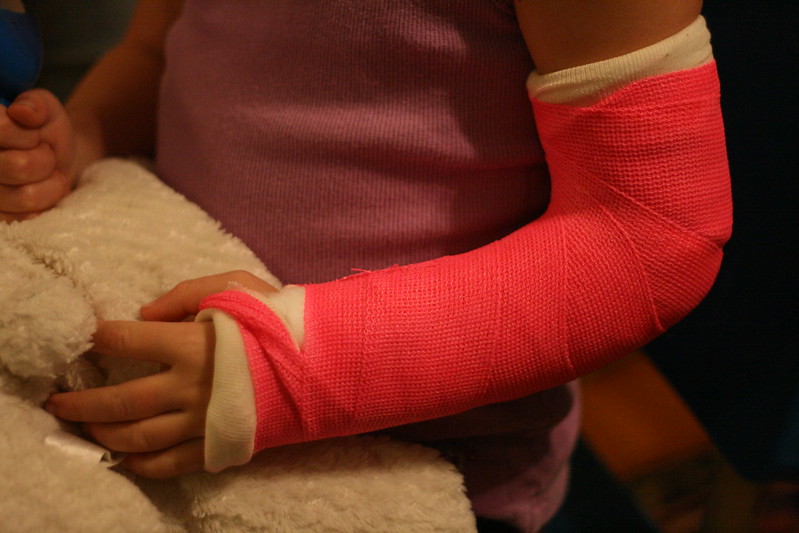
 Photo by Laura James from Pexels
Covering medical expenses: Medical expenses, such as hospital bills, surgeries, therapy, and ongoing treatment, typically constitute the primary component of compensation in child injury claims.
Addressing pain and suffering: Children may experience significant physical and emotional suffering as a result of the accident. Pain and suffering compensation provides financial support for these intangible losses.
Accounting for future expenses and lost earnings: In cases where the child's injuries result in long-term or permanent disability, compensation may also cover future medical costs and lost earning potential.
About Dorothea W. Pierce
Dorothea W. Pierce was born into a family of attorneys and was raised with a strong sense of justice. During her high school years, she developed a passion for journalism and decided to combine this with her knowledge of the law. She realized that she can make her voice heard to the masses through legal journalism. Dorothea is honored to follow and report on any legal case. She shares her analysis in reader-friendly articles.