
Judge Finds Tennessee Department of Correction in Violation of the ADA for Failing to Provide Sign Language Interpreters and Videophones to Deaf Prisoners

Judge Finds Tennessee Department of Correction in Violation of the ADA for Failing to Provide Sign Language Interpreters and Videophones to Deaf Prisoners
A federal judge in the Middle District of Tennessee granted partial summary judgment to multiple plaintiffs finding that the Tennessee Department of Correction violated federal law, including the Americans with Disabilities Act and Section 504 of the Rehabilitation Act, by failing to provide sign language interpreters in connection with prison programming, medical appointments, religious services and legal processes such as discipline or parole, and by failing to provide videophones to deaf prisoners.The case was filed in 2020 on behalf of a number of individual prisoners and Disability Rights Tennessee. Plaintiffs are currently represented by Disability Rights Advocates (“DRA”), Disability Rights Tennessee, Disability Law United, and the Denver-based civil rights firm of Fox & Robertson.In her opinion, Judge Aleta A. Trauger stated: “The plaintiffs have identified hundreds of high-stakes interactions in which interpreters were not provided, many of which involved situations—such as receiving medical care—in which effective communication is an inherently vital component.” Further, “While there may be room for disputing whether certain specific listed encounters fall within the scope of TDOC’s violations, there is no longer any basis for disputing that such violations generally existed and were manifestations of a continuous, ongoing policy or practice.” Read the judge’s order granting partial summary judgment.While the decision resolved several of the major claims in the case, the Court will later need to decide the remaining claims, in addition to a remedy for these violations as well as damages for individual plaintiffs. A trial is set for January of 2025. Some individual Plaintiffs and claims were dismissed under this most recent order, largely based on statute of limitations or because the Court found that the individuals had not sufficiently exhausted the prison system’s grievance process.
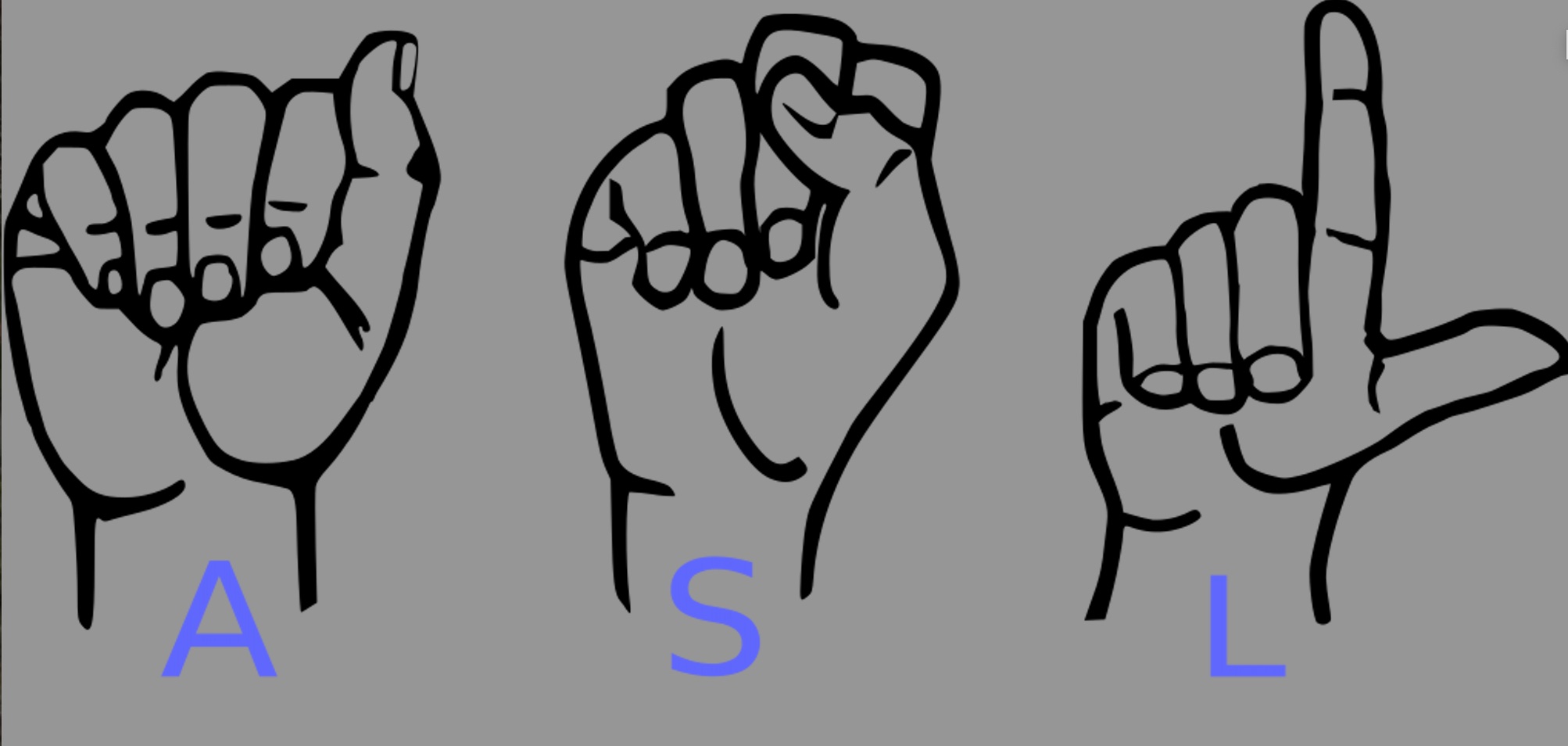 ASL in American Sign Language; image by Psiĥedelisto, CC0, via Wikimedia Commons.

About Press Release
This post is an authorized copy of a press release and was not written by LegalReader.