
Is Kratom Legal in the United States?

Is Kratom Legal in the United States?
Kratom, scientifically known as Mitragyna Speciosa, is a tropical evergreen tree native to Southeast Asia, primarily found in countries such as Thailand, Malaysia, Indonesia, and Papua New Guinea. Kratom belongs to the Rubiaceae family, which also includes coffee and gardenia plants. The leaves of the kratom tree have been traditionally used for centuries in various cultural and medicinal practices due to their pharmacological properties.Kratom contains a complex array of alkaloids, with the two primary active compounds being mitragynine and 7-hydroxy mitragynine. These alkaloids interact with the opioid receptors in the human body, which can produce both stimulant and sedative effects depending on the dosage. Users commonly report effects such as increased energy and focus at low doses, while higher doses can lead to pain relief, relaxation, and euphoria.What is the Legal Status of Kratom in the United States?In the United States, the legality of kratom is a complex and ever-evolving issue. Regulations around kratom vary significantly across federal, state, and local levels. At the federal level, kratom is currently not classified as a controlled substance, and it remains legal to possess, consume, and sell under the jurisdiction of the Drug Enforcement Administration (DEA) and the Food and Drug Administration (FDA).However, individual states and local governments have the authority to enact their own laws and regulations regarding the legality of kratom, which has led to a patchwork of legislation across the country. Some states have banned or restricted the use, sale, and possession of kratom, while others have taken a more permissive approach, allowing for the legal use of kratom with certain age or labeling requirements.The legality of kratom remains a contentious issue, with ongoing debates surrounding its safety, potential benefits, and potential risks. As a result, those interested in kratom need to stay informed about the current legal landscape and any future changes in legislation.History of KratomMitragyna Speciosa has a long history of use in Southeast Asia, where it has been an integral part of traditional medicine and cultural practices for centuries. Indigenous communities in Thailand, Malaysia, and Indonesia have utilized kratom leaves for stimulants, analgesics, and even as a substitute for opium during periods of scarcity.Traditionally, the leaves of the kratom tree were chewed fresh or brewed into a tea, providing users with an array of beneficial effects. In rural communities, kratom has been used by laborers and farmers to combat fatigue and enhance physical endurance during long hours of work. Additionally, kratom has been employed as a remedy for ailments such as pain, diarrhea, and fever, and even as a means to manage withdrawal symptoms from opiate addiction.Rise of Popularity of Kratom in the United StatesIn recent years, kratom has gained significant popularity in the United States, primarily driven by increased awareness of its potential therapeutic benefits and ease of access through online vendors. The rise of kratom's popularity can also be attributed to growing interest in alternative medicine and natural remedies, as well as a response to the ongoing opioid crisis, with some individuals seeking safer and non-addictive alternatives for pain management.As a result, kratom has attracted attention from researchers, healthcare professionals, and policymakers alike, sparking debates surrounding its safety, efficacy, and legal status. While some advocate for the potential therapeutic benefits of kratom, others express concerns about its potential for abuse and adverse health effects.Is Kratom Legal at Federal Level?At the federal level, the Drug Enforcement Administration (DEA) is responsible for regulating controlled substances and enforcing drug laws in the United States. While the DEA has not currently classified kratom as a controlled substance, it has been monitoring the plant closed due to concerns about its potential for abuse and public health risks.In August 2016, the DEA announced its intention to temporarily classify the primary active alkaloids in kratom, mitragynine, and 7-hydroxymitragynine, as Schedule I substances under the Controlled Substances Act. This move would have effectively banned kratom in the United States. However, the announcement sparked a significant public backlash and outcry from kratom supporters, leading the DEA to withdraw its intent and open a public comment period.Since then, the DEA has not taken any further action to schedule kratom, but it continues to monitor the substance and evaluate available research to determine if future regulatory action is necessary.Role of FDA in Kratom’s LegalityThe Food and Drug Administration (FDA) plays a critical role in regulating the safety and efficacy of drugs, dietary supplements, and food products in the United States. The FDA has expressed concerns about the safety of kratom and its potential for abuse, addiction, and adverse health effects.The FDA has issued several public health advisories and import alerts on kratom products, citing concerns about the lack of scientific evidence supporting the safety and efficacy of kratom for any medical use, as well as the potential for serious side effects, including seizures, liver damage, and even death.Furthermore, the FDA has taken enforcement actions against companies marketing kratom products with unproven medical claims, such as treating opioid withdrawal, pain, or other health conditions, as these products have not undergone the FDA's rigorous approval process.Role of the American Kratom AssociationThe American Kratom Association (AKA) is a nonprofit organization that advocates for the rights of kratom consumers and supports the responsible use of kratom as a natural botanical product. The AKA actively engages with federal and state policymakers, providing education about the potential benefits of kratom and challenging efforts to restrict or ban the substance.In response to concerns about the safety and quality of kratom products, the AKA has developed the Good Manufacturing Practice (GMP) Standards Program, which aims to ensure the production and distribution of safe and uncontaminated kratom products. The AKA encourages kratom vendors to adhere to these guidelines to promote consumer safety and confidence.The American Kratom Association plays a crucial role in advocating for the continued legality of kratom at the federal level, providing a voice for the kratom community, and working to ensure that any future regulatory actions are based on sound scientific evidence and responsible public policy.States where Kratom is Illegal in the USAs per the rules, you can’t buy, sell or possess Kratom in the following states:
Alabama
Arkansas
Indiana
Rhode Island
Vermont
Wisconsin
California: (Outside of San Diego, Kratom is legal in California)
Alaska
Florida (Outside of Sarasota Country, Kratom is legal in Florida)
Idaho
Georgia
Arizona
Colorado (Legal outside of Denver)
Delaware
Connecticut
Hawaii
Illinois
Kansas
Kentucky
Louisiana
Maine
Maryland
Massachusetts
Michigan
Minnesota
Mississippi
Missouri
Montana
Nebraska
Nevada
New Hampshire
New Jersey
New Mexico
New York
North Carolina
North Dakota
Ohio
Oklahoma
Oregon
Pennsylvania
South Carolina
South Dakota
Tennessee
Texas
Utah
Virginia
Washington
West Virginia
Wyoming
Pain Relief:
Anxiety and Depression:
Opioid Withdrawal Management:
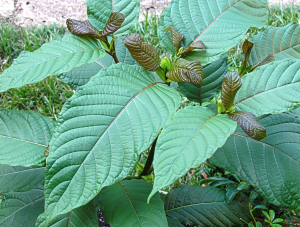 Kratom plant; image by ThorPorre, via Wikimedia Commons, CC BY 3.0, no changes.

About Nancy Fernandez
Nancy is a cannabis and health industry consultant who frequently writes about the latest trends in the industry. She has been writing on CBD for a long time now. Through her writing, she hopes to influence as many people as possible to help maintain better health and lifestyle. She has written many informative blogs on other verticals, too.