Is Handgun Ownership Associated with a Greater Risk of Suicide?

Is Handgun Ownership Associated with a Greater Risk of Suicide?
A new study found that current questions being asked to determine whether someone is suicidal are coming up short, particularly when it comes to handgun ownership and suicide risk. While mental health providers are doing their best to catch ideation before patients are at substantial risk of fatally harming themselves, the truth is, there just isn’t a “one size fits all” approach, and the authors of the study found that tweaking the firearm questions so that they’d be more situational in nature made a significant difference for gun owners.“Not everyone experiences suicidal ideation in the same way. So, maybe our traditional ways of asking about suicidal thoughts are incomplete,” Ohio State College of Medicine researcher Craig Bryan said. “Just a simple shift in question, adding one more different perspective or a different angle to ask about suicidal thoughts could potentially help us identify people who are in a vulnerable state.”
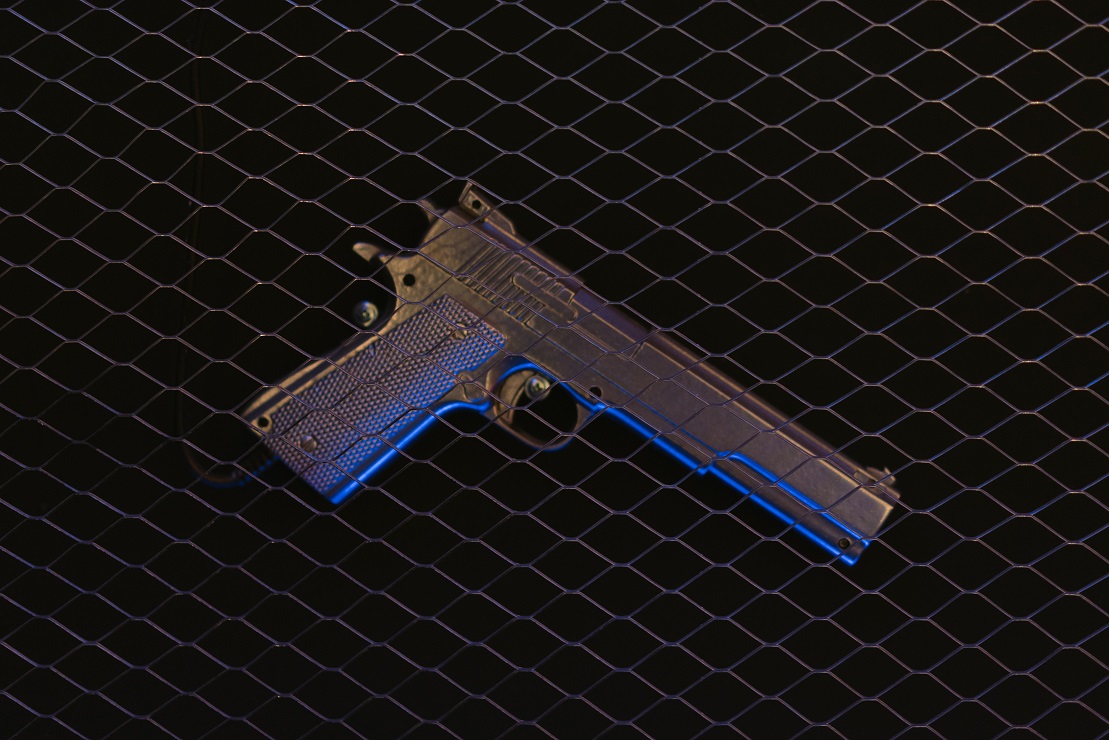 Photo by Mikhail Nilov from Pexels
Sources:
Study: Questions being used to identify people at risk of suicide often fall shortStudy: Mental health assessments often fail to identify suicidal ideation among gun ownersHandgun ownership associated with much higher suicide risk
About Sara E. Teller
Sara is a credited freelance writer, editor, contributor, and essayist, as well as a novelist and poet with nearly twenty years of experience. A seasoned publishing professional, she's worked for newspapers, magazines and book publishers in content digitization, editorial, acquisitions and intellectual property. Sara has been an invited speaker at a Careers in Publishing & Authorship event at Michigan State University and a Reading and Writing Instructor at Sylvan Learning Center. She has an MBA degree with a concentration in Marketing and an MA in Clinical Mental Health Counseling, graduating with a 4.2/4.0 GPA. She is also a member of Chi Sigma Iota and a 2020 recipient of the Donald D. Davis scholarship recognizing social responsibility. Sara is certified in children's book writing, HTML coding and social media marketing. Her fifth book, PTSD: Healing from the Inside Out, was released in September 2019 and is available on Amazon. You can find her others books there, too, including Narcissistic Abuse: A Survival Guide, released in December 2017.