
Increasing Outdoor Time is Essential for Warding Off Myopia

Increasing Outdoor Time is Essential for Warding Off Myopia
Studies have shown that spending more time doing outdoor activities is associated with lower rates of myopia among children. Myopia, more commonly referred to as “nearsightedness,” is a condition that is especially common in children and young adults, leaving many individuals with no choice but to wear eyeglasses or contacts to see properly.A large part of the world suffers from nearsightedness. In fact, currently, it’s estimated that nearly 42 percent of people in the U.S. suffer from myopia, while up to 90 percent of people in some East Asian countries are myopic by the time they’re young adults.While genetics can play a role in becoming nearsighted, research has repeatedly revealed environmental factors are also commonly at play. For example, children and young adults who live in urban areas have a higher chance of developing the condition because they tend to spend more time indoors playing on electronics. By the same token, those who reside in rural areas, tending to spend more time outside and away from screens, are less likely to suffer from myopia.Dr. Noha Ekdawi, a pediatric ophthalmologist in Wheaton, Illinois, added that spending time in the fresh air is one of the easiest ways to protect one’s vision, saying, “We think that outdoor time is the best form of prevention for nearsightedness.”
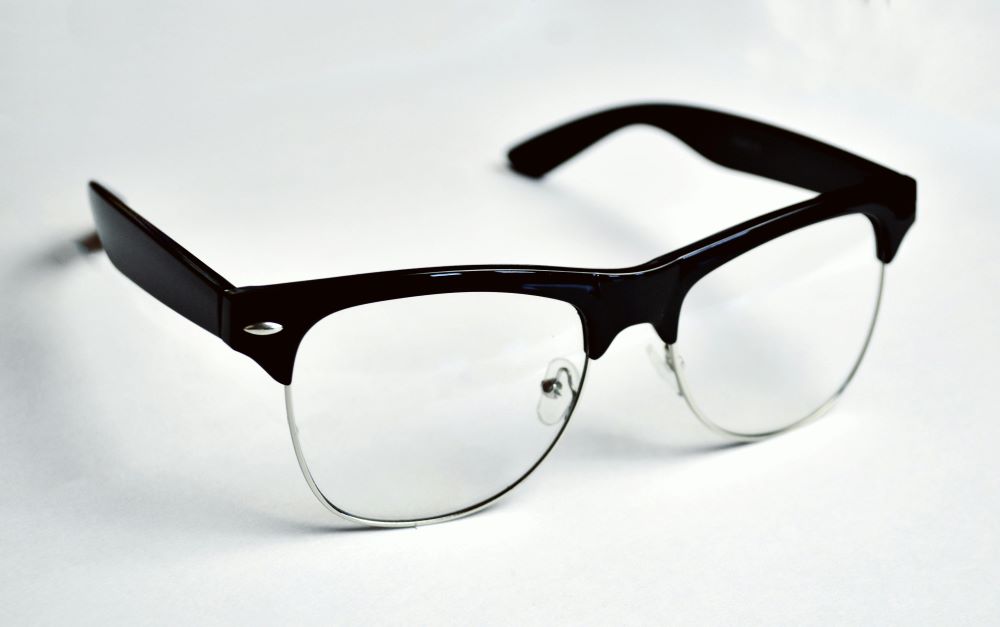 Photo by Stephen Niemeier from Pexels
Sources:
Want to protect your kids' eyes from myopia? Get them to play outsideCleveland Clinic: Myopia (Nearsightedness)Outdoor time is good for your kids' eyesight. It protects against myopiaTime spent in outdoor activities in relation to myopia prevention and control: a meta‐analysis and systematic reviewWHO: Raising awareness on eye care
About Sara E. Teller
Sara is a credited freelance writer, editor, contributor, and essayist, as well as a novelist and poet with nearly twenty years of experience. A seasoned publishing professional, she's worked for newspapers, magazines and book publishers in content digitization, editorial, acquisitions and intellectual property. Sara has been an invited speaker at a Careers in Publishing & Authorship event at Michigan State University and a Reading and Writing Instructor at Sylvan Learning Center. She has an MBA degree with a concentration in Marketing and an MA in Clinical Mental Health Counseling, graduating with a 4.2/4.0 GPA. She is also a member of Chi Sigma Iota and a 2020 recipient of the Donald D. Davis scholarship recognizing social responsibility. Sara is certified in children's book writing, HTML coding and social media marketing. Her fifth book, PTSD: Healing from the Inside Out, was released in September 2019 and is available on Amazon. You can find her others books there, too, including Narcissistic Abuse: A Survival Guide, released in December 2017.