
Dioxane Plume Spreading in Ann Arbor, MI
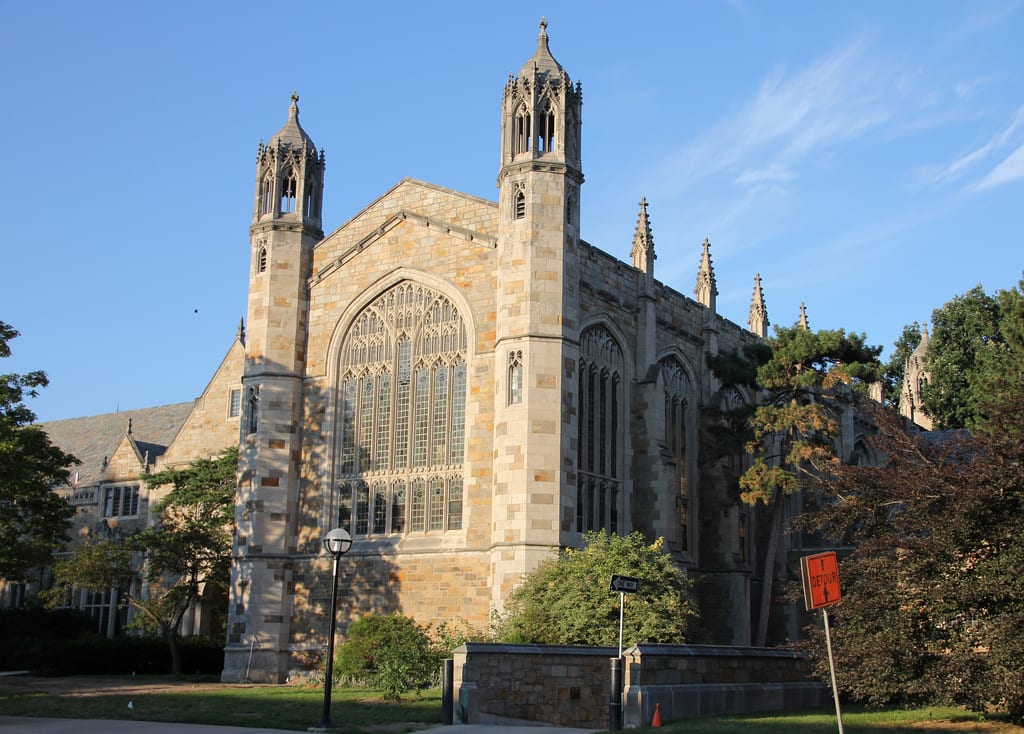
Dioxane Plume Spreading in Ann Arbor, MI
Between 1966 and 1986, Gelman Sciences (now Pall Corp., a division of Danaher Corp.) polluted the groundwater in Washtenaw County, Michigan, with 1,4-dioxane. The dioxane plume has been spreading slowly, steadily, under the city of Ann Arbor, creeping toward the Huron River, the city's main source of drinking water. And now, the chemical has turned up for the first time in Barton Pond.In 1958, Charles Gelman, a graduate student at the University of Michigan, worked out a process to manufacture micro-porous filters which, ironically now, could be used to detect air and water pollution. His business, Gelman Sciences, grew from a basement hobby and became an industry leader in the college town of Ann Arbor. Unfortunately, the manufacturing process used 1,4-dioxane, a probable human carcinogen according to the EPA, and instead of finding a responsible way to dispose of their waste, Gelman Sciences simply dumped it on their property, located on Wagner Road. They even used a sprinkler system to more efficiently get rid of the chemical waste.Ever since, the contamination has been on the move. In 1984, Daniel Bicknell, another grad student from the University, first broke the story after taking water samples at Third Sister Lake, near the Gelman Sciences property. At the time, regulators with the Michigan Department of Natural Resources didn't believe Bicknell's findings, but the dioxane plume didn't care what they thought. It just kept spreading slowly northeastward, contaminating residential wells and forcing people on to the municipal water system. In 2001, the city had to abandon one of the wells that fed that same municipal supply due to dioxane contamination.The fear has always been that the dioxane plume would eventually reach the nearby Huron River, where the city obtains the bulk of its drinking water supply. Earlier this month, the plume, now 3-4 miles long and a mile wide, did. Recent lab tests found a small amount of 1,4-dioxane in water drawn from a municipal water intake at Barton Pond on the Huron River, and in the city's treated drinking water supply. Currently, the city claims the water is safe to drink, with dioxane contamination equal to “about one drop of water in an Olympic-sized swimming pool.” However, it won't always be.
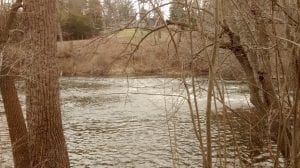 A view of the Huron River in Scio Township. Several residents in Scio Township can no longer use their wells due to contamination from the dioxane plume. Photo by the author.
Sources:
Ann Arbor may seek EPA intervention for Gelman plume cleanup
Gelman Dioxane Plume - Ann Arbor, Michigan
Officials investigating spread of 1,4-dioxane in Ann Arbor storm drains
Dioxane detected in Ann Arbor drinking water from Barton Pond for first time
Dioxane Plume Pollution Then and Now
Protecting Safe Drinking Water: Keeping Our Customers Informed (PDF)
History of the Pall-Gelman Dioxane Groundwater Contamination Cleanup
Ann Arbor residents 'trying to prevent future Flint water crisis'
Pollution Suit Thrown Out; Gelman Wins

About Dawn Allen
Dawn Allen is a freelance writer and editor who is passionate about sustainability, political economy, gardening, traditional craftwork, and simple living. She and her husband are currently renovating a rural homestead in southeastern Michigan.