
How to Legally Dispose of Batteries
How to Legally Dispose of Batteries
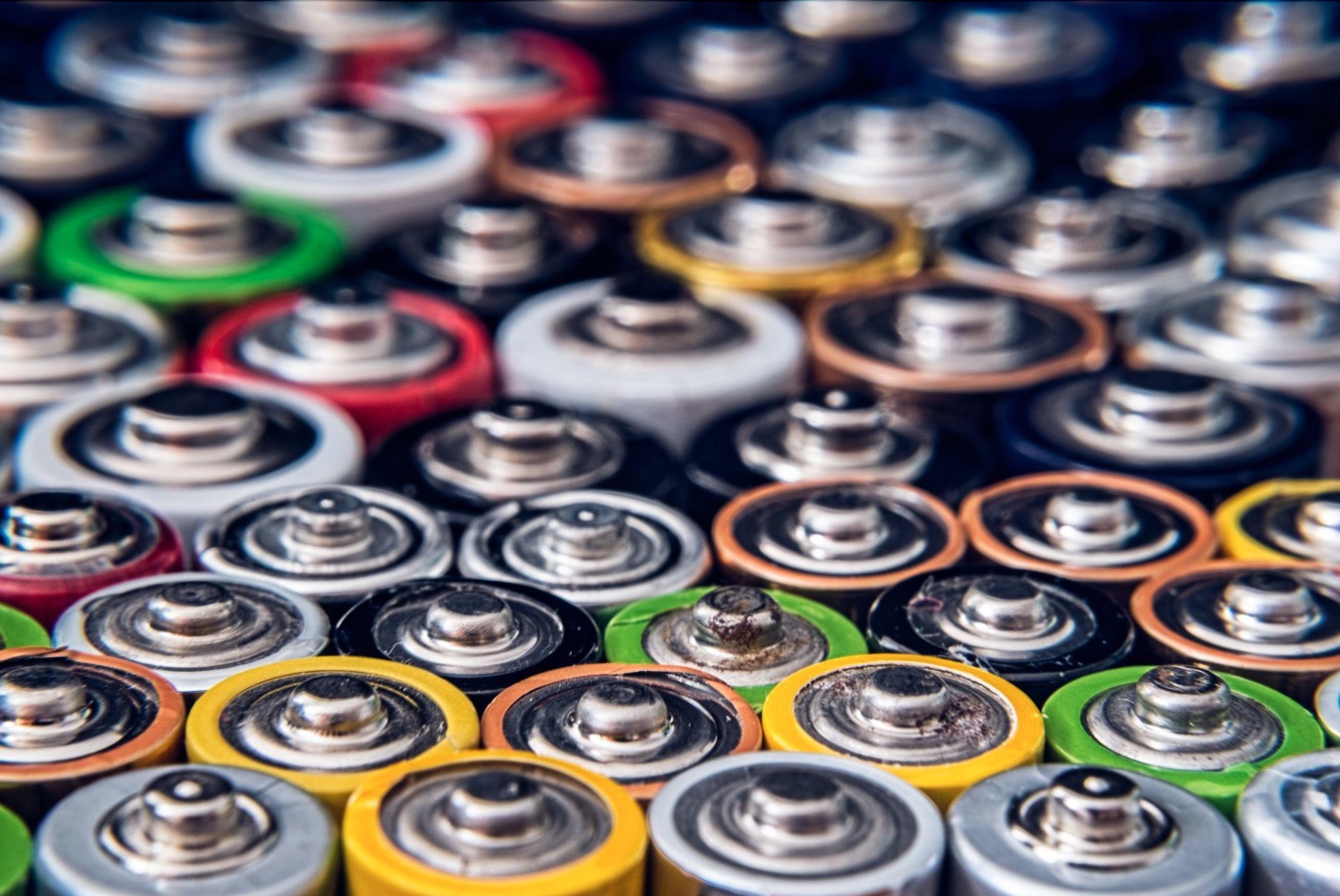
Disposing of batteries the right way is more important than ever. Millions of batteries are used yearly, from powering gadgets like remote controls to bringing our smartphones and iPads to life. It’s encouraging to know that around 90% of all lead-acid batteries are recycled, but this only scratches the surface of what needs to be done. Responsible battery disposal isn’t just a legal obligation; it’s essential for protecting the environment and our health. Legal disposal of batteries is more than simply throwing them in the trash. It requires understanding the different types of batteries and how they should be handled post-use. Many jurisdictions have specific laws and regulations concerning battery disposal, mandating proper recycling or disposal at authorized facilities. Ignoring these regulations can lead to fines or other penalties, but even more importantly, it can contribute to environmental harm.Now, let’s explore everything you need to know about disposing of batteries efficiently.What are the different types of batteries?The importance of nickel in the battery industry has been growing, increasing demand for nickel mining. This trend underscores the interconnectedness of our daily lives with global economic activities, reminding us of the far-reaching impact of our consumption habits. Batteries come in many shapes and sizes, each with its unique composition and use, including:Alkaline batteries: One of the most common types, the alkaline battery powers everyday items like toys, flashlights, and remote controls. Alkaline batteries are typically non-rechargeable, meaning they're meant for one-time use.Lithium-ion batteries are the powerhouse behind most of our rechargeable devices. Lithium-ion batteries are everywhere, prized for their high energy density and long lifespan, from laptops and smartphones to electric cars. Nickel-based batteries, including Nickel Cadmium (NiCd) and Nickel-Metal Hydride (NiMH) batteries, are often found in power tools, cordless phones, and hybrid cars, among other devices. Thanks to its high energy density and stability, nickel allows these batteries to provide steady power output over a long period, making them ideal for applications that require sustained performance. How do batteries impact the environment?While batteries provide us with power in many ways, it’s also important to remember they significantly impact the environment.The production process itself contributes to environmental degradation. The extraction of raw materials necessary for battery production, such as lithium, nickel, and cobalt, often involves energy-intensive mining processes. These processes can destroy habitats, soil erosion, and greenhouse gas emissions.From there, improper disposal can lead to severe environmental pollution. For example, if sent to landfill, heavy metals and toxic chemicals can leach out over time, resulting in soil and water contamination. This threatens ecosystems and wildlife but poses the risk of pollutants ending in our food or drinking water.
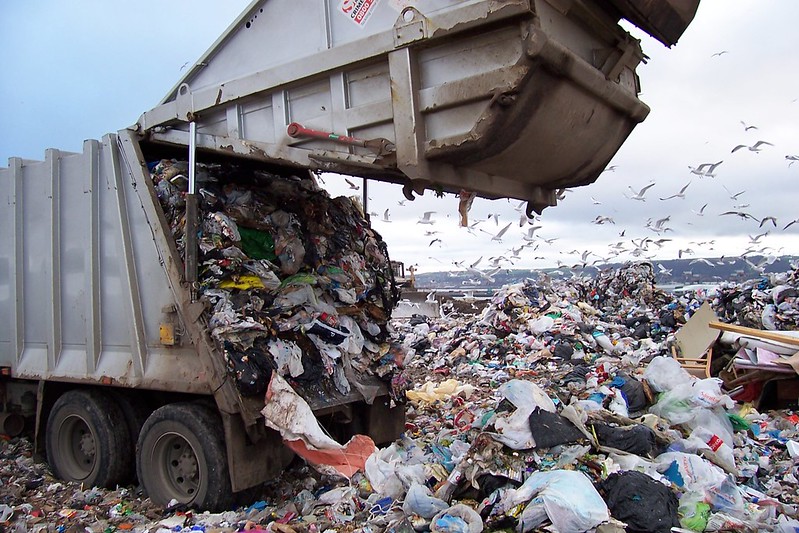 A landfill. Image via Flickr/user:MPCA Photos. (CCA-BY-2.0).

About Luke Fitzpatrick
Luke Fitzpatrick has been published in Forbes, Yahoo! News and Influencive. He is also a guest lecturer at the University of Sydney, lecturing in Cross-Cultural Management and the Pre-MBA Program. You can connect with him on LinkedIn.