
How to Determine Liability in a Head-On Collision in Georgia
How to Determine Liability in a Head-On Collision in Georgia
Head-on collisions are among the most dangerous car accidents, and drivers and passengers are often severely injured. Among the broken debris from the accident scene, there might be crucial pieces of evidence you can use to determine liability in a lawsuit.Determining liability in a head-on collision may come down to physical evidence, witness testimony, accident reconstruction, or a combination of various tactics and evidence. Physical evidence tends to come directly from crash sites and can include the actual vehicles involved in the crash. Even the skid marks on the road may be important physical evidence. We can use witness testimony to fill in the gaps where physical evidence falls short. Witnesses with direct knowledge of issues relevant to liability will be extremely important. Expert witnesses with the skills to reconstruct the accident may even render an expert opinion about who they believe is liable.Before pursuing a lawsuit, you should meet with an Atlanta personal injury attorney as soon as possible. Each case is different and determining liability might be relatively easy or incredibly difficult, depending on your situation.Proving Liability in a Head-On Collision in GeorgiaGenerally, liability in car accident cases comes down to negligence. Negligence comprises four important elements: duty, breach, causation, and damages. To determine liability, you must establish each of these elements. If even one element is unfulfilled, liability cannot be determined.Duty refers to the defendant’s legal duty of care or obligation owed to the plaintiff. Since negligence applies across various personal injury lawsuits, a defendant’s duty will change depending on the situation. On the road, all drivers have the legal duty to drive with reasonable safety under the circumstances and to follow traffic laws. As the circumstances change, so does what is considered reasonably safe.The breach is whatever the defendant did or did not do that violated their legal duty. No two accidents are exactly alike, and there might be numerous possible breaches. Some possibilities include running red lights, speeding, distracted driving, driving while intoxicated, or anything else that is unreasonable or that violates Georgia’s traffic code.Causation is the connection or link between the defendant’s breach and the accident. Essentially, the breach must be the direct cause of the accident. Defendants sometimes claim that they did breach their duty, but something other than the breach is the true cause of the accident. You must disprove such claims if you are to determine liability.Finally, you have to show that your damages are real. People sometimes incorrectly assume you can sue for things that almost happened, but this is not so. If you miraculously walked away from a head-on collision without a scratch, you cannot sue for physical injuries because you did not suffer any. We can only determine liability for injuries and damages that are real.How Your Injuries and Damages Can Determine Liability in a Head-On Collision in GeorgiaPhysical evidence, including damage to your car and records of your injuries, may help you determine liability in a head-on collision. The accident scene at first appears to be a mess of rubble and debris, but there is evidence all around you.
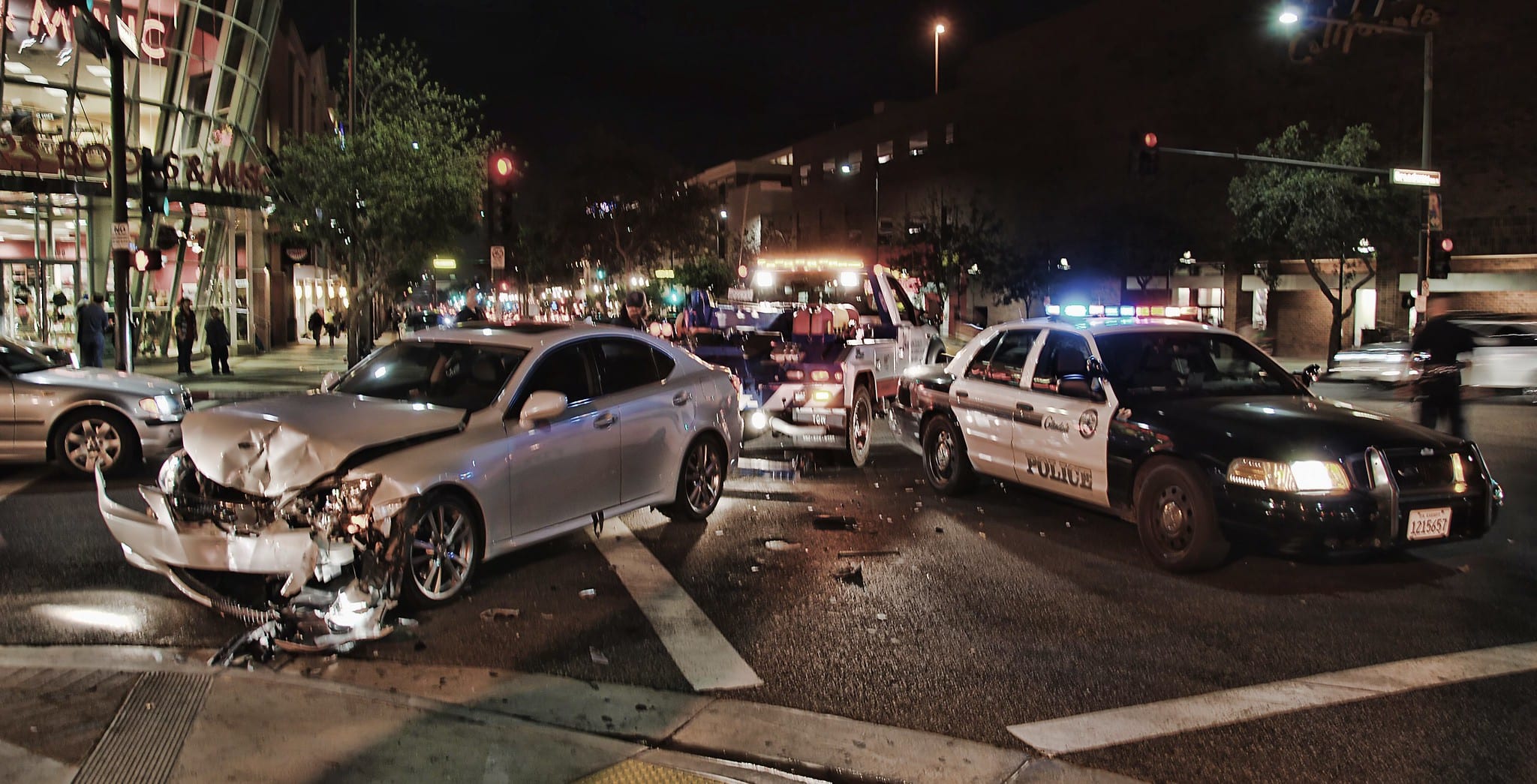
 Police vehicles on scene at accident; image by Aaron Doucett, via Unsplash.com.

About Richard Howe
Richard Howe, the founder of Howe.Law Injury and Accident Lawyers, has received many accolades over his career, including a 10.0 rating from AVVO and a rating of “AV preeminent” from the Martindale-Hubbell® Legal Directory. Richard has recovered millions of dollars in multiple high-profile lawsuits and continues to grow his national recognition.