
How Long Do I Have to File a Lawsuit After a Car Accident?

How Long Do I Have to File a Lawsuit After a Car Accident?
Getting involved in a car accident can be a traumatic experience, and dealing with the aftermath can be overwhelming. One important consideration after a car accident is understanding the time limit for filing a lawsuit if you decide to seek legal recourse. In this article, we will explore the various factors that determine the statute of limitations for filing a lawsuit after a car accident and provide essential information to help you navigate the legal process effectively.Statute of Limitations ExplainedWhen it comes to filing a lawsuit after a car accident, the statute of limitations refers to the legally prescribed time limit within which a claim must be filed. This time limit varies from state to state and depends on the type of lawsuit being pursued. It is crucial to understand the statute of limitations in your jurisdiction as failure to file within the prescribed period can result in your claim being barred forever.Time Limits for Personal Injury ClaimsIn most cases, car accidents result in personal injury claims. The statute of limitations for personal injury claims can range from one to six years, depending on the state. Some states, such as California and New York, have a general personal injury statute of limitations of two or three years, while others may have different time limits.It is important to note that the clock typically starts ticking on the date of the accident or the date when the injury was discovered or should have reasonably been discovered. However, certain factors, such as the involvement of a government entity or a minor, can affect the time limits. Consulting with an attorney who specializes in personal injury law in your state is advisable to determine the specific time limit that applies to your case.Time Limits for Property Damage ClaimsApart from personal injury claims, car accidents may also result in property damage, such as damage to your vehicle. The statute of limitations for property damage claims is usually separate from the time limit for personal injury claims.The time limits for property damage claims can also vary by state, typically ranging from one to six years. Similar to personal injury claims, it is crucial to initiate the claim within the specified time frame to preserve your right to seek compensation. Consulting with an attorney or contacting your insurance company promptly after the accident is recommended to ensure you meet the necessary deadlines.Exceptions to the Statute of LimitationsWhile the statute of limitations is generally strictly enforced, there are certain exceptions that may extend or toll the time limit. It is essential to be aware of these exceptions as they can have a significant impact on your ability to file a lawsuit.One common exception is the "discovery rule," which applies when the injury or damages resulting from the car accident were not immediately apparent. In such cases, the statute of limitations may start from the date when the injury was discovered or should have reasonably been discovered.
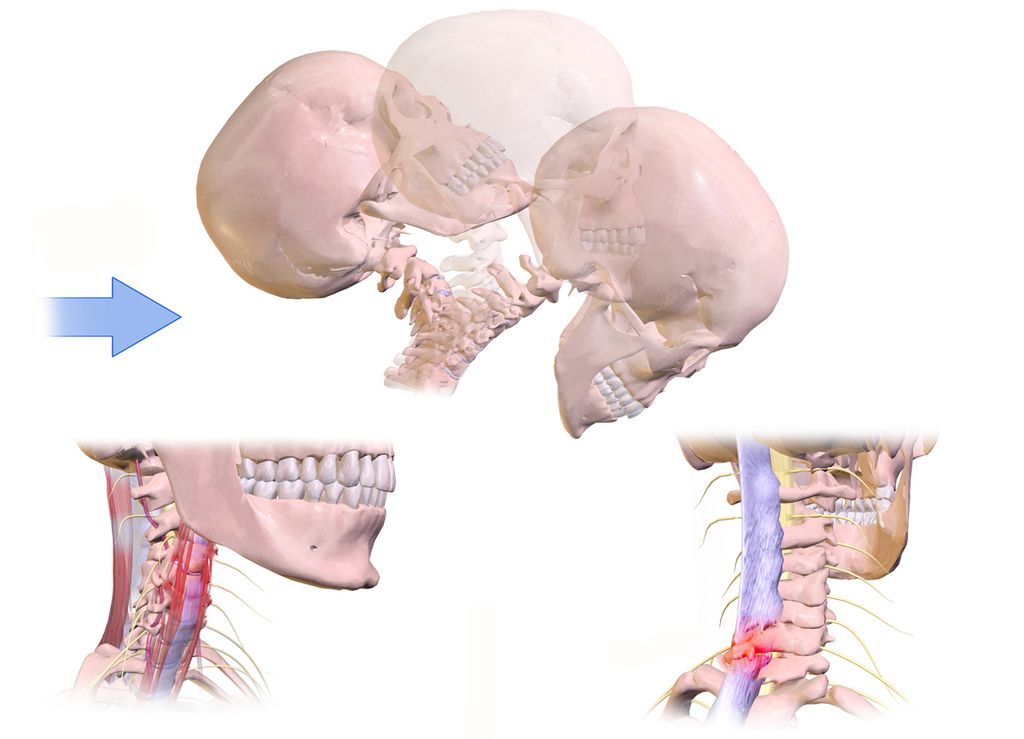 Whiplash injury; image by Bruce Blaus, CC BY-SA 4.0, via Wikimedia Commons.

About Mark Scott
With a law degree under his belt, Mark Scott understood very early that law communication was a relatively neglected area. He decided to help people by “translating” the language and offering information and advice in a clear, useful, and actionable manner. For this reason, instead of finding him in court, you will most likely find his name online, where he is very active and thriving as a legal columnist. His part of making the world a better place is to make the law a less convoluted maze. He aims to make it easier for people to understand when and how to seek legal counsel, how to proceed in a significant number of legal matters, and to find the proper resources so they can stand up for their rights.