High-Potency Marijuana Leads to Addiction According to New Study
High-Potency Marijuana Leads to Addiction According to New Study
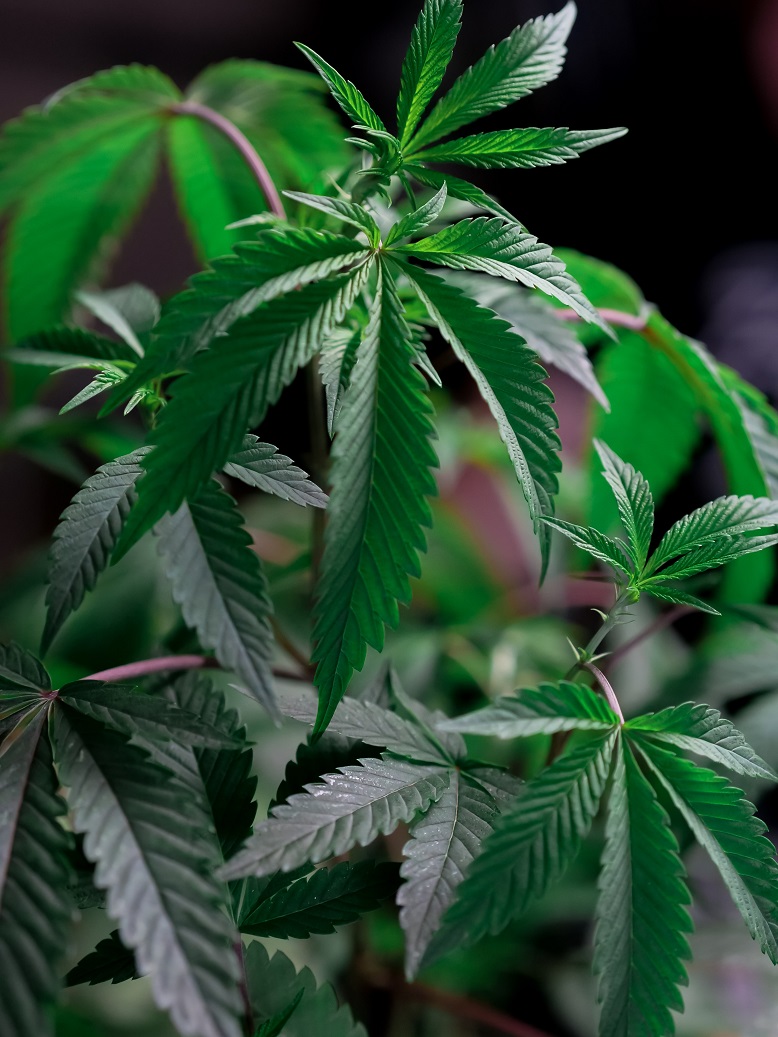
According to a 2020 study from the University of Bath, found high-potency marijuana is on the rise, and those increased levels of THC could be leading to a worldwide uptick in marijuana addiction. The study found that THC concentrations in the tops of female marijuana plants have increased by an average of 2.7 milligrams per year. Another study found that THC levels in cannabis resin increased by 5.7 milligrams per year between 1975 and 2017.THC stands for tetrahydrocannabinol. That’s the primary psychoactive component in marijuana. It’s the element that is responsible for making a person feel “high.” While low levels of THC generally don’t lead to addiction, it now appears that high levels can have an addictive effect.The University of Bath study said that marijuana with high levels of THC can lead to a four-fold increase in the chances of becoming addicted. This seems to be backed up by other studies.
 Photo by Kindel Media from Pexels
Sources:
Highly potent weed creating marijuana addicts worldwide, study saysCannabis (Marijuana) and Cannabinoids: What You Need To KnowCDC: Marijuana Data and Statistics
About Sara E. Teller
Sara is a credited freelance writer, editor, contributor, and essayist, as well as a novelist and poet with nearly twenty years of experience. A seasoned publishing professional, she's worked for newspapers, magazines and book publishers in content digitization, editorial, acquisitions and intellectual property. Sara has been an invited speaker at a Careers in Publishing & Authorship event at Michigan State University and a Reading and Writing Instructor at Sylvan Learning Center. She has an MBA degree with a concentration in Marketing and an MA in Clinical Mental Health Counseling, graduating with a 4.2/4.0 GPA. She is also a member of Chi Sigma Iota and a 2020 recipient of the Donald D. Davis scholarship recognizing social responsibility. Sara is certified in children's book writing, HTML coding and social media marketing. Her fifth book, PTSD: Healing from the Inside Out, was released in September 2019 and is available on Amazon. You can find her others books there, too, including Narcissistic Abuse: A Survival Guide, released in December 2017.