
Hidden Car Accident Injuries: All You Need to Know

Hidden Car Accident Injuries: All You Need to Know
Most of us breathe a sigh of relief if we don’t have to rush to the hospital after a traffic collision, but we could still be severely injured and not even know it. Some car accident injury symptoms don’t fully develop for hours, days, and even weeks, which can postpone life-saving treatment in some cases.Why Do Some Car Accident Injuries Remain Hidden? Some car accident injuries remain hidden immediately after a car accident due to the sudden surge of adrenaline in the body designed to protect you from trauma and help you survive a life-threatening situation.Also, this extreme self-preservation response is often accompanied by a release of the “feel-good hormones,” aka endorphins, which paired with the adrenaline rush will mask any pain and other injury symptoms shortly after the crash. Hiding your injury symptoms is your body’s way of ensuring your survival in those critical moments.Types of Hidden Injuries after a Car Crash Here are the most common types of injuries with delayed-onset symptoms that you may experience after a car crash.Soft Tissue Injuries Soft tissue injuries are the most common type of hidden injuries after a car crash. These injuries, which include strains, sprains, bruising, and damage to muscles and ligaments, usually take hours or days for symptoms to fully manifest. This is why soreness after an accident may appear a few days after the incident.WhiplashAccording to Mayo Clinic researchers, most spinal cord injuries are caused by car accidents, which is why medics will often want to know if you were involved in one if you develop persistent back or neck pain. The chief cause of neck and back pain after a traffic collision is whiplash, or the abrupt and violent back-and-forth motion of the body when your car gets rear-ended or makes an abrupt stop.Whiplash symptoms often take days if not weeks to show up, but neck injuries need immediate medical attention because, just like brain trauma, they might prove fatal. Other injuries associated with whiplash that require immediate medical attention are cervical dislocations and serious disk injuries.Concussions/TBIs Concussions, also known as mild traumatic brain injuries (mTBIs) can easily fly under the radar. Some concussion symptoms take days to weeks to show up. Moderate to severe TBIs rarely go unnoticed but they kill around 50,000 and disable over 80,000 people every year.
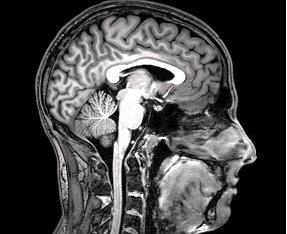 An FMRI brain scan. Image via Wikimedia Commons/user:DrOONeil. (CCA-BY-3.0).
· Cracking sound when the bone breaks.
· Pain, swelling, tenderness, and bruising around the affected area
· The affected area may look deformed
· In extreme cases, the broken bone may stick out through the skin
Spinal injuries Spinal cord injuries can go unnoticed up to eight days after the car crash but if left untreated, they may lead to long-term disability, such as partial or total paralysis. A serious spinal injury may also lead to death, so immediate medical attention is required. Look for subtle symptoms such as tingling and numbness, loss of sensitivity, coordination and movement issues, and general weakness.To Wrap It Up There are no two identical car accidents or two identical bodily reactions to the shock and trauma of a car crash. Some injuries don’t display symptoms for days or even weeks which can delay much-needed medical intervention and cause serious issues further down the road with insurance companies.Unless you have a skilled personal injury attorney, like John Foy & Associates, who has dedicated his or her career to helping car accident victims get back on their feet, it would be incredibly hard to prove to an insurer that the new symptoms and injuries are tied to the same accident.That is why even if you don’t feel any pain or other injury symptoms after a crash, seek immediate medical attention to get all potential injuries assessed.
About Samantha Alvord
Samantha Alvord is a legal expert and a passionate writer who works tirelessly to inform people about the field of personal injury, her area of specialty. She has a talent for making complex legal concepts accessible to the public. It is Samantha’s goal to present a clear and structured piece to the reader, which can easily be used as a guide to solving legal matters.