Ginkgo Biloba Not Found in Dietary Products, According to Agency
Ginkgo Biloba Not Found in Dietary Products, According to Agency
In its report released last November, the Government Accountability Office (GAO) said two of three dietary products claiming to ward off memory loss were mislabeled but wouldn’t name which ones or the drug manufacturers. The federal agency said a testing lab found that one of the products did not contain any of the ginkgo biloba it had on its packaging, and the second had less of the substance than the label indicated. In both cases, the GAO reported, the products contained unknown substitute ingredients used instead of ginkgo biloba. The third offender, a fish oil supplement, was found to exceed the ingredient amounts stated on the label.What’s more, a federally funded study in 2009 found that despite claims of dietary supplements infused with ginkgo biloba increasing mental awareness and fighting against memory loss, it does neither. The GAO said it referred its findings on the two ginkgo biloba products to the U.S. Food and Drug Administration (FDA) “for review and a possible investigation.” It said, “the safety of the [mystery] product is unknown.”“Consumers should be informed so that they know that they’re being defrauded,” said Laura MacCleery, policy director for the Center for Science in the Public Interest, a nonprofit watchdog group. The ginkgo biloba products were chosen because of their popularity and the reputation of the retailers stocking them. She added, “This is a missed opportunity because the GAO could have told consumers what it found.”
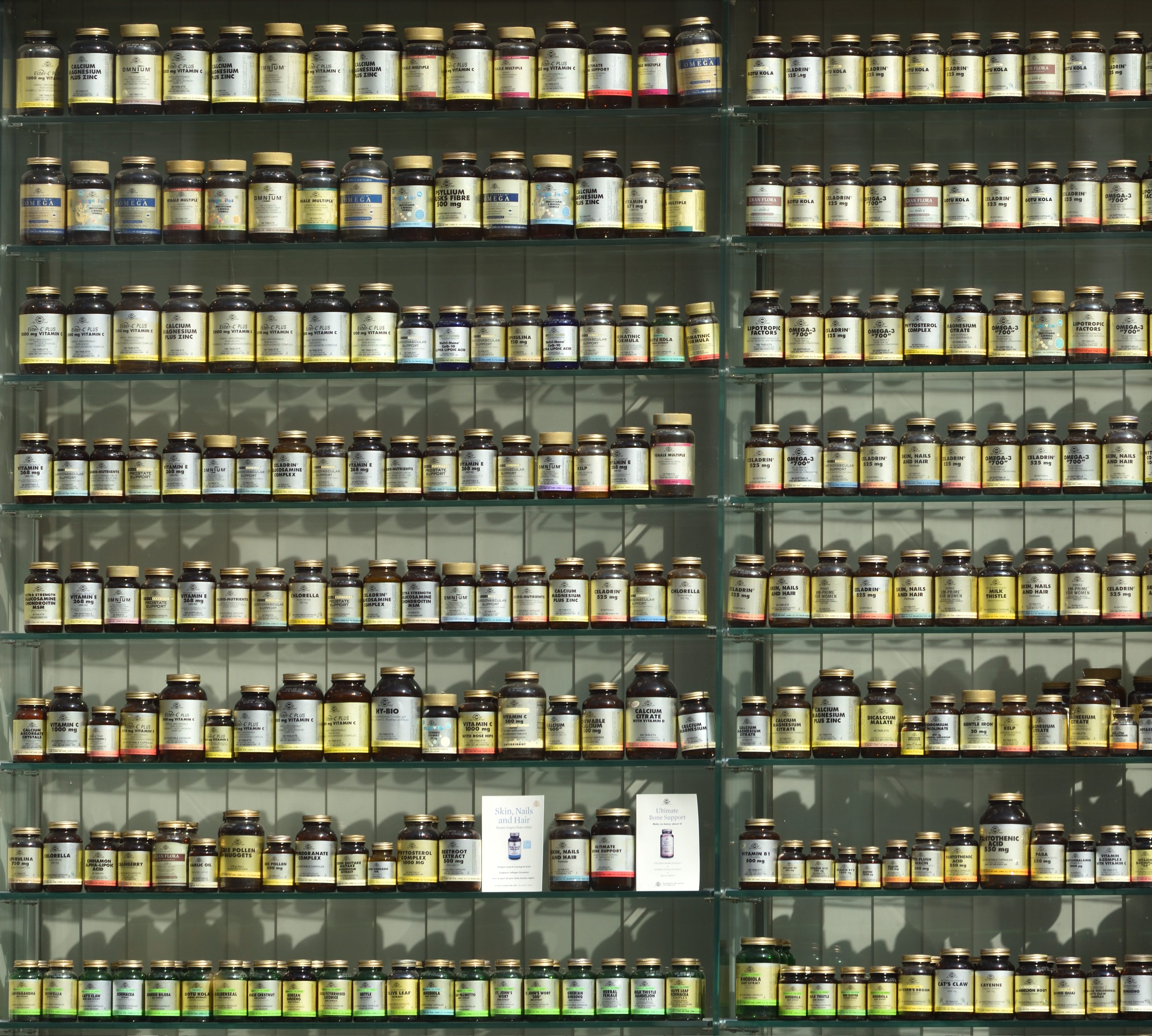
 Photo by Ian Dooley on Unsplash
Sources:
Feds Find Memory Boosters Were Falsely Labeled But Refuse to Say Which OnesMEMORY SUPPLEMENTS: Results of Testing for Selected Supplements
About Sara E. Teller
Sara is a credited freelance writer, editor, contributor, and essayist, as well as a novelist and poet with nearly twenty years of experience. A seasoned publishing professional, she's worked for newspapers, magazines and book publishers in content digitization, editorial, acquisitions and intellectual property. Sara has been an invited speaker at a Careers in Publishing & Authorship event at Michigan State University and a Reading and Writing Instructor at Sylvan Learning Center. She has an MBA degree with a concentration in Marketing and an MA in Clinical Mental Health Counseling, graduating with a 4.2/4.0 GPA. She is also a member of Chi Sigma Iota and a 2020 recipient of the Donald D. Davis scholarship recognizing social responsibility. Sara is certified in children's book writing, HTML coding and social media marketing. Her fifth book, PTSD: Healing from the Inside Out, was released in September 2019 and is available on Amazon. You can find her others books there, too, including Narcissistic Abuse: A Survival Guide, released in December 2017.