
Gardening Improves Mental, Physical Health & Well-being, Studies Show

Gardening Improves Mental, Physical Health & Well-being, Studies Show
A new study published in the Journal of Environmental Psychology has found that gardening can have a significant positive impact on both physical and mental health. The study surveyed over 1,000 individuals and discovered that those who gardened regularly had a dramatically lower risk of developing cancer, improved mental health, and an increased sense of community. The study also found that gardening provides a sense of accomplishment and satisfaction, reduces stress levels, and promotes relaxation. It can improve physical fitness through regular exercises, such as digging, planting, and watering, and in general, gardening can be a simple and effective way to improve overall health and well-being.The study specifically found that those who regularly engaged in gardening had a “30% lower risk of developing cancer” when compared to individuals who did not. The researchers believe this may be due to increased exposure to sunlight that gardening provides, which helps the body produce vitamin D, a nutrient linked to cancer prevention. As regular physical activity has been shown to protect against cancer, the physical activity associated with gardening, such as digging, planting, and watering, may also contribute to lower cancer risk.
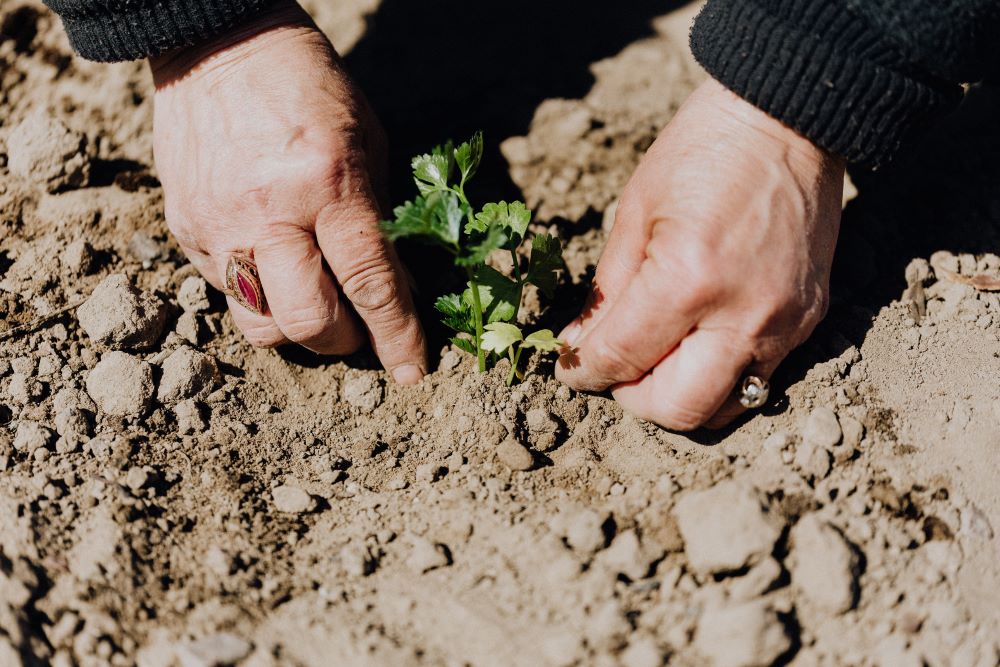 Photo by Karolina Grabowska from Pexels
Sources:
Gardening Could Help Reduce Cancer Risk, Boost Mental Health, and Bring Communities TogetherThe Healing Power of GardensCommunity Gardening: A Parsimonious Path to Individual, Community, and Environmental ResilienceGardening: An Occupation for Recovery and WellnessThe Concept of Gardening as Therapy is Finally Taking Off
About Sara E. Teller
Sara is a credited freelance writer, editor, contributor, and essayist, as well as a novelist and poet with nearly twenty years of experience. A seasoned publishing professional, she's worked for newspapers, magazines and book publishers in content digitization, editorial, acquisitions and intellectual property. Sara has been an invited speaker at a Careers in Publishing & Authorship event at Michigan State University and a Reading and Writing Instructor at Sylvan Learning Center. She has an MBA degree with a concentration in Marketing and an MA in Clinical Mental Health Counseling, graduating with a 4.2/4.0 GPA. She is also a member of Chi Sigma Iota and a 2020 recipient of the Donald D. Davis scholarship recognizing social responsibility. Sara is certified in children's book writing, HTML coding and social media marketing. Her fifth book, PTSD: Healing from the Inside Out, was released in September 2019 and is available on Amazon. You can find her others books there, too, including Narcissistic Abuse: A Survival Guide, released in December 2017.