
Filing a Homeowner's Insurance Claim Explained

Filing a Homeowner's Insurance Claim Explained
Did you know that most standard homeowner's insurance policies cover your house and its contents to a pre-determined monetary value? Even if you don't currently have the funds to rebuild your home, these policies will also reimburse you for the cost of rebuilding it.Standard home insurance policies offer this type of coverage. Therefore, you can rest easy knowing that if something catastrophic happens to your house, you should be covered.What Is Covered by a Homeowners Insurance Policy?The standard homeowners' insurance policy covers the physical structure of the house, the foundation of the house, and other structures on the premises, such as detached garages. It also covers the personal property kept inside the house, such as furniture, appliances, and electronics.The insurance policy may also cover the landscaping cost and other items that add value to the property. Standard homeowners insurance policies cover the loss of use of your property and the loss of your property.The loss of use of your property covers the cost of living somewhere else while your home is being repaired or rebuilt. The loss of your property covers the cost of replacing your damaged or lost items.Homeowners' insurance policies also cover certain living expenses, such as hotel bills, meals, and childcare, if you have to vacate your home because of a covered loss.Basics of a Homeowners Insurance ClaimIf a covered loss occurs and you need to file a claim, you should find a homeowner insurance lawyer and make a few crucial decisions together. The first step in the process is to identify the type of loss. If your policy covers a loss, you will be able to file a claim. If the loss is not covered, you must cover the expenses yourself.The second step is to decide how much money you want to be paid for the loss. Some losses have specific dollar amounts, such as the cost of replacing stolen items. Other losses are more challenging to quantify. In this case, you will need to decide on a fair amount.Types of Disasters Covered by Standard PoliciesA standard homeowners insurance policy can cover both common and uncommon disasters and events. Common disasters and events covered by a standard homeowners insurance policy include:
Fires
Floods
Earthquakes
Tornadoes
Hurricanes
Vandalism
Break-ins
Accidents caused by animals
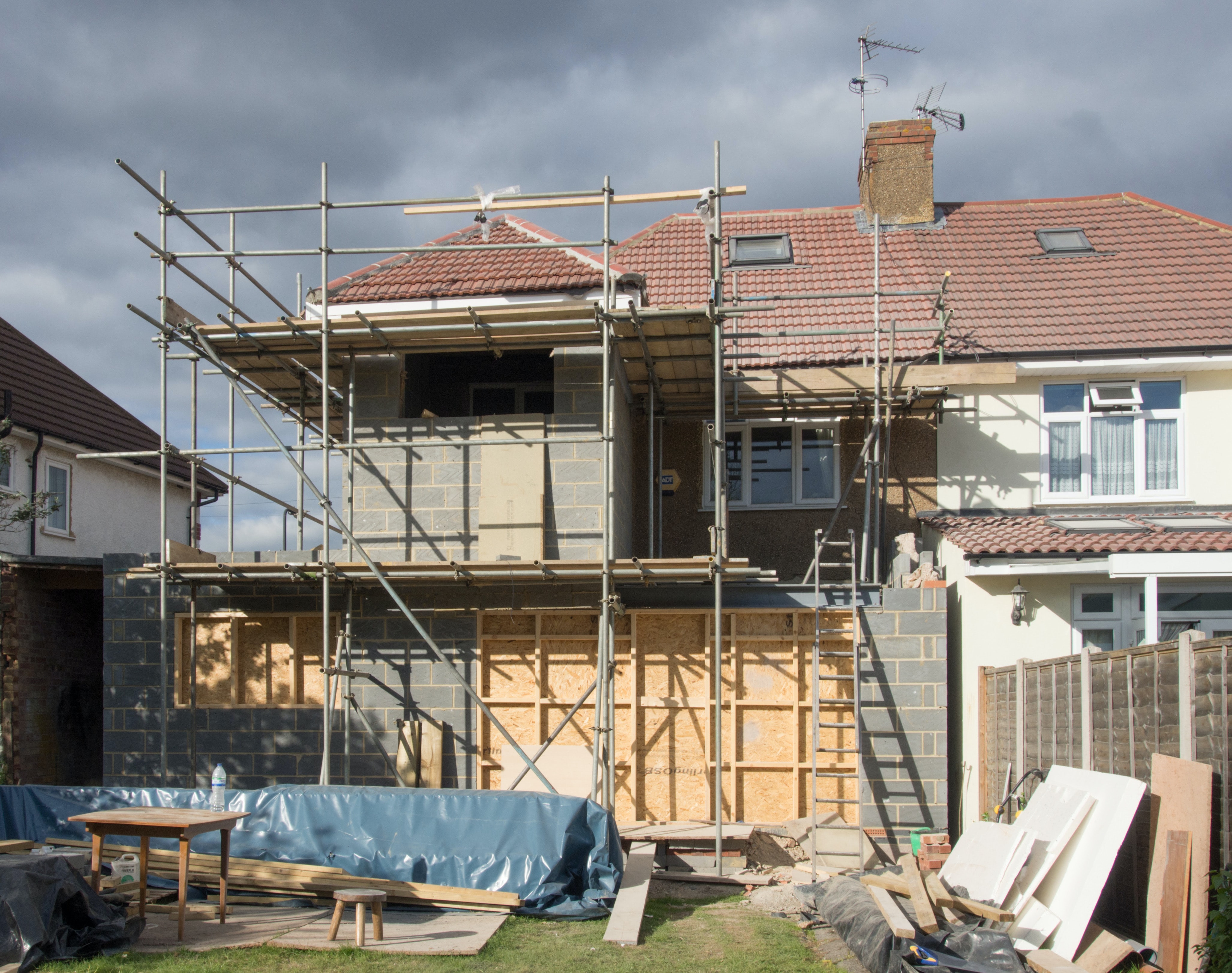 Scaffolding in front of home; image by Brett Jordan, Unsplash.com.
About Mark Scott
With a law degree under his belt, Mark Scott understood very early that law communication was a relatively neglected area. He decided to help people by “translating” the language and offering information and advice in a clear, useful, and actionable manner. For this reason, instead of finding him in court, you will most likely find his name online, where he is very active and thriving as a legal columnist. His part of making the world a better place is to make the law a less convoluted maze. He aims to make it easier for people to understand when and how to seek legal counsel, how to proceed in a significant number of legal matters, and to find the proper resources so they can stand up for their rights.