
Federal Court Orders NYC to Install Thousands of Accessible Crosswalk Signals
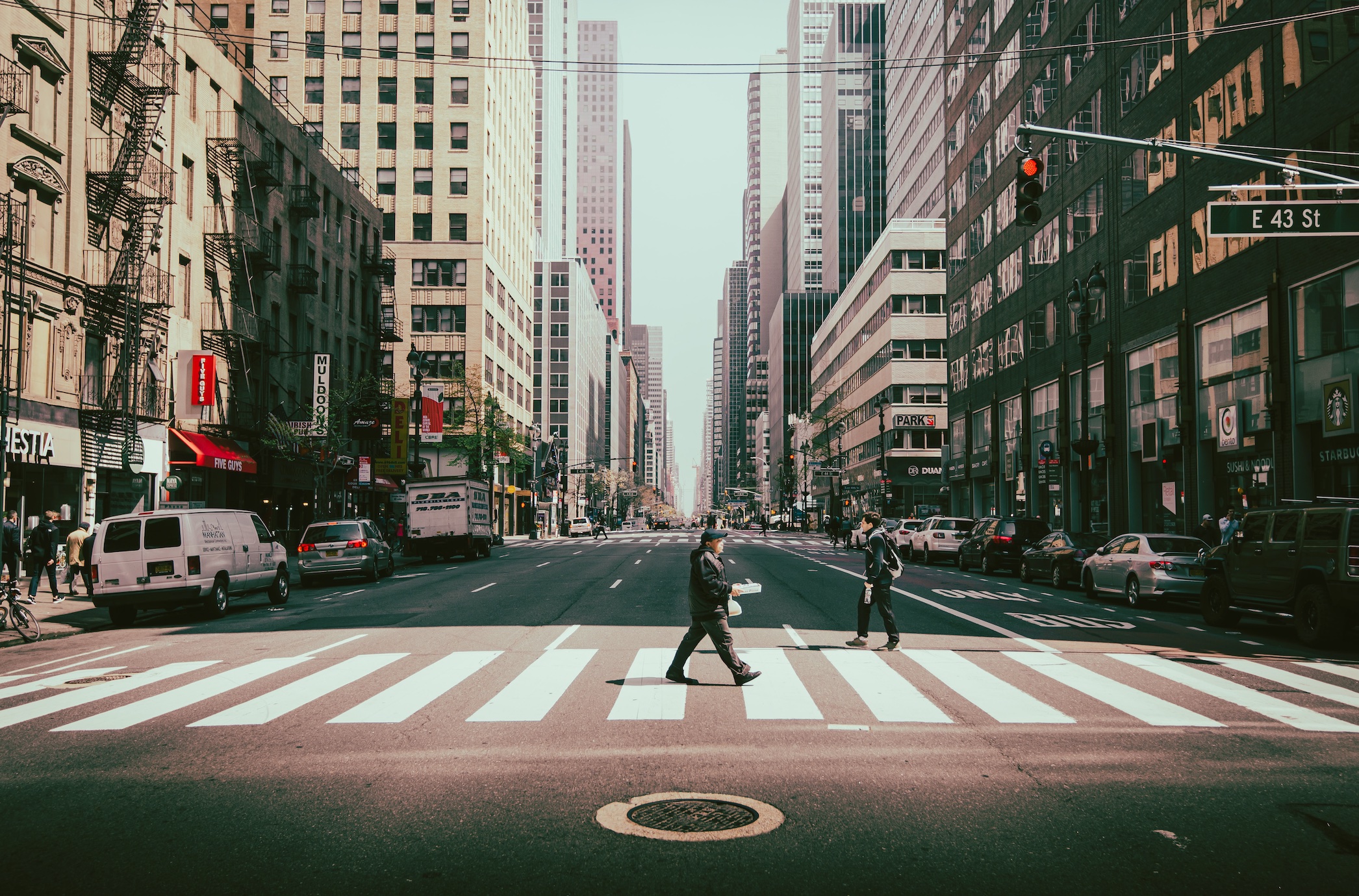
Federal Court Orders NYC to Install Thousands of Accessible Crosswalk Signals
In a first-of-its kind decision that will remake the streetscape of New York City and improve safety and accessibility for all New Yorkers, a federal court recently ruled that New York City must install accessible pedestrian signals (APS) at 10,000 intersections over the next 10 years, ultimately equip all signalized intersections with APS in the next 15 years, and prioritize installations where they are most needed. APS are push-button devices attached to crosswalks that convey visual crossing information in audible and vibro-tactile formats accessible to blind, low vision, and Deafblind pedestrians. This decision follows a ruling last year that the City of New York’s decades-long practice of failing to install APS violates the civil rights of people with disabilities. Read the decision here.New York City has over 13,200 signalized intersections with signals for sighted pedestrians that convey critical safety information: WALK or DON’T WALK. Yet today, only about 749 of those 13,430 intersections—around 5%—have APS that convey this information to blind people. Blind and low vision pedestrians are put in danger of crossing against the light, in the path of cars, every time they cross a street without APS. Having APS installed at all of these intersections means that Plaintiffs will no longer have to contend with being grabbed by well-meaning strangers attempting to help them across the street, or be forced to significantly prolong their travel by waiting several lights to make sure they are crossing with others. Plaintiffs who for years have resorted to taking circuitous routes to avoid particularly unsafe intersections, or who have avoided walking altogether, will have newfound security accessing a fundamental part of New York civic life: walking city streets.Disability Rights Advocates (DRA) filed this class action lawsuit, American Council of the Blind of New York, et al. v. New York City, in June 2018 because this unlawful system denies blind and low vision pedestrians their independence to navigate city streets safely, preventing them from visiting friends and family; getting to work, school, or home; or shopping and doing business. On July 22, 2019, the Court certified a class of blind and low vision pedestrians harmed by these practices. On October 20, 2020, the Court ruled that the current level of inaccessibility in New York City’s streets violates the rights of people with vision disabilities. The Court ordered the parties to propose plans for remedying this discrimination through APS installation, and held three days of hearings in October and November 2021.The Court’s order operates in two phases. In Phase One, the city must install APS at 9,000 intersections (for a total of 10,000 intersections) over the next ten years. This will ramp up installations from 400 and 500 intersections in the first two years, respectively, to 700 intersections in the third year, to 900 in the fourth and fifth years, with the final five years surpassing that total to complete 10,000 by year ten. In Phase Two, the city must install APS at all remaining intersections by 2036. Defendants had instead argued for a remedial plan of only 500 intersections per year, over the next 30 years.Additionally, the city must install APS pursuant to requests from people in the blind and low vision community, and prioritize those intersections that are most dangerous for blind pedestrians. Finally, the Court has ordered the appointment of an Independent Monitor to oversee the remedy and report to the Court on its progress. The Parties have 45 days to confer and propose a remedial order consistent with this decision.“We are delighted that the Court has recognized the need for blind pedestrians to have the same access to safe crossing information available to sighted pedestrians,” said Lori Scharff of the American Council of the Blind of New York, plaintiff in this case. “ACBNY has tirelessly advocated for decades to fix New York City’s widespread inaccessibility to blind and Deafblind pedestrians, and now it’s finally going to happen in our lifetimes.”
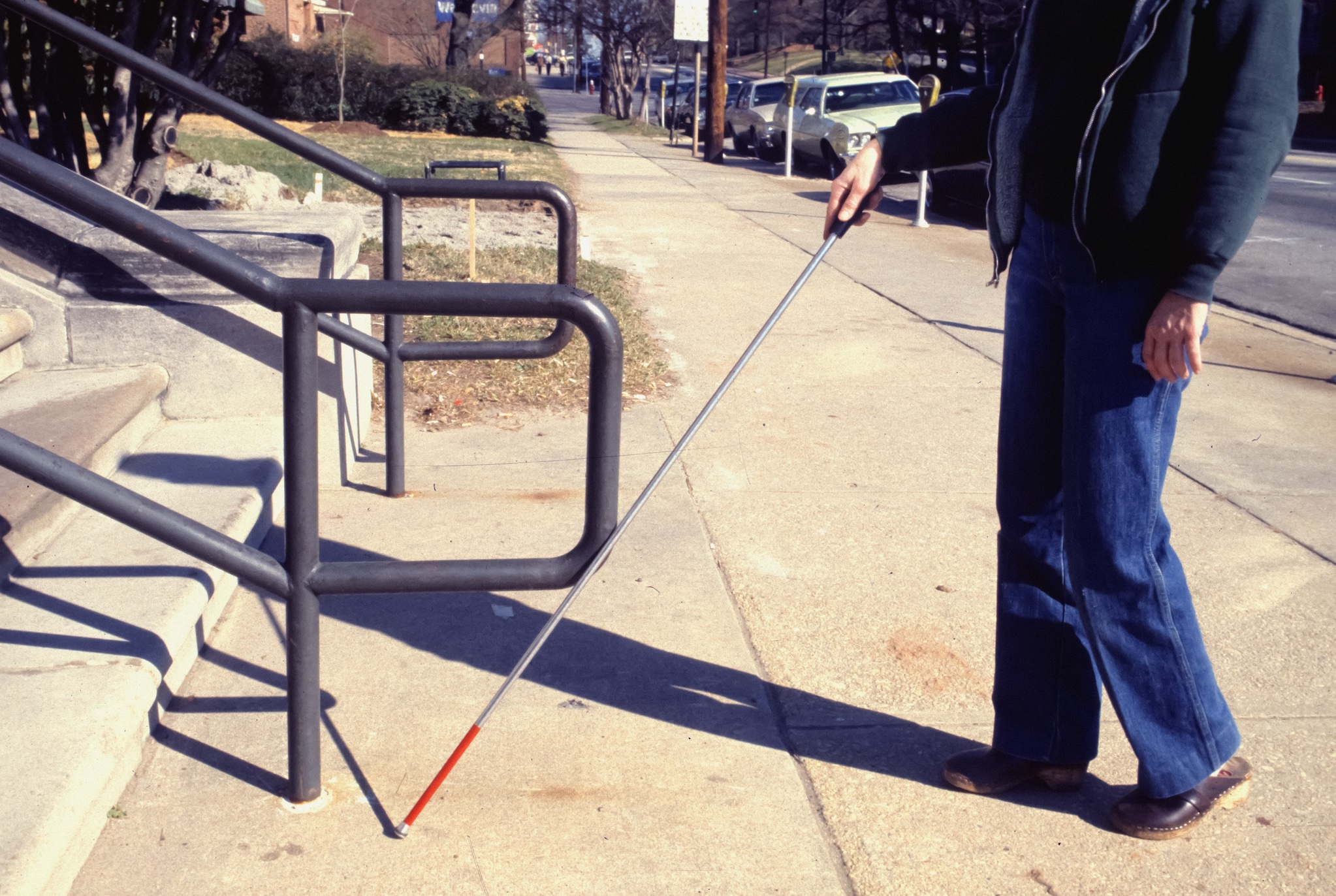 Visually impaired man using a walking stick; image by CDC, via Unsplash.com.
About Press Release
This post is an authorized copy of a press release and was not written by LegalReader.