FDA Says Cell Phone Use Poses Little Risk for Cancer
FDA Says Cell Phone Use Poses Little Risk for Cancer
Government researchers recently concluded that radiation from cell phone use poses little, if any, risk of cancer in humans. This is despite lab reports that showed male rats had a higher rate of malignant schwannomas when exposed to a high-level cell phone radiation when compared with those not exposed to radiofrequency radiation. Female rats did not react in the same way as their male counterparts. The exercises exposed the rats to very high emissions not comparable to those found in typical phone usage.“The typical cell phone call has radiofrequency radiation emissions that are very, very, very much lower than what we studied,” John Bucher, Ph.D., senior scientist at the National Toxicology Program (NTP), said of the study results. “We studied the maximum that one could achieve during a call in a poorer-connection situation. We studied it over 9 hours a day for over 2 years. This is a situation, obviously, that people are not going to be encountering in utilizing cell phones. It’s a situation that allows us to find a potential biological event if one is going to occur…I think the message is that typical cell phone use is not going to be directly related to the kind of exposure we used in these studies.”
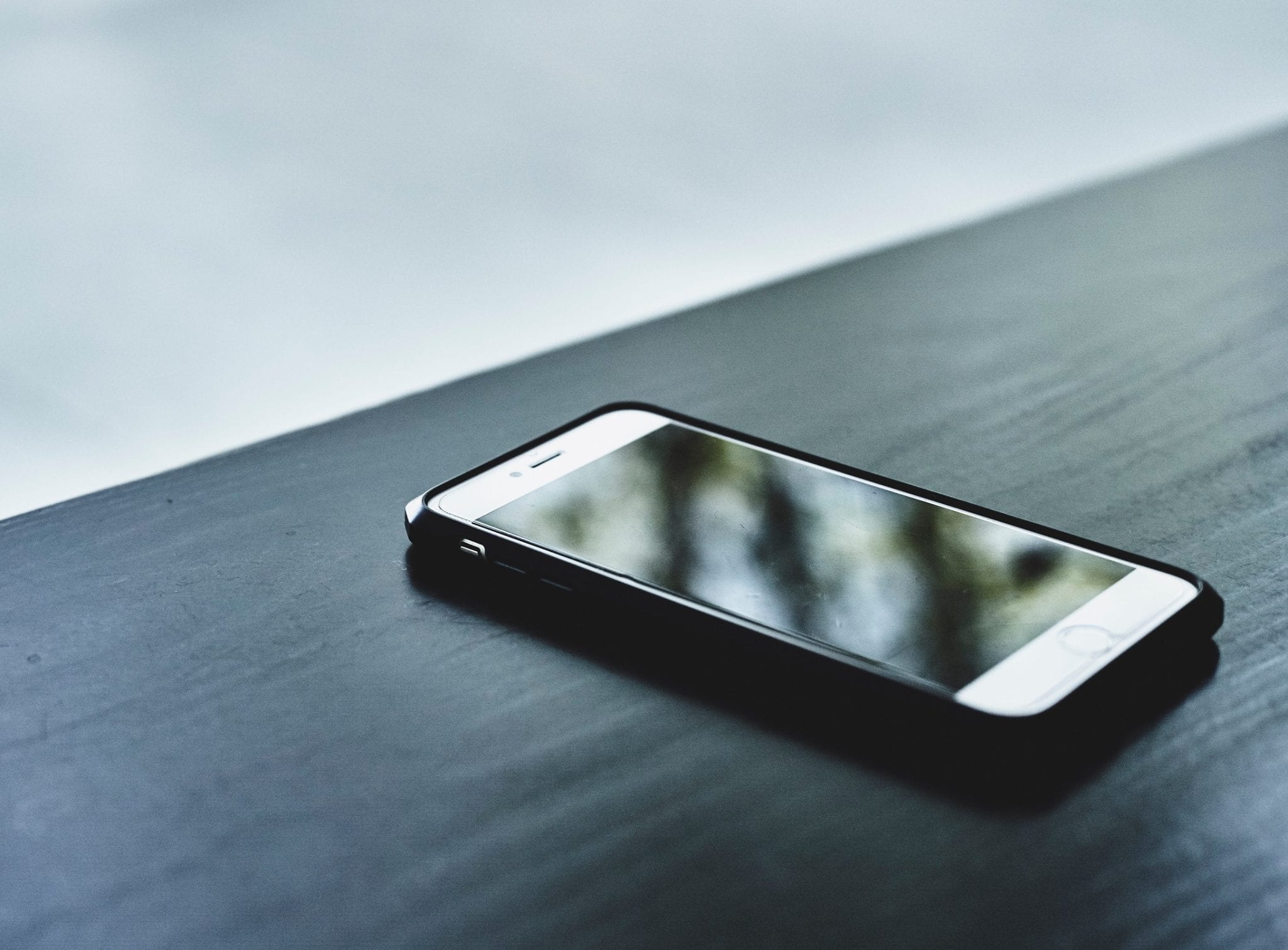
 Photo by Lucas Vasques on Unsplash
Sources:
Cell Phone Radiation Unlikely to Cause CancerCancer Risk From Cellphone Radiation Is Small, Studies Show
About Sara E. Teller
Sara is a credited freelance writer, editor, contributor, and essayist, as well as a novelist and poet with nearly twenty years of experience. A seasoned publishing professional, she's worked for newspapers, magazines and book publishers in content digitization, editorial, acquisitions and intellectual property. Sara has been an invited speaker at a Careers in Publishing & Authorship event at Michigan State University and a Reading and Writing Instructor at Sylvan Learning Center. She has an MBA degree with a concentration in Marketing and an MA in Clinical Mental Health Counseling, graduating with a 4.2/4.0 GPA. She is also a member of Chi Sigma Iota and a 2020 recipient of the Donald D. Davis scholarship recognizing social responsibility. Sara is certified in children's book writing, HTML coding and social media marketing. Her fifth book, PTSD: Healing from the Inside Out, was released in September 2019 and is available on Amazon. You can find her others books there, too, including Narcissistic Abuse: A Survival Guide, released in December 2017.